


Understanding the 'Other' Season
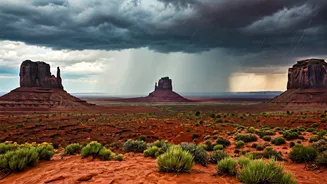
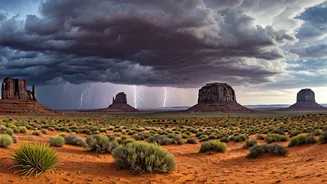
When most people think of seasons in places like Arizona, New Mexico, and Utah, they picture a long, hot summer. But there’s another critical season savvy travelers must understand: the North American Monsoon. Typically running from mid-June through September,
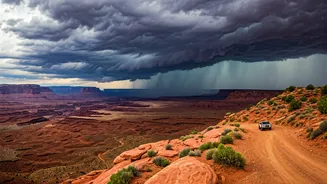
this weather pattern pulls moist, tropical air from the south, resulting in dramatic, often localized thunderstorms. These aren't gentle summer showers. They can dump an immense amount of rain in a very short period. While this rainfall is vital for the desert ecosystem, it creates a significant hazard for hikers, drivers, and campers who may be unprepared for the sudden transformation of the landscape.
A More Intense and Unpredictable Threat
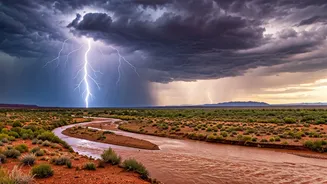
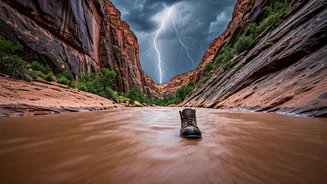
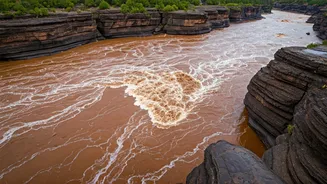
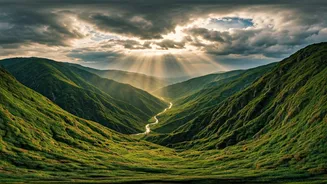
While monsoons are a historical pattern, meteorologists and climate scientists have noted that the nature of these storms is changing. Warmer air holds more moisture, potentially leading to more intense rainfall events. A landscape baked hard by drought can't absorb this water quickly. The result is rapid, powerful runoff that funnels into the very features that draw tourists: slot canyons, dry riverbeds (arroyos or washes), and low-lying roads. A beautiful, sun-drenched canyon can become a deadly torrent of water and debris in minutes, with the storm that caused it happening miles away and out of sight. This increased intensity is why simply 'checking the weather' is no longer enough; travelers need a more sophisticated safety mindset.
Before You Go: The Pre-Trip Checklist
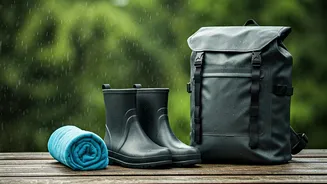
Adding flood awareness to your planning doesn’t have to be complicated. Start by checking the typical monsoon patterns for your specific destination and travel dates. When booking tours or planning hikes, especially in slot canyons, ask guides about their safety protocols for flash floods. Before you even pack, download a reliable weather app that provides National Weather Service (NWS) alerts for your destination county. Familiarize yourself with the key terms: a 'Flash Flood Watch' means conditions are favorable for flooding, and it’s time to be alert. A 'Flash Flood Warning' means flooding is imminent or already occurring, and you need to take immediate action to get to higher ground. Pack a 'go-bag' for your car with water, snacks, a first-aid kit, and a portable charger, just in case you get stranded by a washed-out road.
On the Ground: Staying Situationally Aware
Once you’ve arrived, your most important tool is your own observation. Check the forecast every single morning before heading out. If you're hiking, always tell someone your exact route and your expected return time. Look for signs of potential danger: are clouds building in the distance? Is the wind picking up? Is the water in a normally clear stream turning muddy or starting to carry debris? These are all indicators that a surge of water could be heading your way. Never camp in a dry wash, no matter how appealing it looks. Always have an escape route to high ground planned. And crucially, if you're in a remote area with no cell service, you are your own first line of defense. Trust your instincts; if the weather looks threatening, postpone that hike or find a safer activity.
The Golden Rule: Turn Around, Don't Drown
This phrase, popularized by the NWS, is the single most important piece of advice for dealing with floods. It applies to both hikers and drivers. Never attempt to cross a flooded wash or roadway. It's impossible to tell how deep the water is or how fast it's moving. It takes just six inches of fast-moving water to knock over an adult, and as little as 12 inches to sweep away a small car. The roadbed beneath the water could already be washed out. The deceptive power of floodwater is immense. The decision to wait a few hours for water to recede—or to turn back and find an entirely different, safer route—is not an inconvenience. It’s a choice that can, and regularly does, save lives.