



The 'Why' Behind the Trend
First, let's address why this is suddenly a hot topic. It's not just your imagination; weather patterns are becoming more volatile. A destination that was perfectly dry last year might face unexpected deluges this year. Regions not traditionally known
for flooding are experiencing it for the first time. This unpredictability means the old travel playbook is outdated. Proactive planning is no longer optional. Travelers are realizing that a few minutes of preparation can be the difference between a minor inconvenience and a genuine emergency, whether you're on a cross-country road trip or visiting a coastal city.
Research Beyond the Restaurants
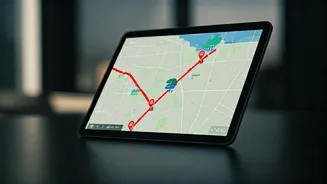
When planning a trip, most of us research the best sights and eateries. It's time to add weather-risk assessment to that list. Before you book, do a quick search for your destination's flood risk. Use tools like FEMA's Flood Map Service Center to get a general idea of low-lying areas. Look at the typical weather for your travel dates, but also check for any unusual long-range forecasts. If you're renting a car, ask about the local geography. Are you staying in a valley? Near a river that's prone to swelling? This isn't about being paranoid; it's about building a mental map of your surroundings.
Master Your Alerts and Apps
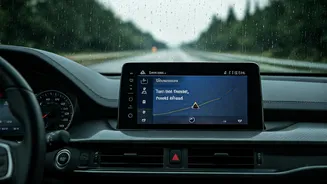
Your phone is your most powerful early-warning tool. Before you leave, make sure Wireless Emergency Alerts (WEA) are enabled on your device. These are the jarring, high-pitched alerts for severe weather or other emergencies sent by authorized government agencies. Additionally, download a reliable weather app that offers push notifications for lightning, heavy rain, and flash flood warnings in your specific location. Consider adding the FEMA app, which provides real-time alerts from the National Weather Service. Knowing about a threat 30 minutes before it arrives is a game-changer.
Live by 'Turn Around, Don't Drown'
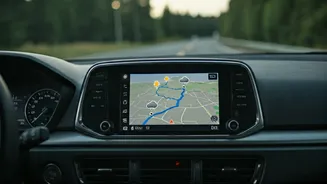
This phrase, coined by the National Weather Service, is the single most important piece of flood-safety advice. It’s tempting to think your SUV can handle a 'little' water on the road, but this is a fatal miscalculation. It takes only six inches of moving water to knock an adult off their feet, and just 12 inches to sweep away most cars. You cannot tell the depth of the water or the condition of the road beneath it. That submerged roadway could be washed out completely. The risk is never, ever worth it. Find an alternate route or wait for the water to recede.
Pack a Simple 'Go-Bag' For Your Car
Whether you’re driving your own car or a rental, having a basic emergency kit is crucial. You don't need a doomsday prepper's bunker, just a few essentials in case you get stuck. Think a portable phone charger or power bank, a first-aid kit, a few bottles of water, and some non-perishable snacks like protein bars. A flashlight with extra batteries and a multi-tool can also be invaluable. If you get stranded by a washed-out road, you'll be much safer and more comfortable waiting for help if you have these basics on hand.
Check Your Insurance Fine Print
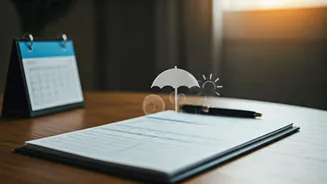
Before you travel, take five minutes to understand what your insurance does—and doesn't—cover. Most standard auto insurance policies with comprehensive coverage will cover flood damage, but it's wise to confirm. For bigger trips, look at your travel insurance policy. Are there clauses related to 'acts of God' or weather-related cancellations? Does your policy cover costs if you're delayed or need to evacuate? Knowing these details beforehand can save you major headaches and financial loss if your trip is disrupted.
Know the Post-Flood Dangers
The danger doesn't always end when the rain stops. Floodwater is often contaminated with sewage, chemicals, and bacteria, posing a significant health risk. Avoid contact with it whenever possible. If you must walk through it, clean and disinfect yourself as soon as you can. Also, be aware of hidden electrical hazards from downed power lines or submerged electrical systems. Treat all standing water as potentially dangerous and report downed lines to the authorities immediately.