


An Outpost Turned Adventure Hub
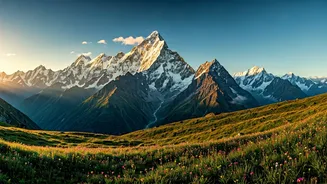
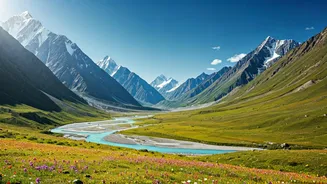
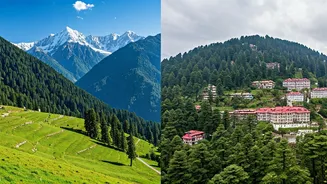
For generations, Manali was a quiet stop on an ancient trade route, a small town dwarfed by the Pir Panjal and Dhauladhar ranges of the western Himalayas. Its fragrant pine forests and apple orchards offered a peaceful escape. But over the past few decades,
that tranquility has been paired with a powerful undercurrent of energy. The town has transformed into a global magnet for thrill-seekers, backpackers, and anyone looking to trade serenity for heart-pounding excitement. Today, the streets of Manali and its more bohemian neighbor, Old Manali, are a kaleidoscope of cultures. You’re just as likely to see Israeli backpackers swapping stories over chai as you are to see Indian families gearing up for their first-ever rafting trip. This isn't just a destination; it's a basecamp. The town's entire economy, from its bustling guest houses to the countless gear shops lining the main roads, is built on the promise of the adventure that lies just beyond the town limits.
The Rush of the Beas River
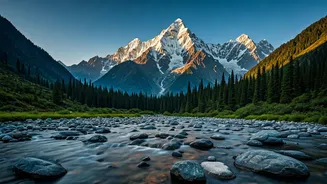
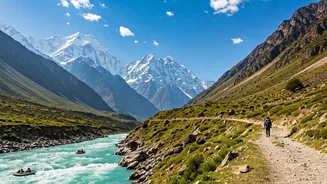
The primary artery of Manali’s adventure scene is the Beas River. Fed by Himalayan glaciers, its icy, turquoise water carves through the Kullu Valley, creating a natural playground for whitewater rafting. The main rafting season, typically from April to June and again from September to October, sees the river teeming with inflatable rafts navigating a series of Class II and III rapids. This isn’t just an activity; it's an accessible spectacle. For many American travelers, rafting might evoke images of the Colorado or Snake River, but the experience here is uniquely Himalayan. As you paddle through rapids with names like “Googley” and “The Wall,” you’re surrounded by towering peaks, terraced fields, and dense deodar cedar forests. The 9-mile stretch from Pirdi to Jhiri is the most popular, offering a perfect blend of exhilarating whitewater and moments of calm to soak in the staggering scenery. It’s an entry-level thrill that provides a taste of the region's raw power and keeps outfitters and riverside cafes humming with business for months on end.
Gateway to the Himalayan Sky
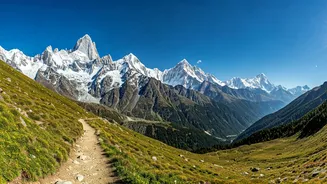
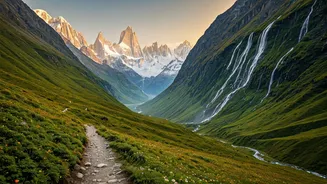
If rafting is Manali’s seasonal heartbeat, trekking is its soul. The town serves as the launching point for some of the most spectacular and diverse treks in the Indian Himalayas. The trails radiating from the Kullu Valley cater to every level of ambition and ability, which is key to its “fully bookable” status. For day-trippers, short hikes to places like Jogini Falls or the Lamadugh meadows offer stunning vistas without a massive commitment. But for serious trekkers, Manali is the gateway to legendary multi-day expeditions. The Hampta Pass trek, for instance, is a classic five-day journey that takes you from the lush green valley of Kullu to the stark, arid landscapes of Spiti. Others seek out the challenging Pin Parvati Pass or the trek to the glacial Beas Kund, the source of the very river that fuels the rafting industry. This vast network of trails ensures that from the spring thaw to the first snowfall of autumn, a steady stream of hikers is always coming or going, filling hostels, hiring guides, and sustaining the local mountain-guiding community.
The Adrenaline-Fueled Economy
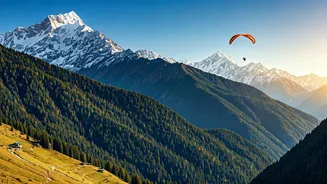
The headline's claim that Manali is “fully bookable” isn’t just hyperbole; it speaks to the powerful economic engine created by this adventure-focused tourism. Trekking and rafting aren't isolated activities; they are the twin pillars of a symbiotic industry. The trekking season fills the spring and autumn months, while the prime rafting season captures the early summer tourist rush. Combined with paragliding in the Solang Valley and the winter ski season, Manali has successfully created a near-perennial appeal. This steady influx of visitors supports a massive infrastructure of hotels, guesthouses, cafes, and transportation services. A hotel might be booked by a trekking group in May, a rafting party in June, and a family enjoying the autumn colors in October. The demand isn't just for a bed; it's for guides, porters, cooks, drivers, and gear rental shops. Adventure sports have transformed Manali from a seasonal hill station into a year-round economic powerhouse, proving that the call of the wild is a powerful and sustainable draw.