




The Pet-Safety Promise
Let’s address the most important question first. For pet owners, bringing a new plant home can feel like a gamble. So many popular houseplants—from lilies to philodendrons—can be toxic to cats and dogs. This is where the Boston Fern (*Nephrolepis exaltata*)
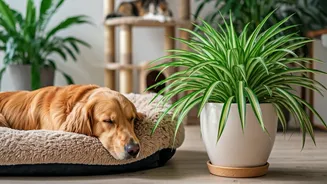
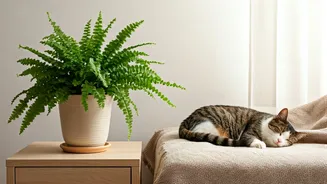
shines. According to the American Society for the Prevention of Cruelty to Animals (ASPCA), Boston Ferns are non-toxic to both cats and dogs. This means if your curious kitten decides to bat at a dangling frond or your puppy gives a leaf a tentative chew, you don’t have to panic. While it’s never a good idea to let your pets make a meal of your houseplants (it can still cause mild stomach upset), the Boston Fern’s non-toxic status provides invaluable peace of mind, freeing you up to enjoy its beauty without constant supervision.
Why It Creates That 'Jungle' Vibe
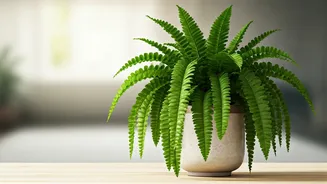
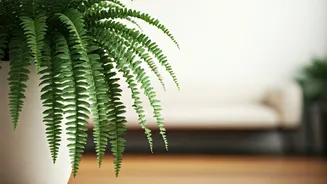
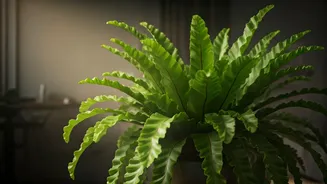
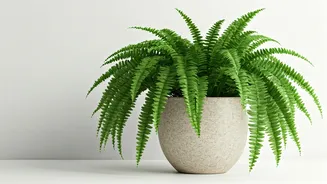
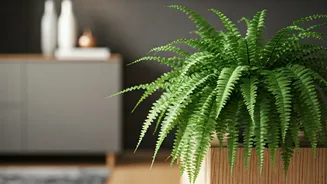
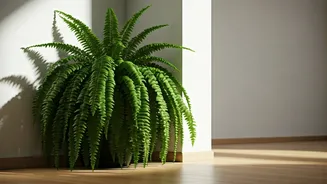
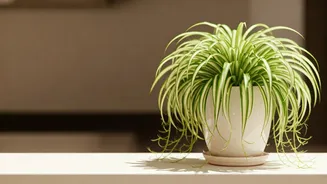
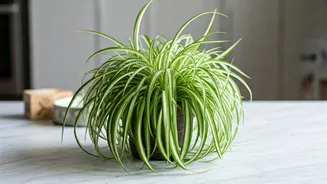
The headline isn’t just being dramatic; the Boston Fern is a master of atmosphere. Its long, arching fronds, covered in tiny, delicate leaflets, create a dense, layered canopy of green. Unlike spikier, more architectural plants, the fern’s soft, feathery texture fills a space with a sense of lushness and life. Placed in a hanging basket, its fronds will cascade downwards, creating a living curtain of green. Set on a plant stand in a forgotten corner, it transforms the dead space into a vibrant focal point. The sheer volume of foliage on a healthy fern gives the impression of wild, untamed nature, successfully bringing the feeling of a miniature, verdant jungle right into your living room.
Mastering the Basics: Light and Water
Boston Ferns have a reputation for being a bit fussy, but their needs are straightforward once you understand them. They are native to humid forests and swamps, so your goal is to mimic that environment. For light, think bright but indirect. A spot near an east-facing window that gets gentle morning sun is perfect. Direct, harsh afternoon sun will scorch their delicate fronds, leading to brown, crispy edges. When it comes to water, consistency is key. The soil should be kept consistently moist, like a wrung-out sponge, but never waterlogged. Don’t let it dry out completely between waterings. Check the soil every few days; if the top inch feels dry, it’s time for a drink. Using a pot with good drainage is essential to prevent root rot.
The Secret Ingredient: Humidity
If there’s one secret to a thriving Boston Fern, it’s humidity. Most modern homes, especially those with central air or heating, are far too dry for this plant’s liking. A lack of humidity is the number one cause of browning leaf tips and overall decline. Luckily, there are several easy ways to boost the moisture in the air around your fern. The simplest method is regular misting with a spray bottle every day or two. For a more passive solution, place the fern’s pot on a tray filled with pebbles and a little water. As the water evaporates, it will create a humid microclimate. Grouping it with other houseplants also helps, as plants release moisture through transpiration. Many owners find the most success by keeping their fern in a naturally humid room, like a bathroom with a window.
Styling Your Indoor Jungle
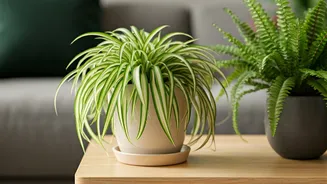
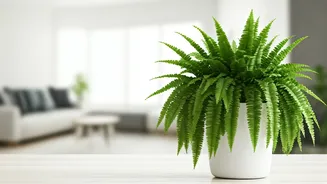
Now for the fun part. A healthy Boston Fern is a versatile design element. The classic placement is in a hanging macrame planter, allowing its fronds to drape beautifully and stay out of the main path of foot traffic (and curious pets). They are also stunning when placed on a pedestal or a tall plant stand, which elevates them to eye level and gives them the presence of a living sculpture. If you have an empty, lonely corner that gets decent light, placing a large, mature Boston Fern there can instantly make the room feel more complete and alive. For a layered, maximalist look, group a fern with other pet-safe plants of varying heights and textures, like a Spider Plant or a Calathea, to create a truly dynamic and jungle-like plant corner.