





The Rise of the Furry Plus-One
It’s not your imagination: pets are more integrated into our lives than ever. With nearly 70% of U.S. households owning a pet, the line between family member and animal companion has blurred. This 'pet humanization' trend means that for many, leaving
a dog or cat behind during the holidays feels like leaving a child. Compounding this emotional pull are practical concerns. The cost of professional boarding facilities can be astronomical during peak season, often adding hundreds of dollars to a holiday budget. Furthermore, many owners worry about the stress and anxiety their pets experience in unfamiliar kennel environments. The result is a simple calculation for millions of travelers: if the pet can't come, they might not either. This transforms the casual holiday invitation into a complex negotiation of logistics, emotions, and etiquette.
For Guests: How to Ask for Permission
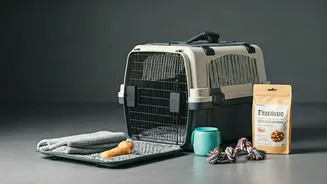
You see your Golden Retriever as a well-behaved angel, but your host might be picturing shredded furniture and mysterious stains. The key to successfully bringing your pet is to approach the conversation with empathy and preparation. First, ask early—ideally when you are first invited. A last-minute request puts your host in an awkward position. Frame it as a genuine question, not an assumption. Try something like, “We’re so excited for Thanksgiving! We're figuring out logistics for our dog, Cooper. We know it’s a big ask, but would you be open to him joining us? He’s fully house-trained and crate-trained.” Be ready to offer assurances. Mention that you will bring his crate, bed, food, and bowls, and that you’ll be 100% responsible for his care, including walks and cleanup. The more you demonstrate that you’ve considered your host’s perspective and are committed to preventing any inconvenience, the more likely you are to get a happy 'yes.'
For Guests: Gracefully Accepting 'No'
Sometimes, the answer will be no. And that has to be okay. Your host’s refusal is not a personal rejection of you or your beloved pet. There are countless legitimate reasons: severe allergies, a resident pet who doesn't play well with others, a home that simply isn’t pet-proof, or the simple desire for a pet-free environment. The most important thing you can do is accept their decision with grace. Do not push back, bargain, or try to induce guilt. A simple, “Thank you for considering it, we completely understand. We’ll figure out a great pet-sitter and can’t wait to see you!” preserves the relationship. This is the time to pivot to your backup plan. Research local pet-friendly hotels near your host’s home, look into trusted pet-sitting apps like Rover or Wag, or ask a reliable friend to house-sit. A 'no' on the pet front doesn’t have to derail your holiday spirit.
For Hosts: How to Set Boundaries
You love your friends, but you’re not so sure about their slobbery, 80-pound companion. It is entirely within your rights to say no. Your home, your rules. The key is to be clear, kind, and direct. Avoid ambiguity, which can create false hope and resentment. A polite, firm response works best. You can say, “We’d love to have you, but unfortunately, we can’t accommodate pets this time.” If you feel comfortable offering a brief, honest reason, you can. “My son’s allergies have been really bad,” or “Our cat gets very stressed around other animals.” But you don’t owe a detailed explanation. If you anticipate a request from a known pet-doting friend, you can even be proactive. When you extend the invitation, you might gently add, “We’re so looking forward to seeing you, though we know it’s a bummer, our house won’t be able to accommodate four-legged guests this year.”
For Hosts: Rules of Engagement for a 'Yes'
If you decide to open your home to a visiting pet, establishing clear expectations from the start will save everyone a headache. Before they arrive, have a brief conversation with your guest. Ask about the pet’s temperament, needs, and habits. Then, lay out your house rules. Be specific. Good topics to cover include: Are pets allowed on the furniture? Are any rooms off-limits? Where is the designated area for potty breaks, and who is responsible for cleanup? It's also wise to do a quick pet-proofing sweep of your own. Put away fragile items, secure trash cans, and make sure any houseplants are non-toxic to animals. By having this conversation upfront, you’re not being a difficult host; you’re being a responsible one, ensuring the visit is safe and comfortable for the pet, the owner, and yourself.