



The Rise of 'Scrappy Cooking'
Meet “scrappy cooking,” the buzzy term for a timeless practice: using every last bit of your ingredients. It’s the opposite of our modern, pre-packaged food culture that generates so much waste. This isn't about deprivation; it's about resourcefulness.
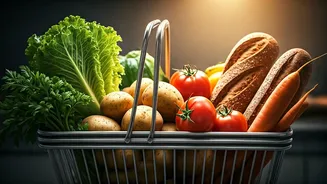
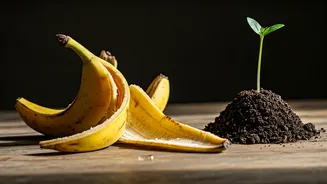
Think of it as a culinary philosophy that sees potential everywhere—from broccoli stalks and parmesan rinds to stale bread and carrot tops. By transforming what you might normally toss into delicious meal components, you’re not just being eco-friendly; you're directly cutting down on the amount of food you need to buy. It’s a win for your wallet and the planet, turning kitchen scraps into found money.
From Trash to Treasure: Vegetable Scraps
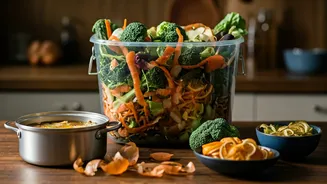
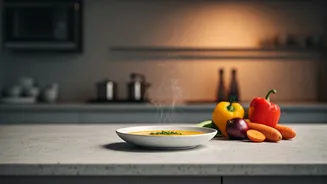
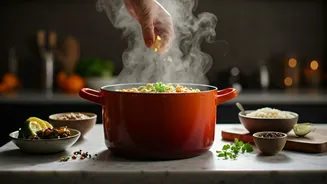
The easiest way to start cooking scrappy is with vegetables. Most of us are conditioned to peel carrots, chop the tops off celery, and discard the tough stems of leafy greens. But these are packed with flavor and nutrients. Keep a large freezer bag or container labeled “Stock Scraps.” Into it go your clean onion skins (they add beautiful color), carrot peels, celery ends, mushroom stems, and herb stalks. Once the bag is full, simply empty it into a pot, cover with water, add a bay leaf and some peppercorns, and simmer for an hour. Strain it, and you have a rich, flavorful, and completely free vegetable broth to use as a base for soups, stews, and sauces.
Reinventing Your Leftovers
Scrappy cooking is the enemy of the forgotten leftover container languishing in the back of the fridge. The key is to think of leftovers not as a finished meal to be reheated, but as an ingredient for a new one. That half a cup of leftover rice? It’s the perfect start for a quick fried rice or savory rice pancakes. A few slices of stale bread can become golden, crunchy croutons for a salad, crispy breadcrumbs for a pasta bake, or the foundation of a rich panzanella salad. Got a small portion of roasted chicken? Shred it and turn it into tacos, a chicken salad sandwich, or a topping for a loaded baked potato. This mindset shift prevents food from going bad and saves you from buying ingredients you already have.
Don't Ditch the Stems and Greens
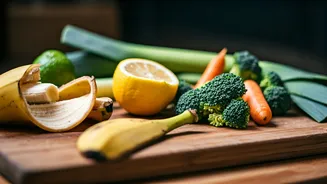
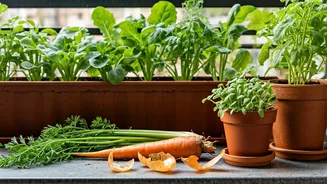
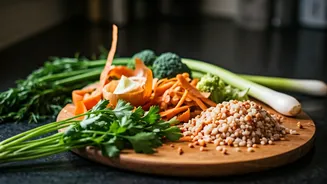
Some of the most nutritious parts of our vegetables are the ones we habitually throw away. Broccoli stalks, for instance, are just as delicious as the florets. Simply peel away the tough outer layer and you can slice them for a stir-fry, shred them for a slaw, or chop them and roast them alongside the florets. The leafy green tops of carrots and beets are also edible powerhouses. Carrot tops can be blended into a zesty, slightly peppery pesto, while beet greens can be sautéed with garlic and olive oil just like spinach or Swiss chard. Even the tough rind of a parmesan cheese wedge can be dropped into a simmering pot of soup or tomato sauce to impart a deep, savory umami flavor—just remember to fish it out before serving.
Smart Storage and Strategic Shopping
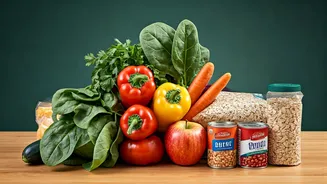
The final piece of the scrappy puzzle happens before you even start cooking. Proper storage extends the life of your food. Store herbs with their stems in a glass of water, like a bouquet of flowers. Keep greens from wilting by wrapping them in a damp paper towel before placing them in the fridge. When you shop, look for the “ugly” produce—the misshapen carrots or slightly bruised apples that are often sold at a discount. They taste exactly the same and are perfect for dishes where appearance doesn't matter, like soups, stews, and smoothies. By buying only what you need and making it last as long as possible, you set the stage for a truly economical kitchen.