



Beyond the Mosquito Net
Let’s be honest: the romantic idea of ‘roughing it’ fades quickly in 90% humidity. For decades, the choice for a deep-jungle experience was stark: a bare-bones campsite or a dated, mass-market hotel far from the action. The modern wildlife lodge offers
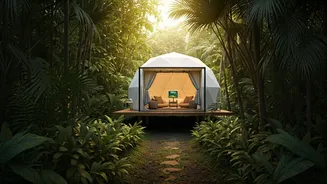
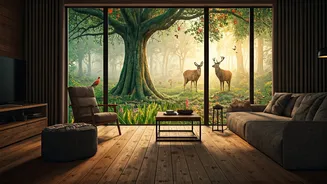
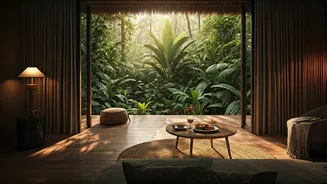
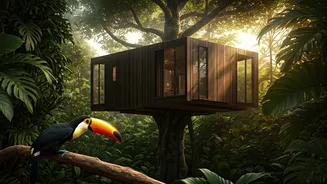
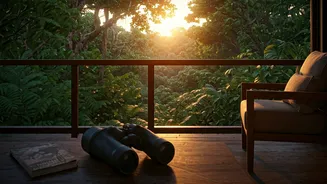
a compelling third way. These are not just hotels plopped in the forest; they are architectural marvels designed to immerse you in the environment, comfortably. Think private bungalows with screened-in porches overlooking a river teeming with caimans, infinity pools that seem to merge with the forest canopy, and open-air dining rooms where the soundtrack is a chorus of tree frogs and cicadas. This isn’t about gold-plated faucets or sterile luxury. It’s about thoughtful design that uses local materials, promotes natural airflow, and ensures that after a day of trekking through mud and marveling at wildlife, your refuge is a clean, dry, and restorative space. This focus on experiential comfort makes the adventure accessible to a wider range of travelers, from families to couples who want the thrill of the wild without the misery.
Conservation as a Cornerstone
Perhaps the most significant upgrade is a philosophical one. The best wildlife lodges operate on a principle of enlightened self-interest: the ecosystem they depend on for survival must be protected. Your stay is no longer just a transaction; it's an investment in conservation. Many top-tier lodges are deeply involved in protecting their surroundings. They purchase and reforest vast tracts of land, creating private reserves that act as buffer zones for national parks. They fund and host scientific research, employing resident biologists who study the local flora and fauna. The revenue from tourism directly pays for anti-poaching patrols, habitat restoration projects, and community outreach programs that teach the economic value of a living forest over a logged one. This model transforms the tourist from a passive observer into an active participant in preservation. You're not just seeing the jungle; you're helping to save it. This adds a powerful layer of meaning to the trip, turning a vacation into a contribution.
Access to Unparalleled Expertise
A traditional jungle tour might pair you with a friendly local guide who knows the main trails. A modern wildlife lodge provides access to a team of specialists. The ‘upgrade’ here is the depth of knowledge and the quality of the experience. Instead of a generic hike, you might join a morning bird-watching walk with an ornithologist who can identify dozens of species by their calls alone. In the afternoon, you could track pumas with a seasoned naturalist who has spent years studying their behavior. At night, you might venture out with a herpetologist to find rare glass frogs and sleeping bats. These guides aren't just leading you; they're educating you. They are often passionate locals or dedicated scientists who provide context, share groundbreaking research, and reveal the subtle, intricate web of life you would otherwise miss. This transforms a simple sightseeing trip into a deep, educational immersion, leaving you with a far greater appreciation for the complexity of the ecosystem you’re visiting.
A Genuine Boost for Communities
Sustainable tourism is about more than just the environment; it’s about people. The old model of jungle tourism often saw foreign-owned companies extracting profits with minimal benefit to the local population. Reputable wildlife lodges are flipping that script. They are frequently among the largest and best employers in remote rural areas, providing stable jobs, competitive wages, and professional training in hospitality, guiding, and management. By prioritizing local hiring and sourcing, from the food in the kitchen to the textiles in the gift shop, they ensure that tourism dollars circulate within the community. Some lodges go further, funding schools, medical clinics, and clean water projects. This economic integration creates a powerful incentive for local communities to become stewards of their natural heritage, seeing the forest and its creatures as valuable assets to be protected rather than resources to be exploited. When you stay at such a lodge, you are supporting a sustainable local economy built on conservation, not extraction.