





A Megacity's Thirst
To understand the innovation, you first have to understand the crisis. Delhi, a sprawling metropolis of over 20 million people, is facing a severe water shortage. Its groundwater levels are critically low, its main river is heavily polluted, and the city’s
infrastructure struggles to meet the booming demand. For millions, daily life involves a patchwork of piped water, private borewells, and expensive water tankers. In this environment, any drop of water saved isn't just an environmental win; it's a lifeline. This intense pressure has turned the city into an unlikely laboratory for cutting-edge water conservation, forcing residents and developers to think beyond conventional solutions.
The Hydroponic Loop Explained
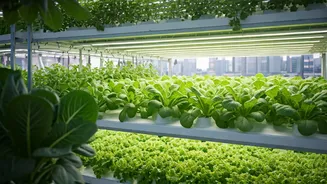
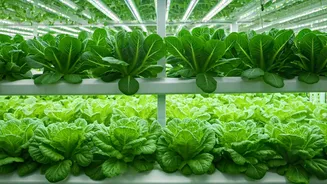
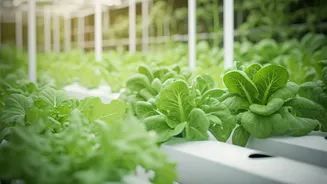
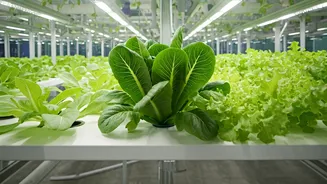
When you hear “hydroponics,” you might picture commercial farms growing lettuce under LED lights. But in the context of these Delhi apartments, it’s part of a much cleverer system for water management. The “hydroponic loop” is a form of decentralized wastewater treatment. Instead of sending all used water down the drain and into an overloaded municipal system, these buildings capture 'greywater'—the relatively clean wastewater from showers, laundry machines, and bathroom sinks. This water, while not drinkable, is a valuable resource. The system then uses plants to clean it naturally.
How It Works: From Shower to Plant
The process is elegant in its simplicity. First, greywater is collected and channeled into a constructed wetland or a series of pipes and tanks. This is the hydroponic part of the loop. Here, specific types of plants, often ornamentals like canna lilies or reeds, are grown without soil. Their roots dangle in the nutrient-rich greywater. The plant roots, along with a host of beneficial microbes living on them, act as a powerful bio-filter. They absorb nitrates, phosphates, and other impurities from the water, effectively cleaning it while they grow. This mimics the natural purification process of a wetland, but in a compact, engineered system suitable for an urban building.
Closing the Loop and Saving 90%
After being filtered by the hydroponic system, the treated water is clean enough for a variety of non-potable uses. It’s redirected to fill toilet cisterns, for landscape irrigation, or to wash common areas and vehicles. This is where the massive savings come from. By recycling greywater for these purposes, a building can slash its demand for fresh, potable water by a huge margin. The “90%” figure often cited for hydroponics refers to its efficiency compared to soil agriculture, but in this context, it reflects the enormous reduction in freshwater needed for flushing and other secondary uses. It creates a closed-loop system where water is used, cleaned, and reused on-site, dramatically reducing the building's water footprint.
A Blueprint for America's Arid Cities
While this innovation is blooming in Delhi, its implications are global. Cities across the American West, from Los Angeles to Phoenix, are grappling with their own long-term droughts and strained water resources like the dwindling Colorado River. The concept of decentralized, building-level water treatment is gaining serious attention in the U.S. as a key strategy for urban resilience. The Delhi model demonstrates that such systems are not just theoretical but practical and effective. They offer a blueprint for how our own apartment buildings, office towers, and new developments could be designed to be radically more water-efficient, turning each building into its own small-scale water recycling plant.