
The TikTok Tadka Takeover
If you’ve scrolled through TikTok or Instagram Reels lately, you’ve likely seen it: a mesmerizing pour of shimmering, spice-infused oil—a tadka—sizzling as it hits a pot of lentils. This is the new ASMR, and it’s a gateway into the world of Indian home
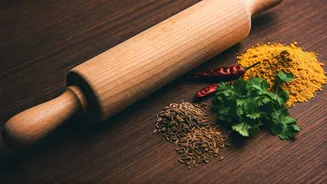
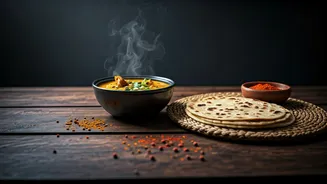
cooking for millions of Gen Z viewers. Unlike the polished, intimidating cooking shows of the past, today’s food creators are demystifying Indian cuisine one 60-second video at a time. They’re showing how to make perfectly round rotis, explaining the difference between turmeric and cumin, and proving that a complex, flavorful meal doesn't require a culinary degree or a ten-hour time commitment. The short-form video format is perfectly suited to breaking down techniques that once seemed inaccessible, turning the art of making dal or a simple sabzi (vegetable stir-fry) into an achievable weeknight goal. This digital accessibility has been the primary catalyst, transforming family recipes into viral trends.
Beyond Butter Chicken
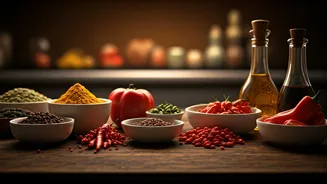
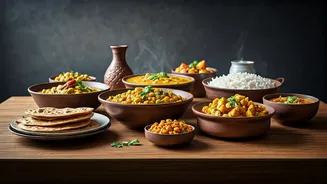
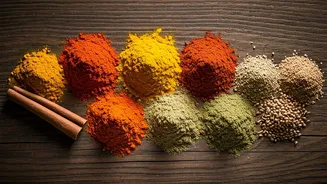
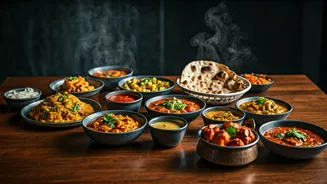
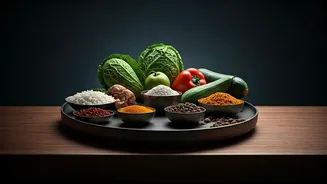
When Americans think of Indian food, their minds often go to a familiar lineup of rich, creamy restaurant classics: butter chicken, tikka masala, and mountains of garlic naan. While delicious, this is a narrow slice of a subcontinent's vast culinary landscape. The current revival is focused less on recreating restaurant indulgence and more on exploring the humble, everyday magic of home cooking. This is the food that Indian families have eaten for generations—simple lentil stews (dal), seasonal vegetable dishes, yogurt-based sauces (raita), and a vast array of regional flatbreads. It’s comforting, often vegetarian-friendly, and deeply nourishing. Creators are showcasing the logic of the “masala dabba,” the traditional spice box that puts a universe of flavor at a cook’s fingertips. By championing these simpler, regional dishes, Gen Z is moving past the stereotype of Indian food as a heavy, special-occasion meal and embracing it as a sustainable, everyday way of eating.
A Search for Authenticity and Wellness
So, why this, and why now? For many young second-generation South Asian Americans, this trend is a powerful act of cultural reclamation. It’s a way to connect with a heritage that may have felt distant, translating their parents' or grandparents' “pinch of this, little of that” instructions into concrete, shareable recipes. It’s about owning their identity on their own terms. For their non-Indian peers, the appeal is twofold. First, it taps directly into Gen Z’s broader interest in global cultures and authentic experiences. Second, it aligns perfectly with modern wellness values. Many Indian home-cooked meals are naturally plant-based, gluten-free, and built around anti-inflammatory ingredients like turmeric and ginger. In an era of economic uncertainty, discovering that a bag of lentils, some rice, and a few spices can create a week's worth of delicious, healthy meals is a revelation. It’s a rejection of expensive, processed foods in favor of something real, affordable, and deeply satisfying.
From Niche Trend to Kitchen Staple
While the avocado became a symbol of a certain aspirational, Instagram-filtered lifestyle, the Indian home cooking trend represents something different. It’s less about performance and more about participation. It’s not about finding the most photogenic cafe but about mastering a skill and feeding yourself and your friends. This shift reflects a generation that is digitally native yet craves tangible, real-world connection. The avocado isn't disappearing from our plates, but it’s no longer the sole icon of modern American eating. It’s now sharing the spotlight with a well-stocked pantry of spices, the rhythmic clap of rolling out dough, and the communal joy of sharing a meal that feels both ancient and brand new. Indian home cooking isn’t just a fleeting trend; it’s a sign that the American palate is getting more diverse, more curious, and more hands-on.