


The Ultimate Test of Faith
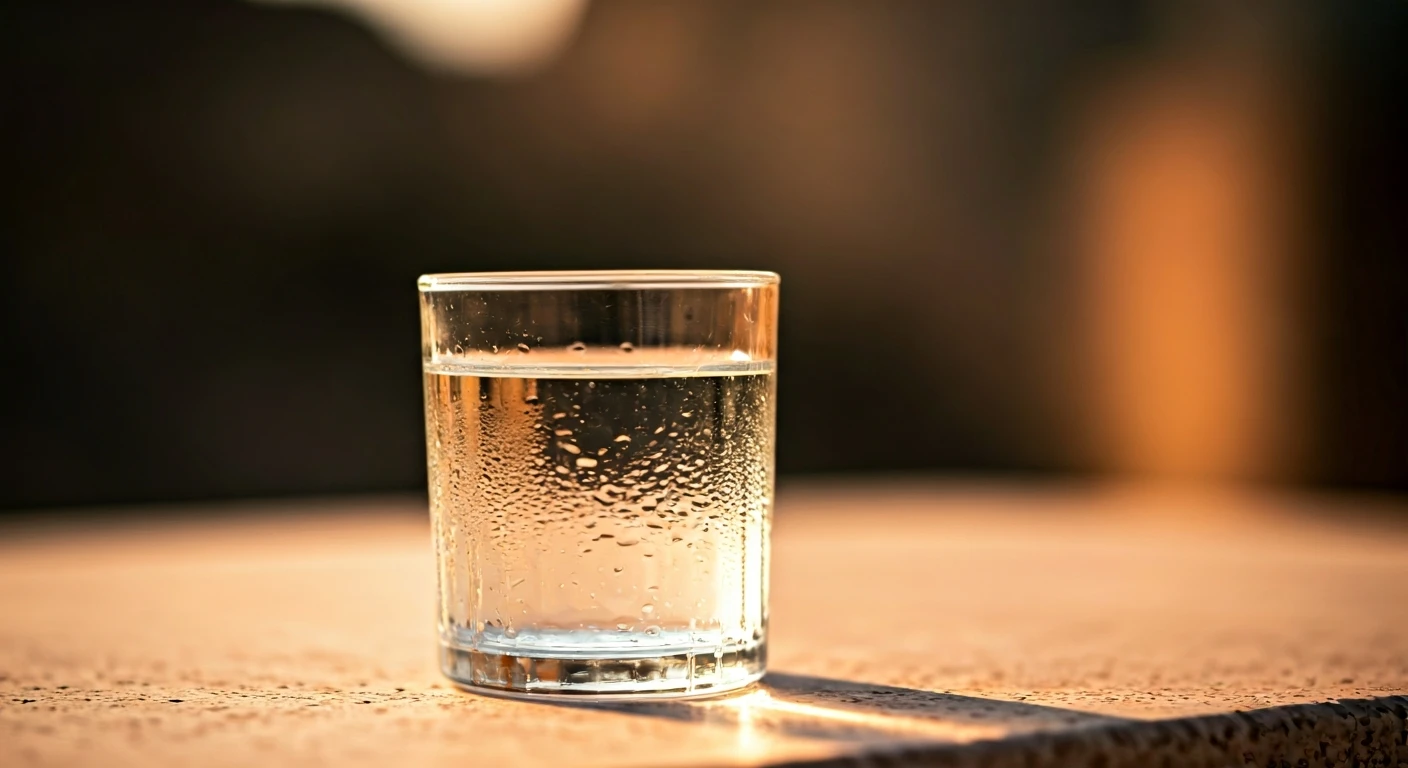
Nirjala Ekadashi is widely considered the most difficult of the 24 Ekadashi fasts observed by devout Hindus. The name itself is a dead giveaway: ‘Nirjala’ translates to “without water.” For a full 24 hours, from sunrise to the next sunrise, observers
abstain from all food and, crucially, all water. It’s a profound act of devotion dedicated to Lord Vishnu, believed to cleanse sins and bestow spiritual merit. The fast falls during the Hindu month of Jyeshtha (typically May or June), which coincides with the sweltering, pre-monsoon heat across much of India. Undertaking a waterless fast in these conditions is an incredible test of physical endurance and mental fortitude, turning a spiritual practice into a formidable personal challenge.
Why Brave the Elements?
So, why do millions of people choose to do this? The spiritual reasoning is deep-rooted. Ekadashi, the eleventh day of each lunar fortnight, is considered an auspicious time for introspection and connecting with the divine. The physical denial of the fast is meant to redirect one’s focus from worldly needs to spiritual contemplation. By detaching from the basic requirements of food and water, practitioners aim to gain control over their senses and mind. Completing the Nirjala Ekadashi fast is said to be equivalent to observing all 24 other Ekadashi fasts throughout the year. It’s a spiritual shortcut, but one that demands absolute commitment and resolve.
The Art of Breaking the Fast
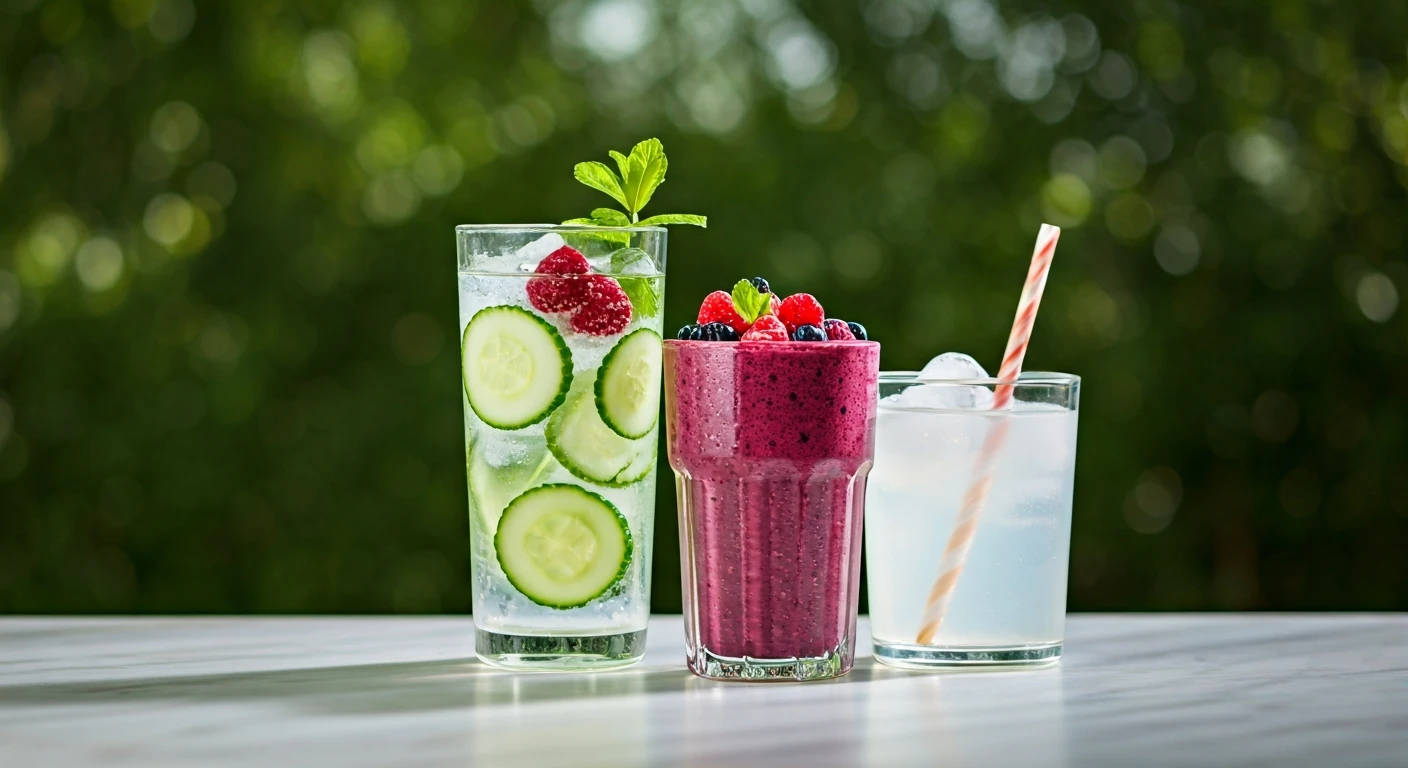
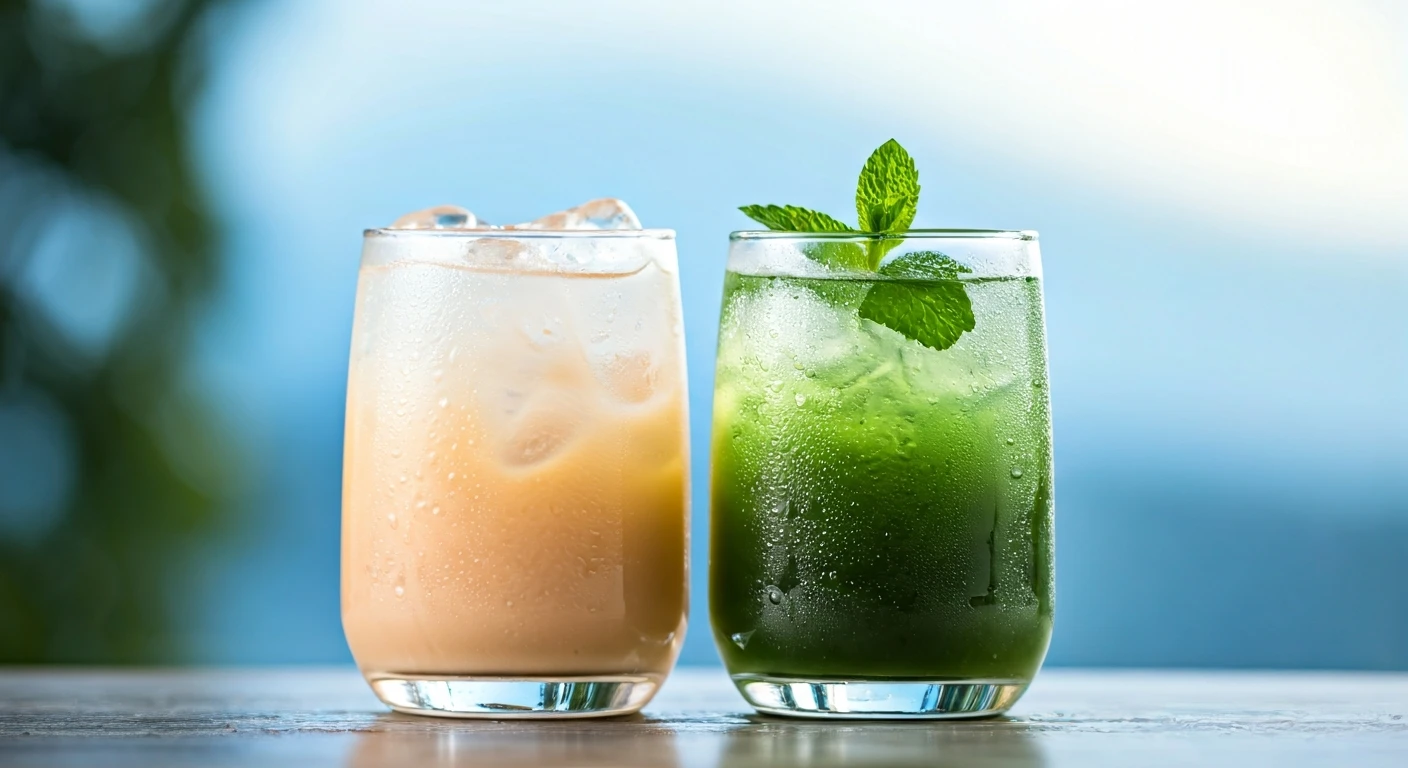
After 24 hours of extreme austerity, you might imagine a frantic rush to the nearest water cooler followed by a massive feast. But the tradition is far more thoughtful and gentle. Breaking the fast, or ‘paran,’ is a careful, ritualized process. The body, deprived of sustenance, needs to be eased back into digestion. Gulping down plain water or heavy food can cause shock to the system, leading to cramps and discomfort. This is where the “hook” comes in. The fast is broken with specially prepared, nutrient-rich cooling drinks designed to rehydrate, replenish, and soothe the digestive tract. They aren’t just beverages; they are the first, gentle step back to the material world.
A Tour of Traditional Thirst-Quenchers
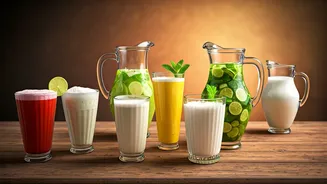
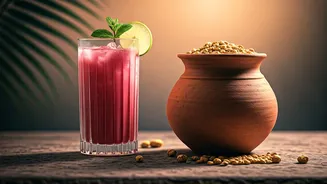
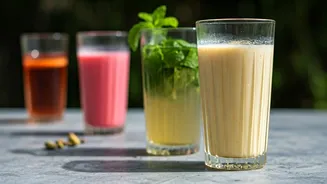
The drinks used to break the fast are a masterclass in traditional wisdom, often drawing on Ayurvedic principles. A popular choice is Bel (or Bael) Sherbet, made from the pulp of the wood apple. This fruit is a digestive powerhouse, known for its cooling properties and ability to soothe an irritated stomach lining. Another favorite is Sattu, a drink made from roasted chickpea or barley flour. Mixed with water, a pinch of salt, and a squeeze of lemon, it creates a savory, protein-packed slurry that provides instant energy without being heavy. You’ll also find classics like Nimbu Pani (fresh lime water with sugar and salt to restore electrolytes) and Aam Panna (a tangy drink made from boiled raw mangoes) being served. Each drink is a perfect blend of taste and function.
More Than Just Hydration
These beverages are the centerpiece of the post-fast ritual for a reason. They are fundamentally restorative. The natural sugars provide a quick energy boost, the salts replenish lost electrolytes, and the specific ingredients help kickstart the digestive system safely. The experience of that first sip—cool, flavorful, and life-affirming—is a deeply satisfying reward for the austerity of the preceding 24 hours. It’s a sensory celebration that beautifully contrasts with the disciplined denial that came before. This focus on a gentle, nourishing conclusion is what makes the entire observance feel holistic—a complete cycle of discipline and reward, of body and spirit.