
Beyond the Unmarked Cashmere Sweater
First, let’s define 'quiet luxury' in a way that goes beyond the closets of the super-rich. Popularized by shows like *Succession*, the concept is about prioritizing impeccable craftsmanship, high-quality materials, and timeless design over flashy logos
and trend-driven consumption. It’s the difference between a Gucci belt buckle that screams its price tag and a perfectly tailored Loro Piana coat that whispers it—or says nothing at all. In interiors, this translates to an environment that feels expensive and intentional without a single brand name in sight. It’s a space furnished with pieces that are meant to last a lifetime, not just a season. The luxury isn't in the opulence; it's in the subtlety, the feel of the materials, and the masterful construction of each object.
Minimalism, But Make It Livable
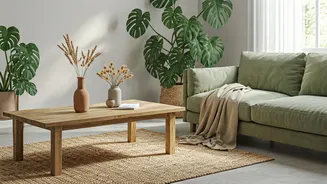
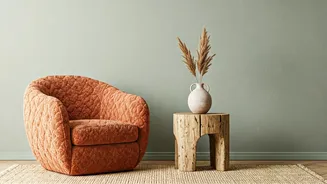
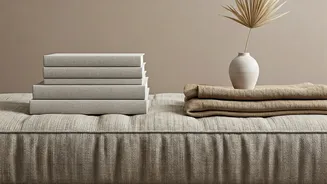
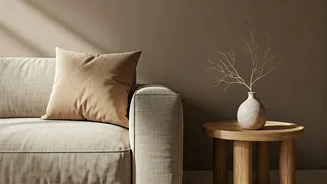
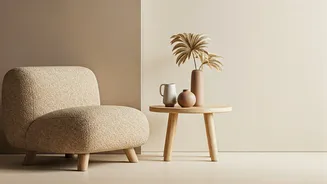
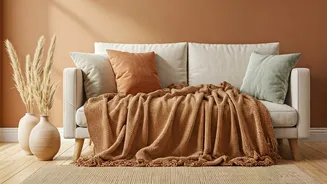
For years, minimalism got a bad rap for being cold, sterile, and unforgiving. Think of stark white walls, concrete floors, and a single, uncomfortable-looking chair in the corner. Warm minimalism is the antidote. It keeps the core principle—less is more—but infuses it with soul, texture, and comfort. This style swaps cold whites for creamy off-whites, beiges, and earthy browns. It favors natural materials that age gracefully: unpainted wood, soft linen, worn leather, travertine, and nubby wool. Silhouettes are often softer, with curved sofas and rounded edges replacing sharp, geometric lines. The goal isn't emptiness; it's a curated calm. Every object in the room has a purpose and a place, contributing to an overall sense of tranquility and warmth.
The Shared Philosophy: Substance Over Style
This is where the two concepts merge. Warm minimalism is the physical manifestation of quiet luxury’s ethos. Both are fundamentally about investing in substance. When you choose a solid oak dining table over a cheaper veneer alternative, you’re making a quiet luxury decision. When you opt for a sofa upholstered in natural linen instead of a trendy but less durable synthetic, you’re channeling that same energy. This shared philosophy values: - **Texture over Pattern:** The visual interest comes from the interplay of different materials—a rough-hewn wooden bowl next to a smooth ceramic vase, a chunky knit throw on a leather armchair. - **Timelessness over Trends:** The furniture and decor are chosen for their classic forms and durability, ensuring they won't look dated in five years. - **Quality over Quantity:** A room with three perfectly crafted, beautiful pieces feels more luxurious than a room cluttered with thirty mediocre ones.
A Retreat from Visual Noise
It’s no coincidence this aesthetic is gaining momentum now. We live in an era of digital saturation and fast-fashion everything, including home goods. Algorithm-fueled trends like 'dopamine decor' or the latest '-core' aesthetic encourage constant, rapid turnover. Warm minimalism and quiet luxury offer a powerful counter-narrative. They represent a desire to create a personal sanctuary—a home that’s a respite from the visual and mental noise of the outside world. It’s a conscious move toward slower, more intentional consumption. This isn't about deprivation or achieving a perfect, museum-like space. It’s about being deliberate with your choices, surrounding yourself only with things that are useful, beautiful, and built to last. It’s a design style that serves your life, not the other way around.