





Understanding the Monsoon Magic
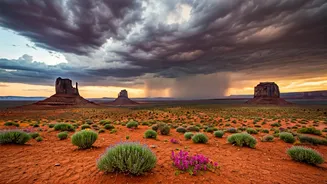
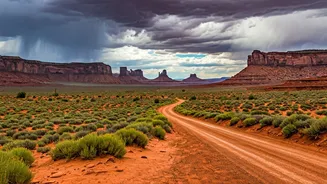
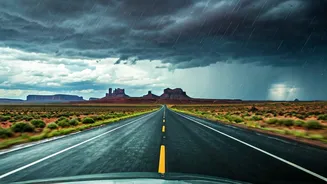
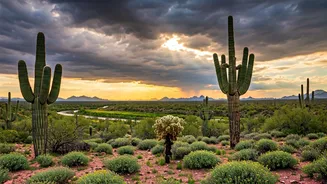
First, let's be clear: the North American Monsoon isn't a constant downpour. It’s a seasonal pattern from roughly June to September where moisture from the Pacific and Gulf of Mexico flows into the arid Southwest. This leads to dramatic, often localized
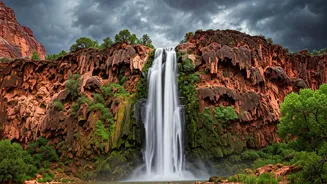
afternoon thunderstorms that can dump inches of rain in minutes. For a landscape that is thirsty most of the year, this sudden deluge is a powerful force of creation. It swells rivers, carves new paths through canyons, and awakens dormant waterfalls, turning dusty cliffs into thundering cascades overnight. Chasing these waterfalls is an exercise in timing and appreciation for the ephemeral, a truly unique adventure that’s only available for a few short months.
Grand Falls, Arizona: The 'Chocolate' Giant
Often called the “Chocolate Falls” for its famously muddy, silt-heavy torrent, Grand Falls on the Little Colorado River is a sight to behold. Located on the Navajo Nation northeast of Flagstaff, this natural wonder is actually taller than Niagara Falls. For most of the year, it's a series of dry, terraced steps. But after significant monsoon rains upstream, it transforms into a massive, roaring curtain of water wider than a football field. The spectacle is less about pristine, clear water and more about raw, untamed power. Because its flow depends entirely on recent rainfall, you have to time your visit carefully, often checking river gauges and weather reports to catch it at its peak. The reward is a visceral display of nature's force that you won’t soon forget.
Seven Falls, Arizona: A True Desert Oasis
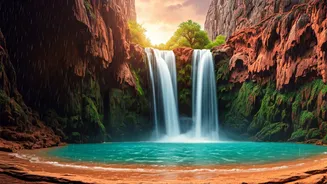
Nestled in the Sabino Canyon Recreation Area near Tucson, Seven Falls offers a different kind of monsoon experience. Reaching it requires a moderately challenging hike (or a tram ride for part of the way), which makes the destination feel earned. The trail crisscrosses a creek that, during monsoon season, can be flowing briskly. The payoff is a series of tiered pools and cascades tumbling down the rock face of a sheer canyon wall. Unlike the muddy fury of Grand Falls, this is a classic desert oasis fantasy brought to life. The sound of the water echoes off the canyon, and the cool spray offers a welcome respite from the desert heat. It’s the perfect spot to take a break, have a snack, and marvel at how water can create such a lush, vibrant micro-environment in the middle of the Sonoran Desert.
Jemez Falls, New Mexico: A Cool Forest Retreat
If the open desert isn't your scene, head for the mountains. In the Jemez Mountains of New Mexico, the monsoon season brings the landscape to life in shades of deep green. Jemez Falls is one of the area's most accessible and rewarding destinations. A short hike through a fragrant ponderosa pine forest leads you to an overlook of the main event: a powerful, multi-tiered waterfall crashing into a canyon below. The combination of cool mountain air, the scent of pine and rain, and the roar of the falls is a full sensory experience. The higher elevation provides a welcome escape from the summer heat of the lower valleys, making it an ideal weekend trip from Albuquerque or Santa Fe. It’s proof that monsoon magic isn’t just reserved for the desert floor.
Before You Go: Monsoon Safety Is No Joke
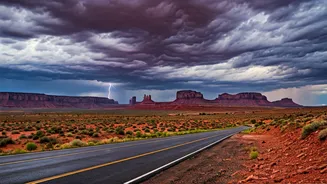
This part is crucial. The same storms that create these beautiful waterfalls also create serious dangers. Flash floods are the number one risk. A storm miles away can send a wall of water rushing down a dry wash or narrow canyon with little to no warning. Never camp in a dry wash, and if you are hiking in a canyon, always have an escape route to higher ground. Check the forecast religiously before you go, and if there are thunderstorms predicted, consider postponing your trip. Heed all posted warnings and trail closures. Lightning is another major threat in the open landscapes of the Southwest. If you hear thunder, you are close enough to be struck. The rule is simple: when thunder roars, go indoors (or back to your car).