
A Soft Rebellion Against Sharp Lines
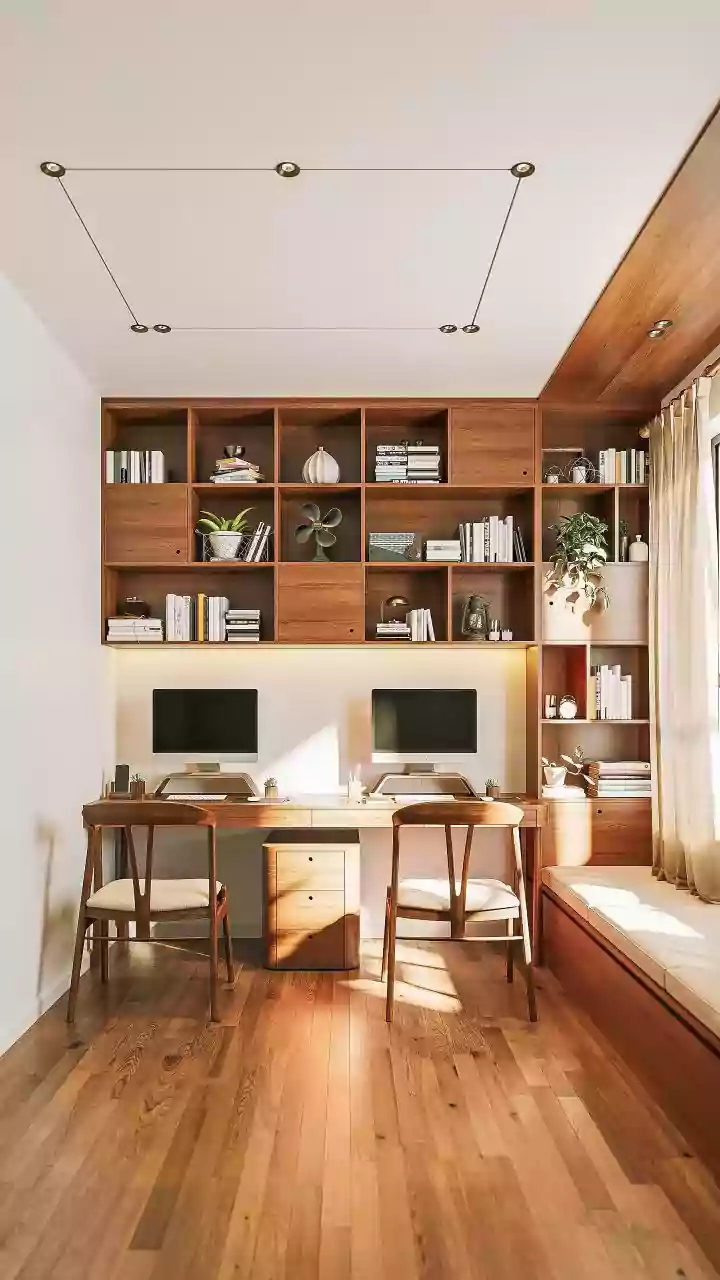
For the better part of a decade, the dominant aesthetic in American homes was a particular brand of sharp-edged minimalism. Think clean lines, right angles, and a muted palette of grays, whites, and blacks. It was a look rooted in Scandinavian simplicity
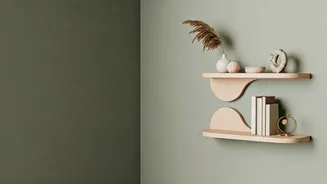
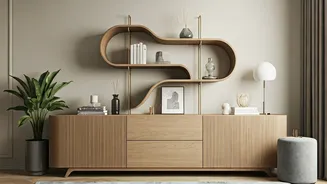
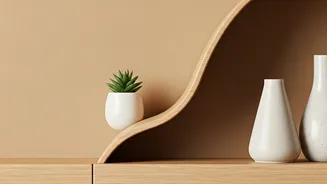
and mid-century modern austerity. But design, like all culture, is cyclical. The rise of scalloped, wavy, and serpentine shelving is a direct and deliberate response to that era of straight-laced design. These curves represent a collective exhale—a turn toward softness, comfort, and organic forms. Interior designers call this movement toward cozier, more personalized spaces 'soft modernism' or 'romantic minimalism.' The scallop is its perfect emblem: it introduces a gentle, playful rhythm into a room without creating clutter. It’s a way to break free from the grid-like rigidity that defined the 2010s, offering a visual and emotional softness that feels particularly welcome in a post-pandemic world where our homes have become our primary sanctuaries.
The Powerful Pull of Nostalgia
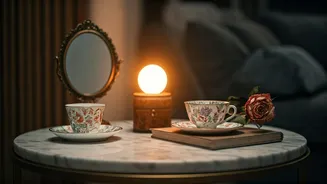
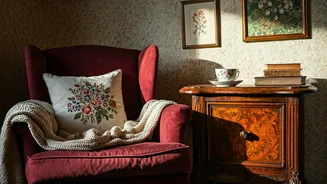
Look at a scalloped edge, and you might feel a faint echo of something familiar. That's nostalgia at work. The form has deep roots in design history, evoking everything from the glamorous curves of Art Deco architecture to the whimsical trim on a childhood storybook. For some, it recalls the gentle waves of the sea or the ruffled edges of a vintage dress. This subtle sense of history gives the trend a comforting weight that many fleeting fads lack. It’s not just a random shape; it’s a shape with associations. In an age of digital slickness, a form that feels handmade, classic, and a little bit sentimental has immense appeal. It connects a modern space to a romanticized past, suggesting craftsmanship and a touch of old-world charm. Whether it’s a single 'ricrac' shelf holding a few precious objects or a full built-in wall unit, the scallop tells a story that a simple floating plank cannot.
From Storage to Statement Piece
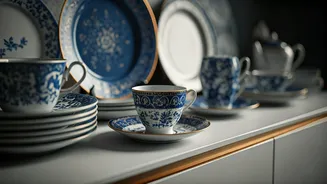
Perhaps the most significant reason for the scalloped shelf’s dominance is its dual function. It’s not just a place to put your books; it *is* the decoration. A simple, flat shelf serves a purely utilitarian purpose, its value determined by what it holds. A scalloped shelf, by contrast, is a sculptural object in its own right. It draws the eye, adds texture, and imbues a wall with personality before a single item is placed upon it. This makes it a powerful tool for designers and homeowners looking to create a 'main character' moment in a room. In a living room, a wavy bookshelf can become the central focal point. In a kitchen, scalloped open shelving turns everyday dishes into a curated display. This shift from functional to beautiful-and-functional explains its prevalence in visually driven publications like *Architectural Digest*. It photographs beautifully and instantly communicates a sophisticated, design-forward sensibility.
The Democratization of the Curve
While the trend may have bubbled up in high-end, bespoke interiors—think custom millwork in a multi-million-dollar home—its true explosion came with its accessibility. The simple, repeatable geometry of the scallop makes it surprisingly adaptable. Soon after designers began showcasing custom pieces, clever DIYers on TikTok and Instagram started sharing tutorials on how to add scalloped trim to basic IKEA shelves. Small makers on Etsy began offering handmade wavy shelves in a rainbow of colors. Now, major retailers from Anthropologie to Target have their own versions. This journey from aspirational to attainable is what turns a niche design idea into a bona fide phenomenon. When a look is versatile enough to be rendered in luxe marble by a top-tier designer *and* crafted from plywood in a weekend project, it has the legs to go mainstream. Its ability to be dressed up or down ensures it can fit into a maximalist Parisian-inspired apartment as easily as a minimalist-with-a-twist California bungalow.