

The Rise of the Restful Room
If your social media feeds feel a little less chaotic lately, you’re not imagining it. The era of ‘cluttercore’ and hyper-saturated ‘dopamine decor’—styles that celebrated exuberant, joyful excess—is giving way to something altogether more tranquil. This
isn’t a return to cold, sterile minimalism. Instead, it’s a collective exhale, a deliberate choice to curate homes that soothe the nervous system rather than stimulate it. Designers and trend-watchers point to a cultural shift: after a period of global uncertainty and digital saturation, we’re craving peace. Our homes are the one environment we can control, and the desire is for them to be a refuge from the noise, not another source of it. This new ethos values tranquility, space to breathe, and the beauty of well-made things over the sheer quantity of possessions.
What Defines a 'Calm' Layout?
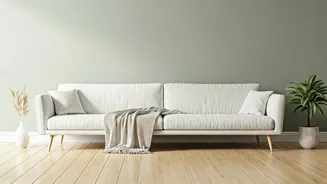
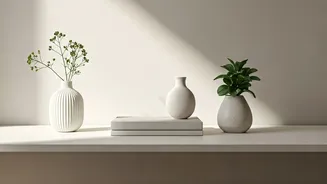
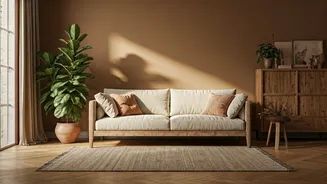
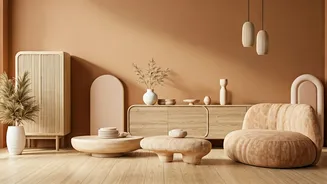
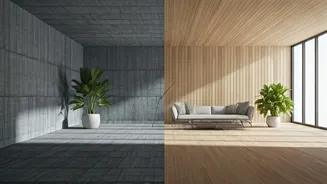
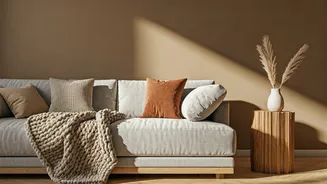
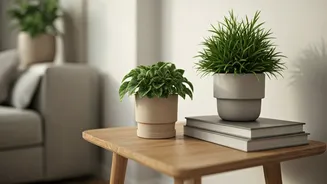
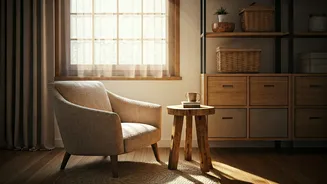
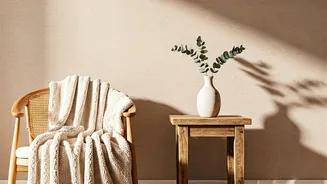
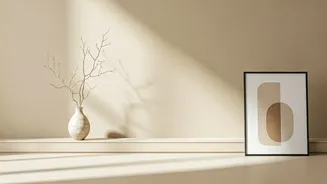
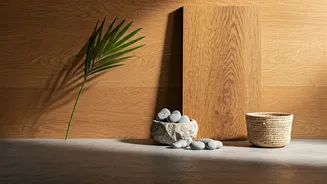
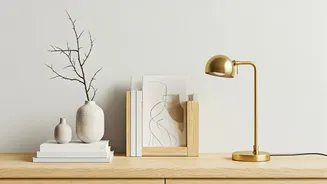
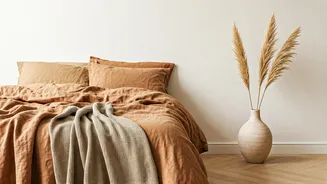
A calm layout is less about a specific style and more about a set of principles. It prioritizes flow, light, and texture. Think of rooms where the eye can rest. Surfaces are largely clear, but not empty; they might hold a single beautiful vase, a stack of beloved books, or a handcrafted bowl. The color palettes are drawn from nature—soft whites, earthy beiges, muted greens, and gentle grays—creating a cohesive and serene backdrop. The drama comes not from loud patterns but from the interplay of textures: a nubby wool blanket on a smooth linen sofa, a rough-hewn wooden table next to a sleek ceramic lamp. Furniture arrangements encourage conversation and relaxation, with clear pathways and a sense of openness. It’s the design equivalent of a deep breath.
Moving Past 'More is More'
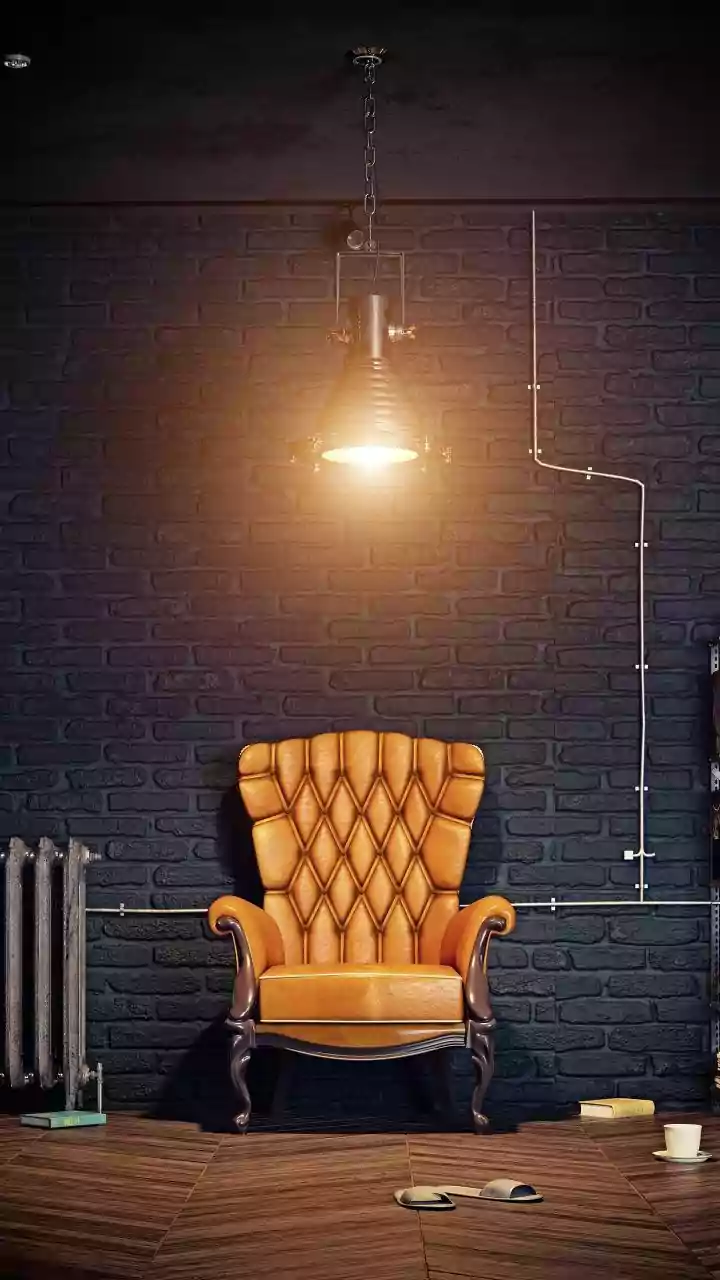
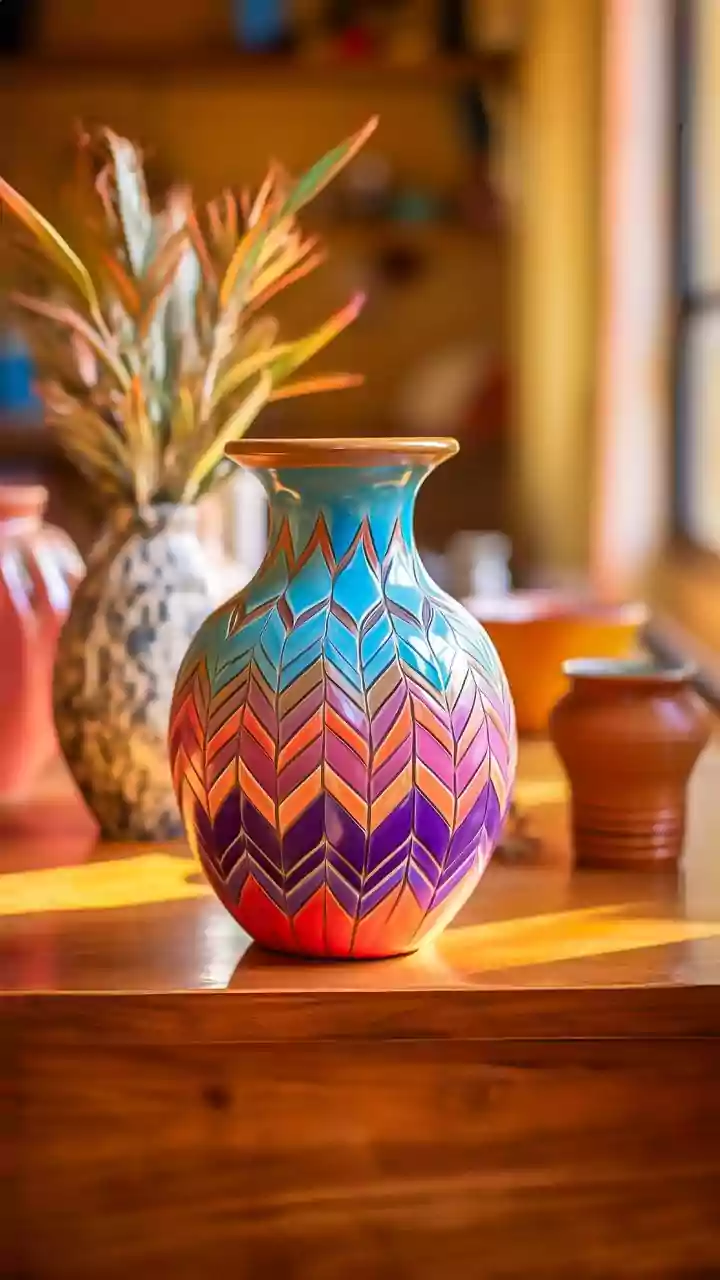
The overdecorated room, by contrast, is defined by density. It’s the floor-to-ceiling gallery wall where no single piece can be appreciated, the bookshelf overflowing with knick-knacks, the layering of multiple bold patterns that compete for attention. For a time, this style was a powerful form of self-expression, a visual feast that showcased personality and collecting habits. But for many, the visual weight of maintaining such a space has become draining. The constant need to dust, arrange, and manage a high volume of objects can contribute to a subtle sense of stress. While maximalism can be done with incredible artistry, its more accessible, mass-market version often tipped into simple clutter, leaving residents feeling overwhelmed by their own belongings.
Three Steps to a Calmer Space
Ready to embrace a more peaceful environment? It doesn’t require a complete overhaul. Start with these simple, intentional steps. 1. **Start with a Strategic Edit:** Don't try to declutter your whole house at once. Choose one surface, like your coffee table or entryway console. Remove everything, give it a good cleaning, and then thoughtfully put back only what is essential or truly beautiful. The empty space you create is just as important as the objects you keep. Enjoy the visual quiet before moving to the next area. 2. **Focus on Form and Function:** Instead of ten small decorative items, consider one that makes a statement through its form or material. This could be a sculptural floor lamp that provides beautiful ambient light, a high-quality wooden bowl that corrals keys and mail, or a single large piece of art that serves as a focal point. Quality over quantity quiets a room instantly. 3. **Layer in Natural Textures:** If you’re worried a pared-back space will feel cold, the answer is texture. Introduce elements like linen curtains, a jute or wool rug, plush velvet pillows, or a chunky knit throw. These materials add warmth, depth, and tactile comfort without creating visual noise, making the room feel cozy and inviting, not stark.