


Moving Beyond the Stereotype
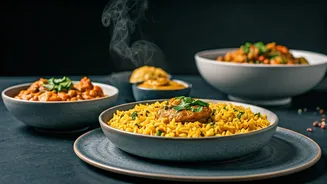
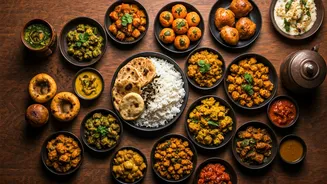
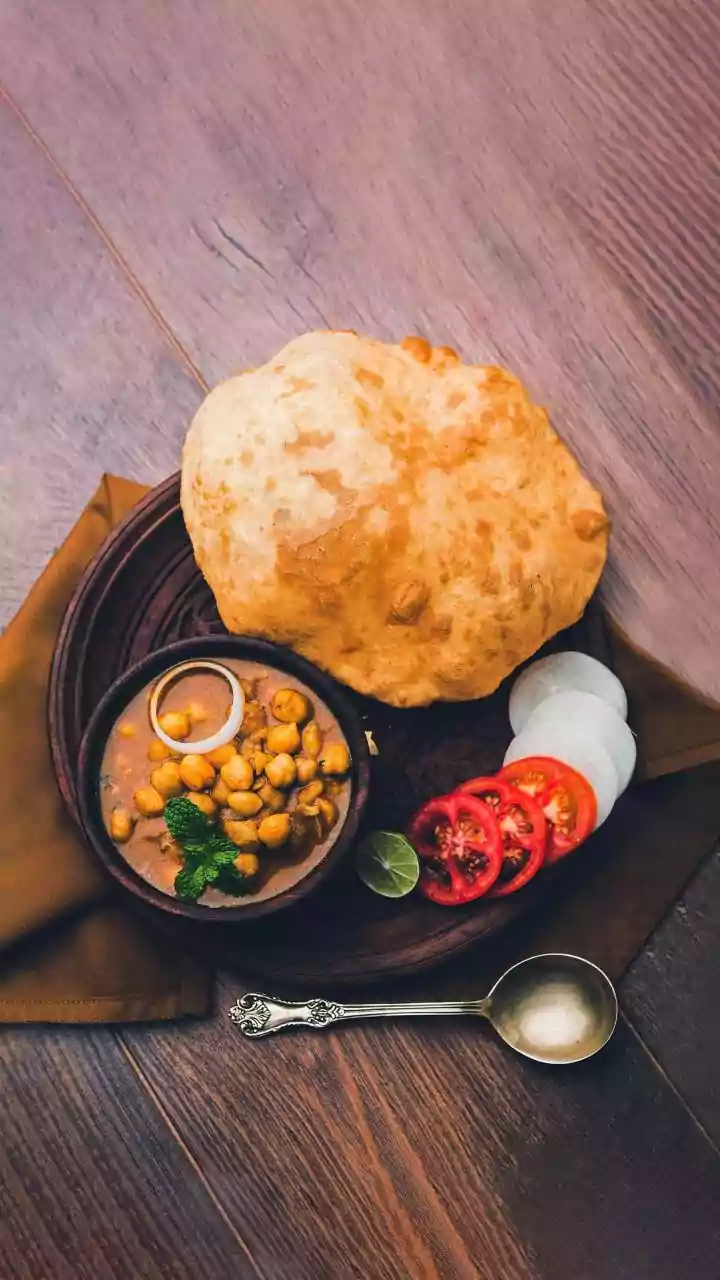
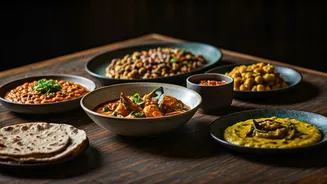
For decades, the perception of Indian food in America was often comforting but narrow. It was synonymous with a handful of North Indian staples: rich butter chicken, creamy tikka masala, and dense, doughy naan. While delicious, this popular image represented
only a sliver of the subcontinent's vast and varied culinary landscape. It was food designed for hearty satisfaction, often presented in communal pots under the warm glow of a buffet lamp, not necessarily for its visual finesse or delicate balance.But that monolithic view is being dismantled by a new generation of chefs and restaurateurs. Many are second-generation Indian Americans or recent immigrants who are tired of seeing their heritage cuisine flattened into a few predictable dishes. They are on a mission to showcase the regional diversity, ingredient-driven freshness, and inherent elegance of Indian cooking that often gets lost in translation.
The Instagram and Wellness Effect
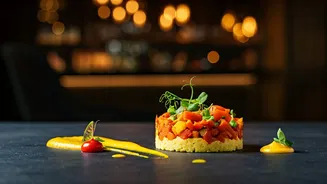
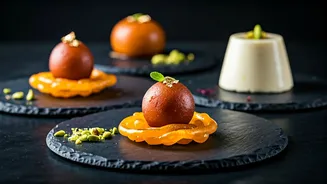
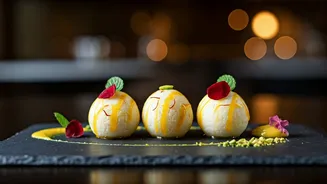
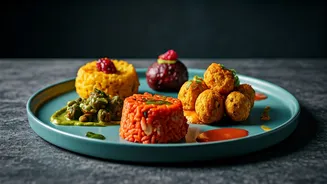
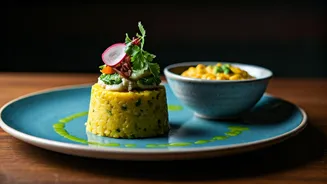
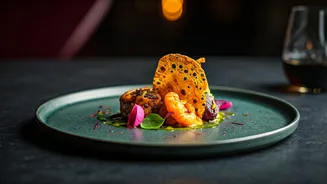
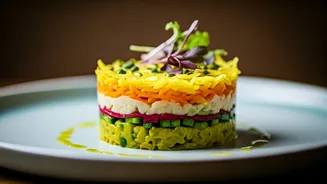
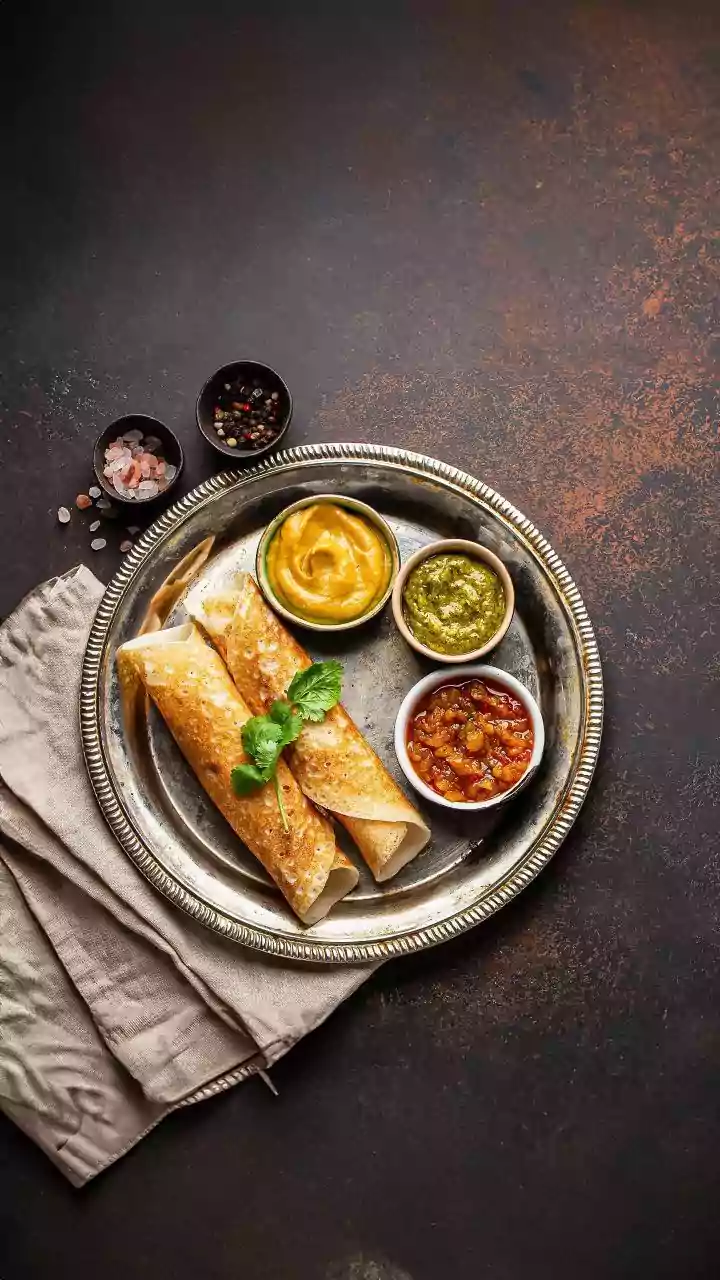
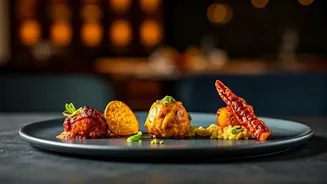
Two major cultural forces are accelerating this transformation: the wellness movement and the age of Instagram. As diners become more health-conscious, the demand for lighter, vegetable-forward meals has skyrocketed. This has created the perfect opening for chefs to explore Indian regional cuisines that have always been naturally lighter—think coastal preparations with coconut milk instead of heavy cream, or steamed, grilled, and fermented foods that are central to many regional diets.Simultaneously, we eat with our eyes first, and our phone cameras second. A dish’s success is now partly measured by its “Instagrammability.” This has pushed chefs to treat the plate like a canvas. Instead of a homogenous brown curry, you now see vibrant beet-infused raita, delicately placed microgreens, crispy okra slivers providing textural contrast, and sauces artfully swirled around a perfectly seared piece of fish. The result is food that’s as much a feast for the eyes as it is for the palate.
The New Guard of Indian Cuisine
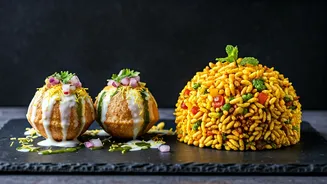
This movement isn't happening in a vacuum; it's being driven by visionary chefs. In cities like New York, Chicago, and Los Angeles, modern Indian restaurants are earning Michelin stars and rave reviews for their innovative approaches. Chefs like Chintan Pandya of Dhamaka and Semma in New York have become famous for championing “unapologetically” regional and often-overlooked dishes. His presentations are rustic yet intentional, highlighting the beauty of the core ingredients.Elsewhere, you find chefs deconstructing classics in a playful, fine-dining context. A samosa might be reimagined as a delicate cone filled with spiced potato foam. A traditional chaat might be layered in a glass, showing off its colorful components of yogurt, chutneys, and crunchy sev. This isn't about abandoning tradition, but celebrating it with modern techniques and a global aesthetic, proving that Indian food can be as refined and visually dynamic as any other world cuisine.
What's Actually on the Plate?
So, what does this new-wave Indian food look like? Picture a plate of pan-seared scallops sitting on a bright, turmeric-yellow pool of moilee sauce, garnished with glistening pops of salmon roe and fresh curry leaves. Imagine a kebab that isn't just a simple skewer of meat, but tender lamb chops marinated in yogurt and spices, grilled to perfection, and served alongside a vibrant mint chutney and pickled onion rings that add a sharp, acidic counterpoint.Vegetables are getting the star treatment, too. You might find a whole roasted cauliflower, rubbed with tandoori spices and served over a creamy, nut-based sauce, looking more like a celebratory centerpiece than a humble side dish. Salads are no longer an afterthought but a complex mix of textures and flavors, like a kale and sprouted lentil salad tossed in a tangy tamarind vinaigrette. Each dish is a thoughtful composition of color, texture, and flavor, designed to surprise and delight.