
A Kingdom of Ruins and Royalty
Your Instagram feed is full of infinity pools and carefully plated brunches. But the ultimate, undisputed travel flex in the 21st century is something far more primal: a photo of a wild Bengal tiger, unfenced and untamed, staring back at you. And there
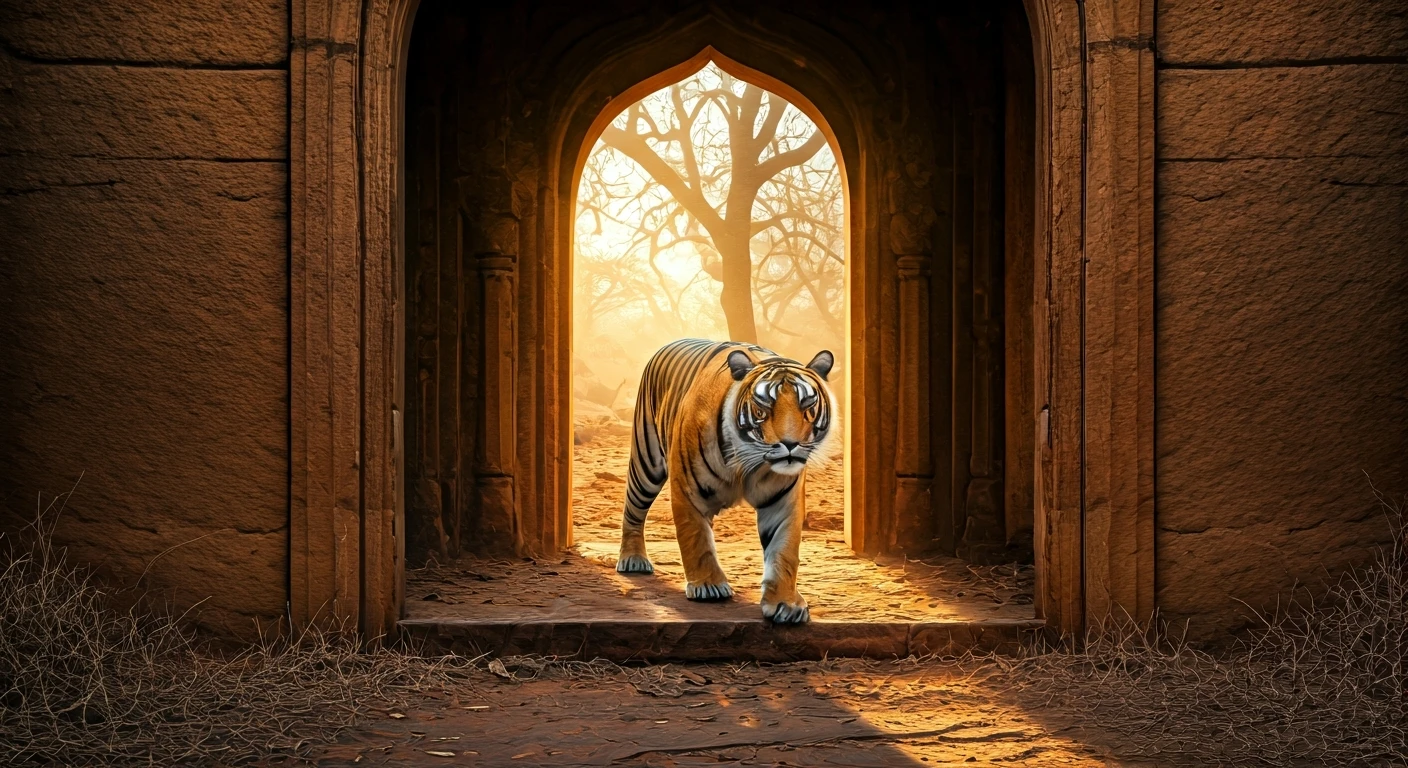
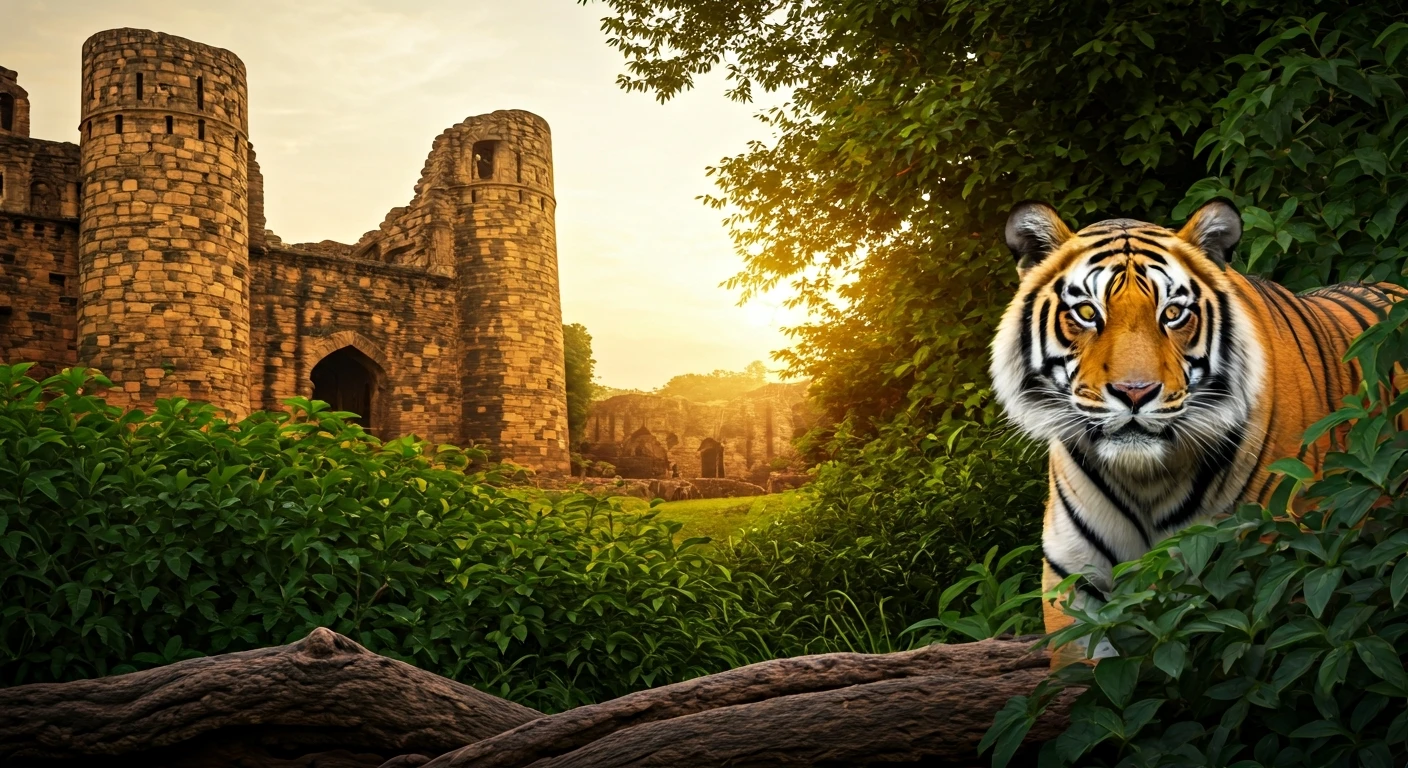
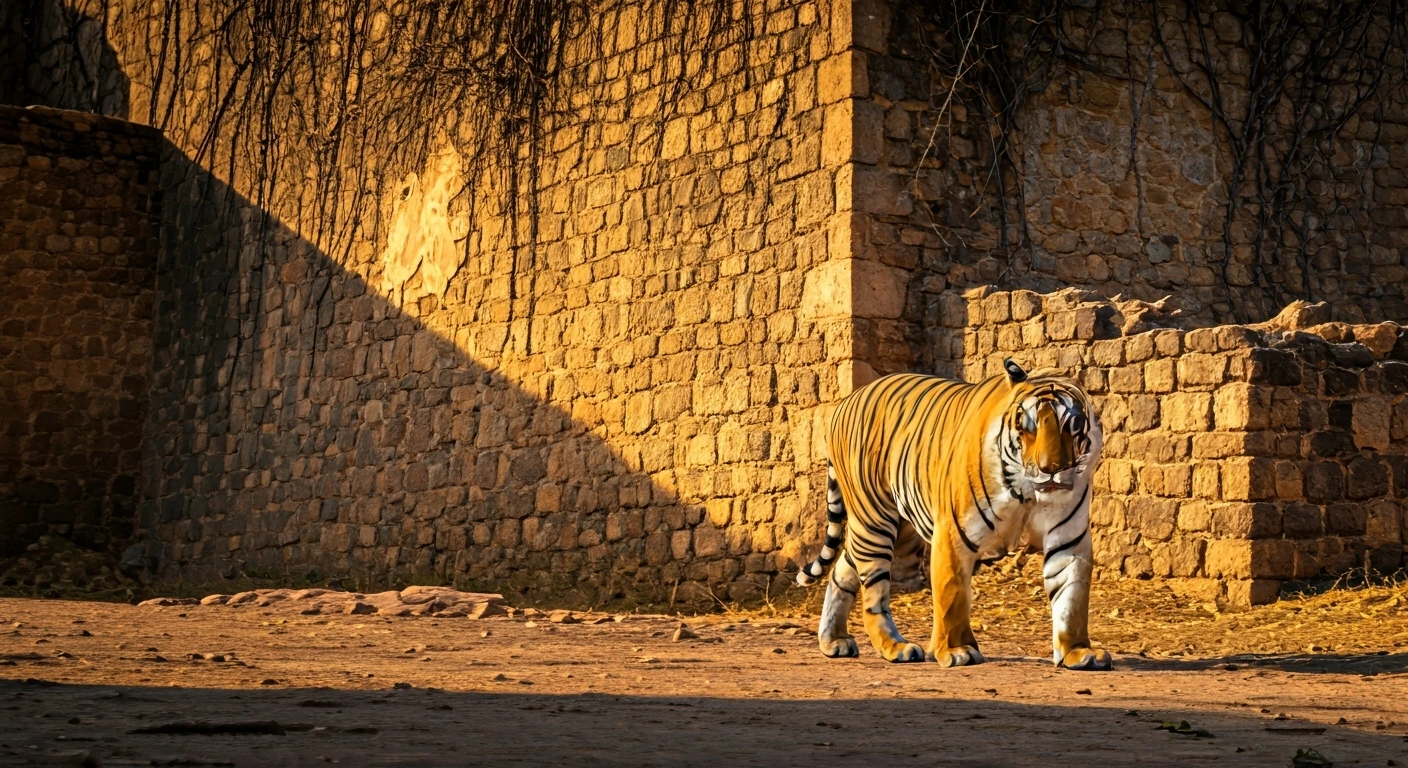
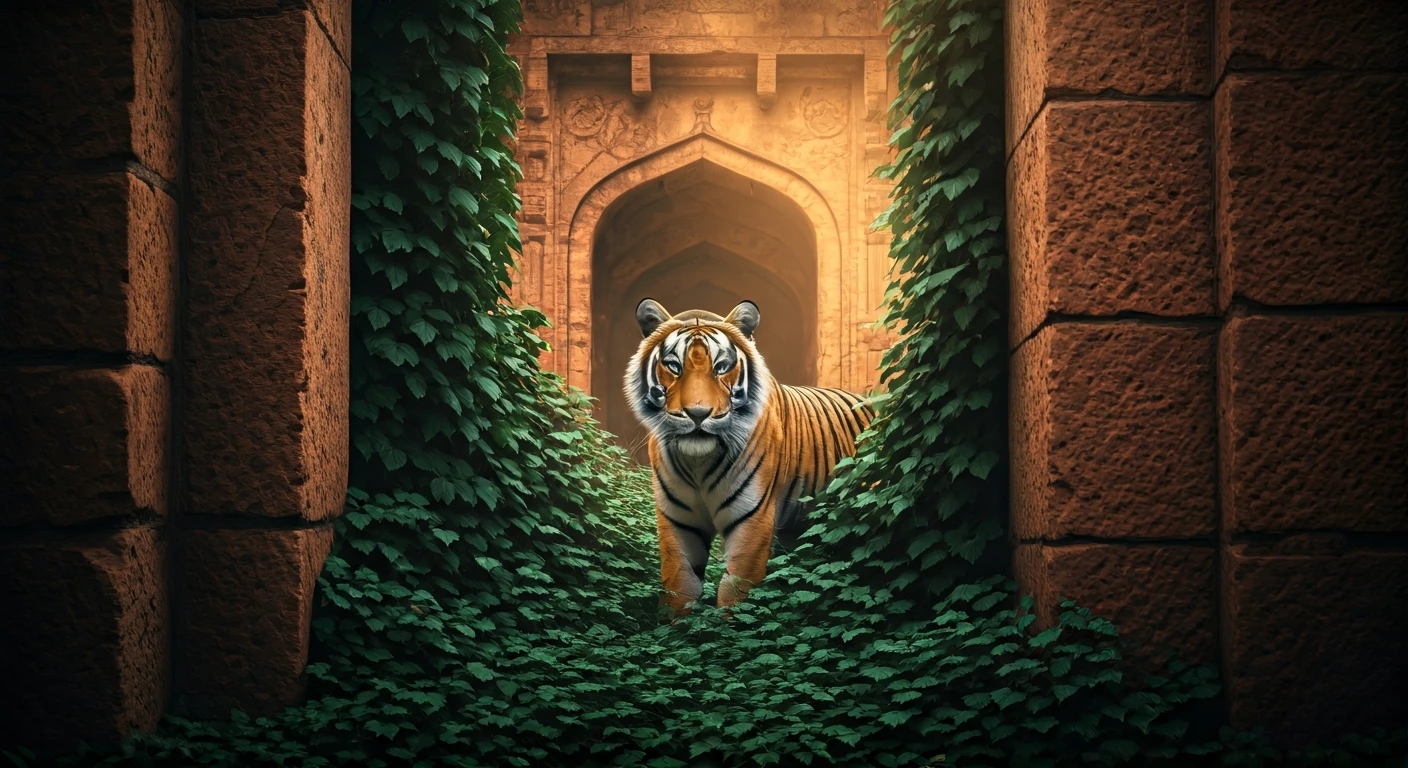
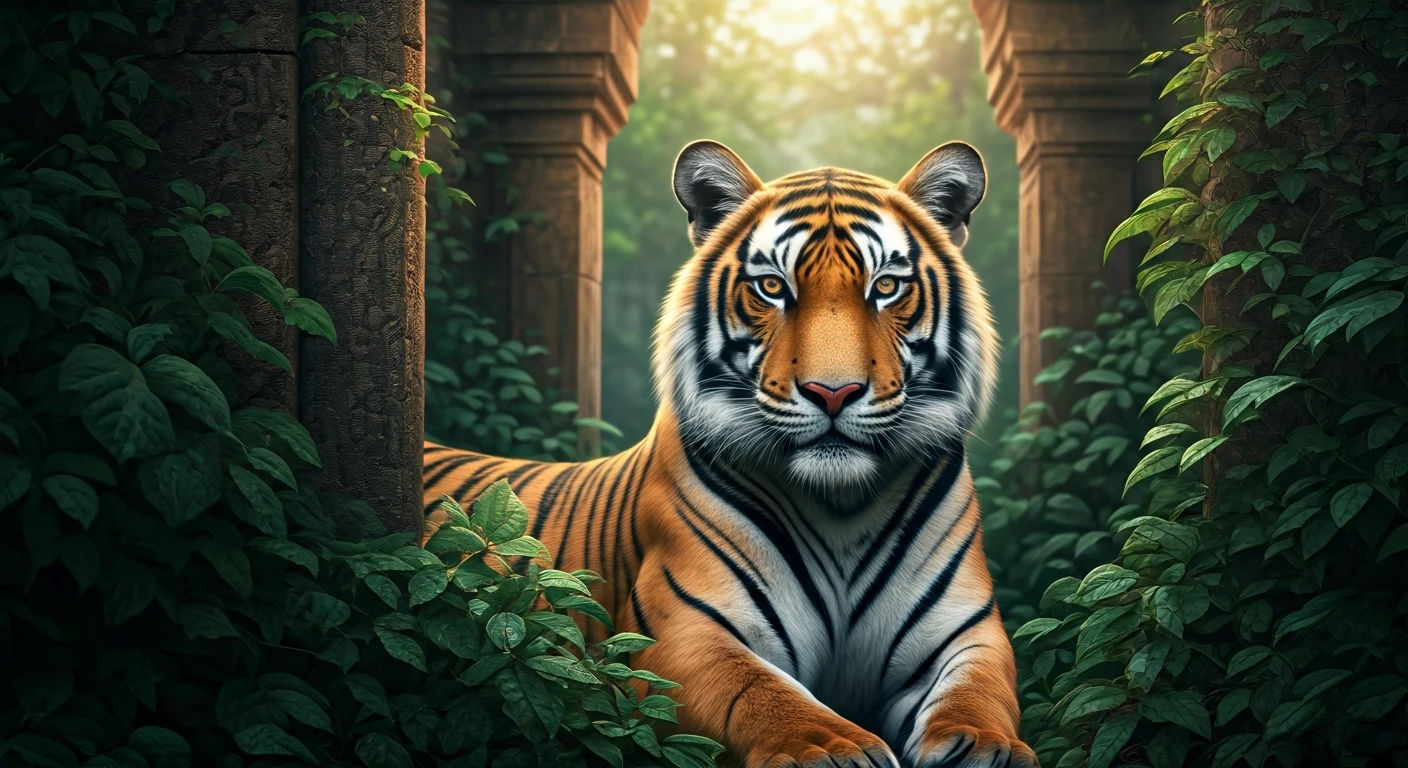
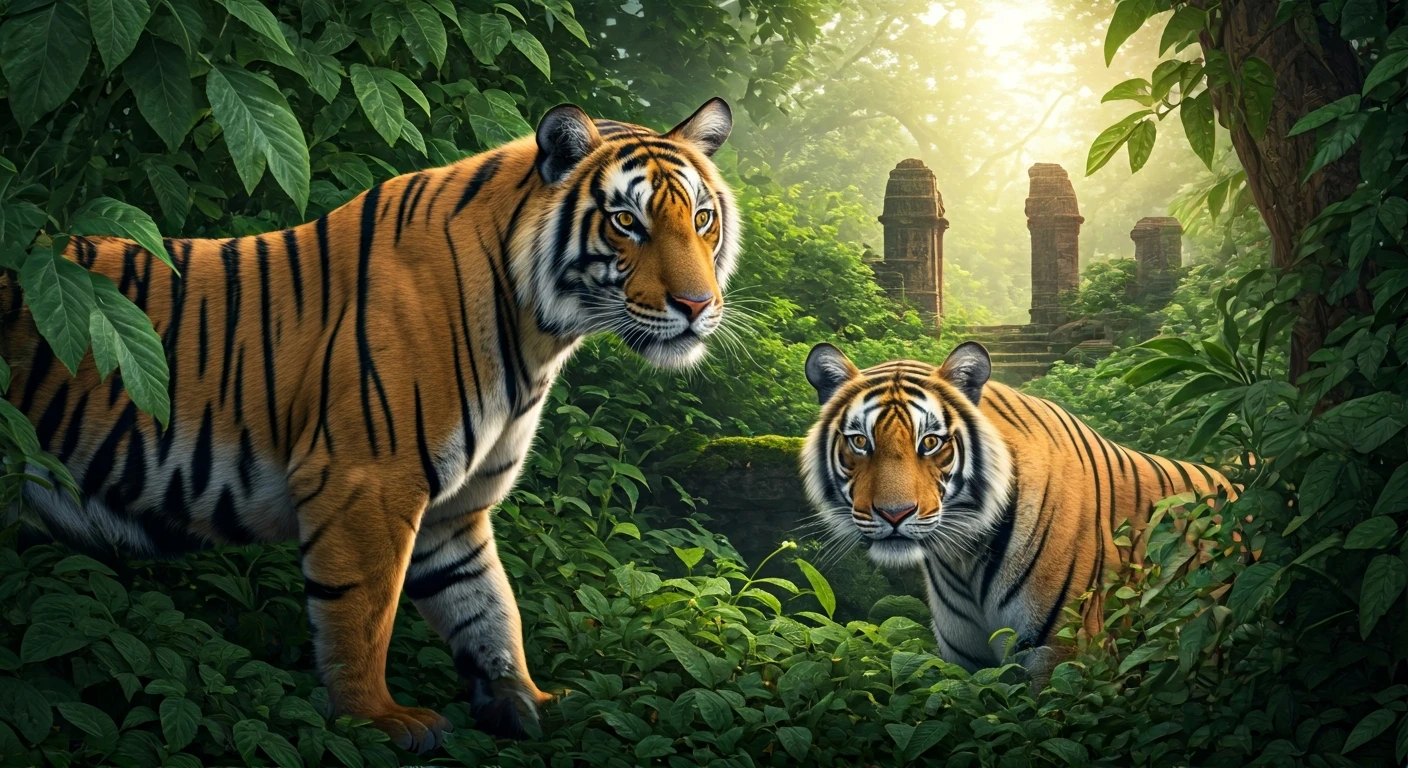
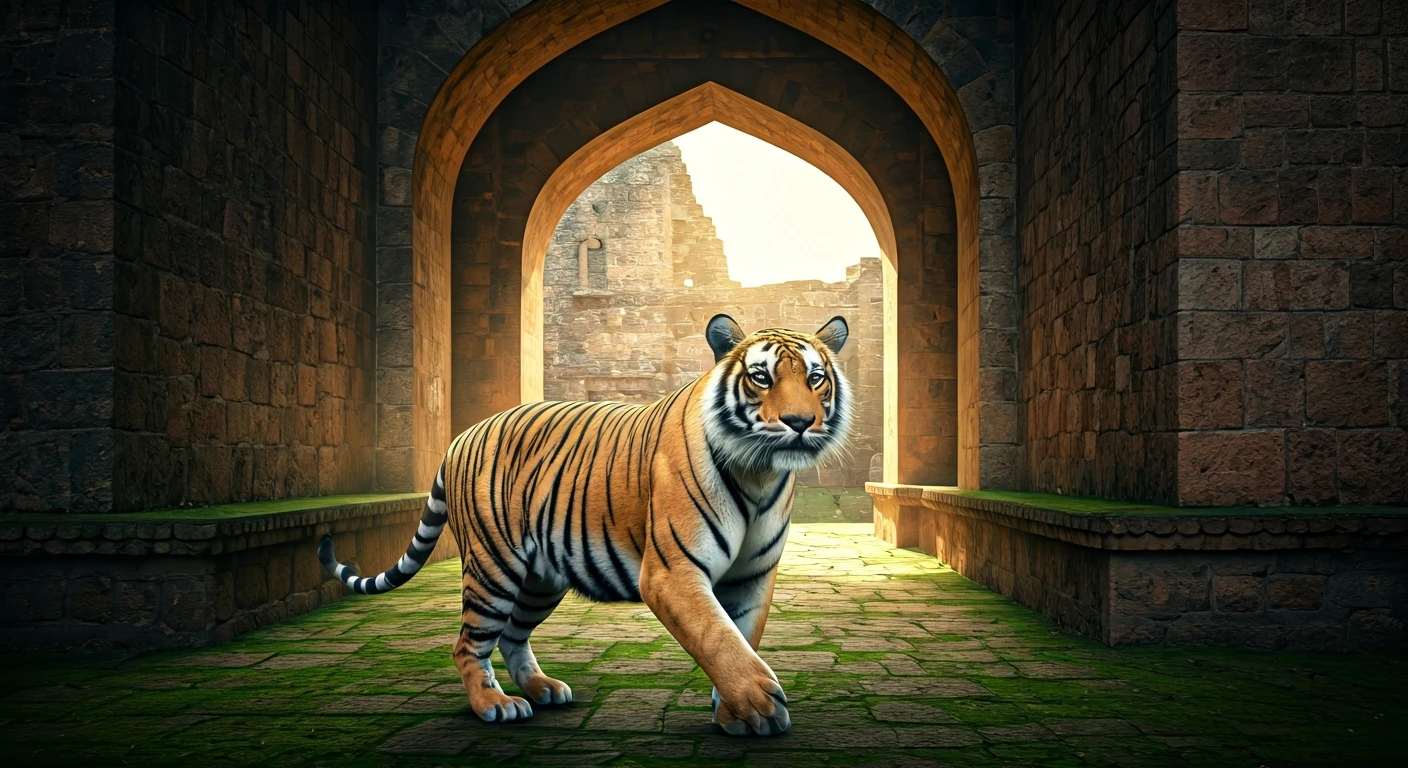
is no better stage for this encounter than Ranthambore National Park in Rajasthan, India.What sets Ranthambore apart from other wildlife reserves is its almost mythical backdrop. This isn’t just a patch of forest; it’s a former hunting ground for the Maharajas of Jaipur. The park is dominated by the immense, 10th-century Ranthambore Fort, a UNESCO World Heritage site whose crumbling ramparts overlook the entire landscape. Ancient temples and forgotten pavilions lie scattered among the trees, slowly being reclaimed by nature. It feels less like a park and more like a lost kingdom—one where tigers now hold the throne.
The Star of the Show
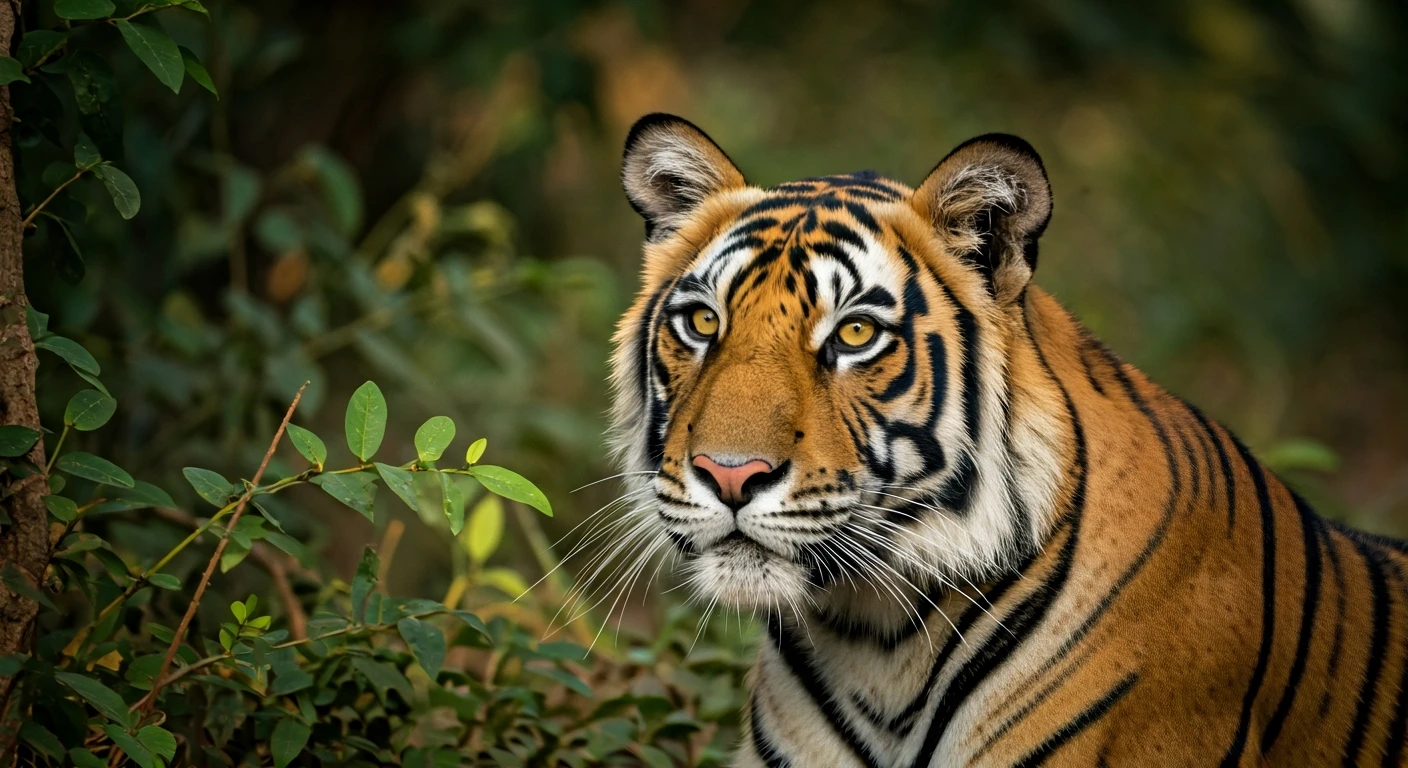
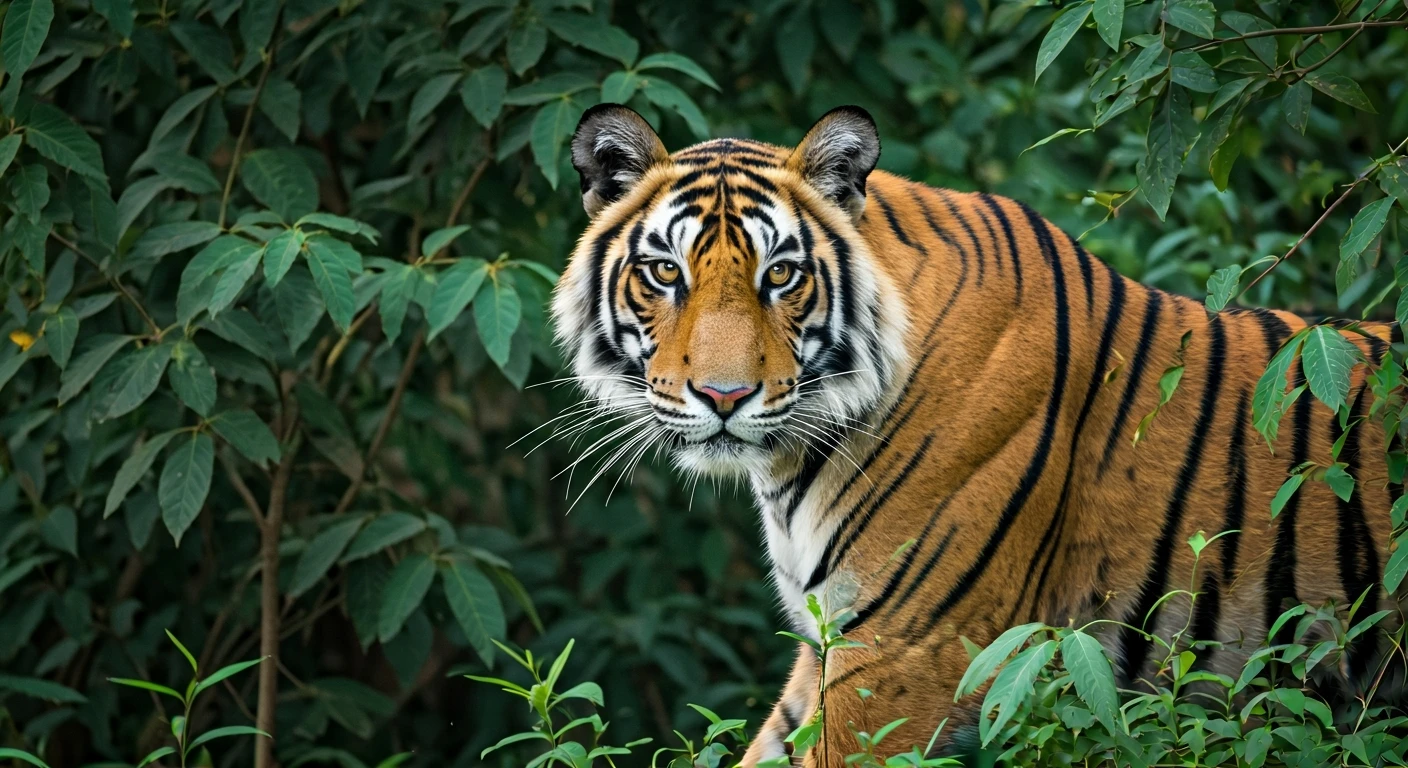
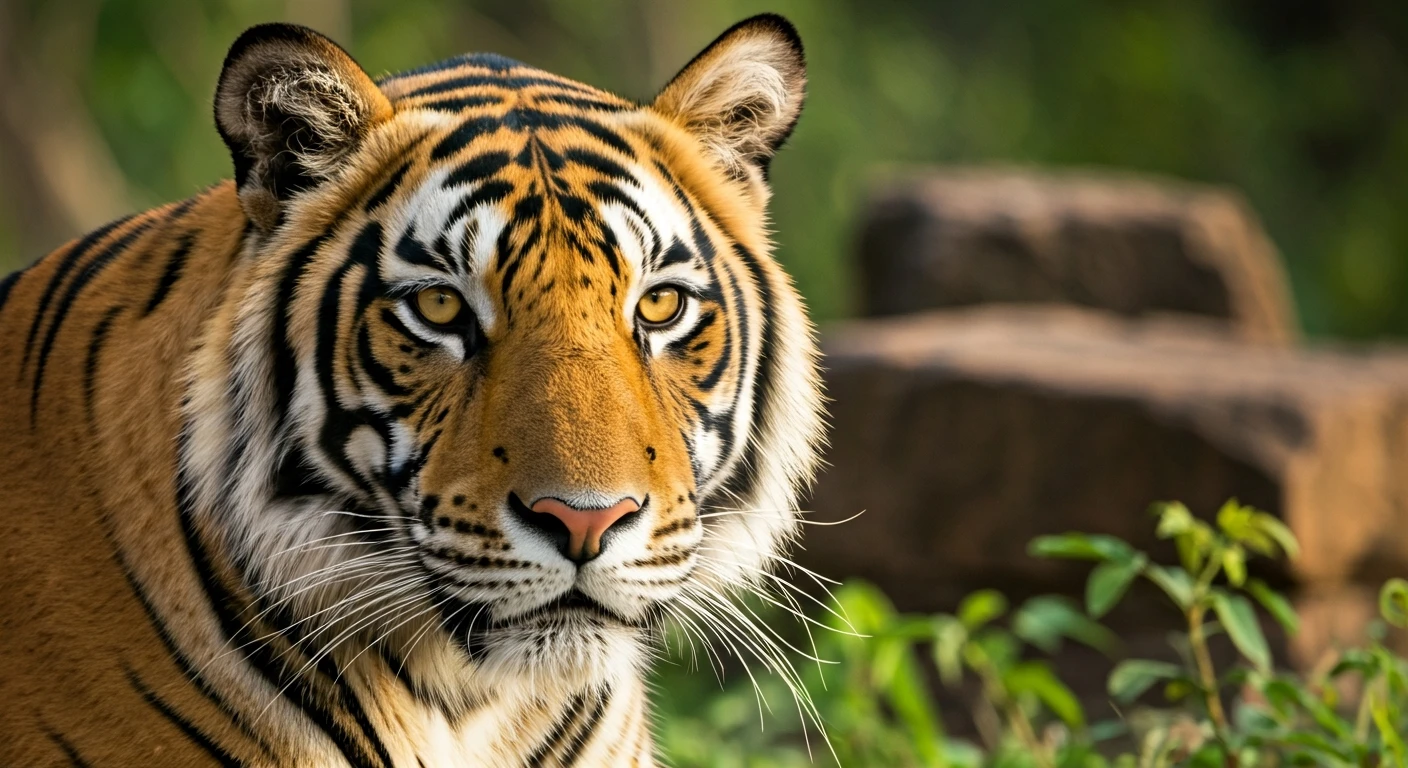
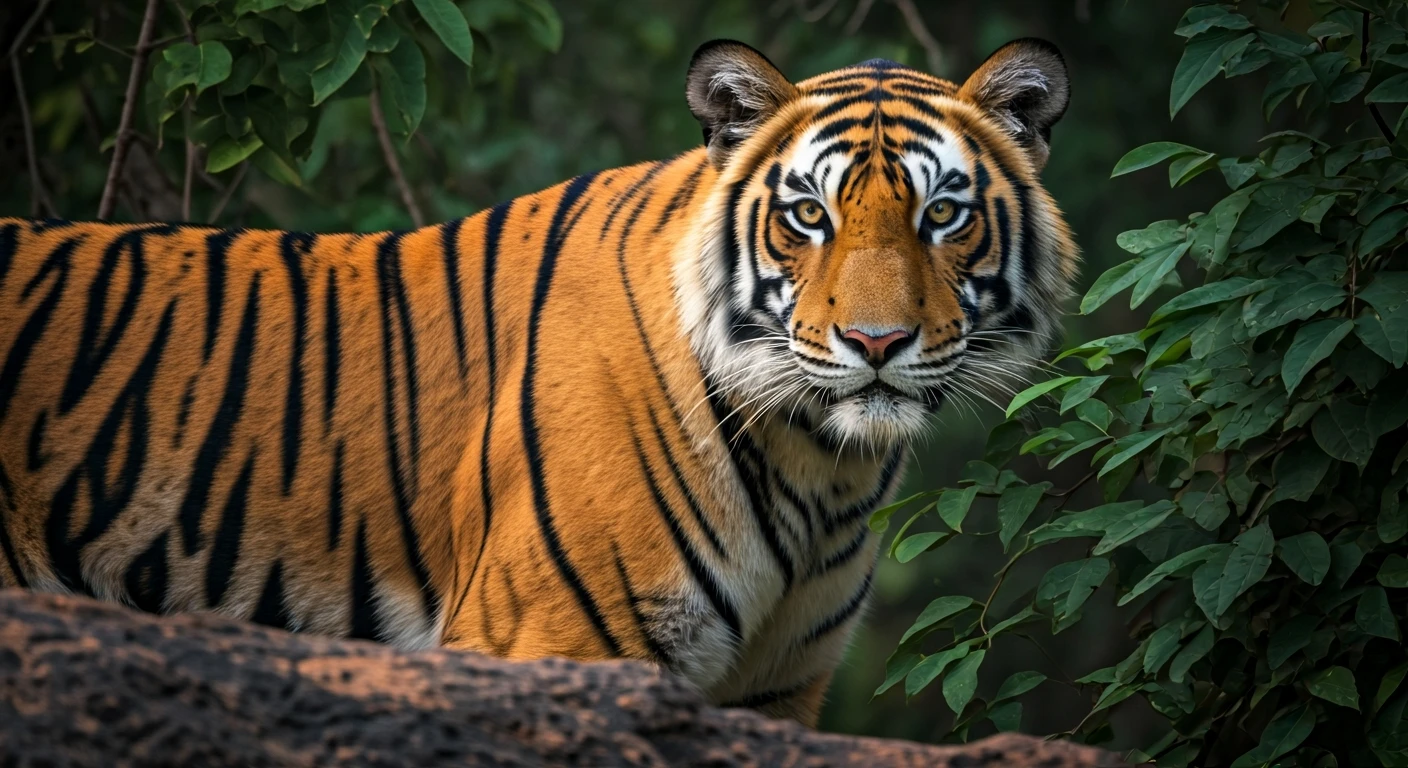
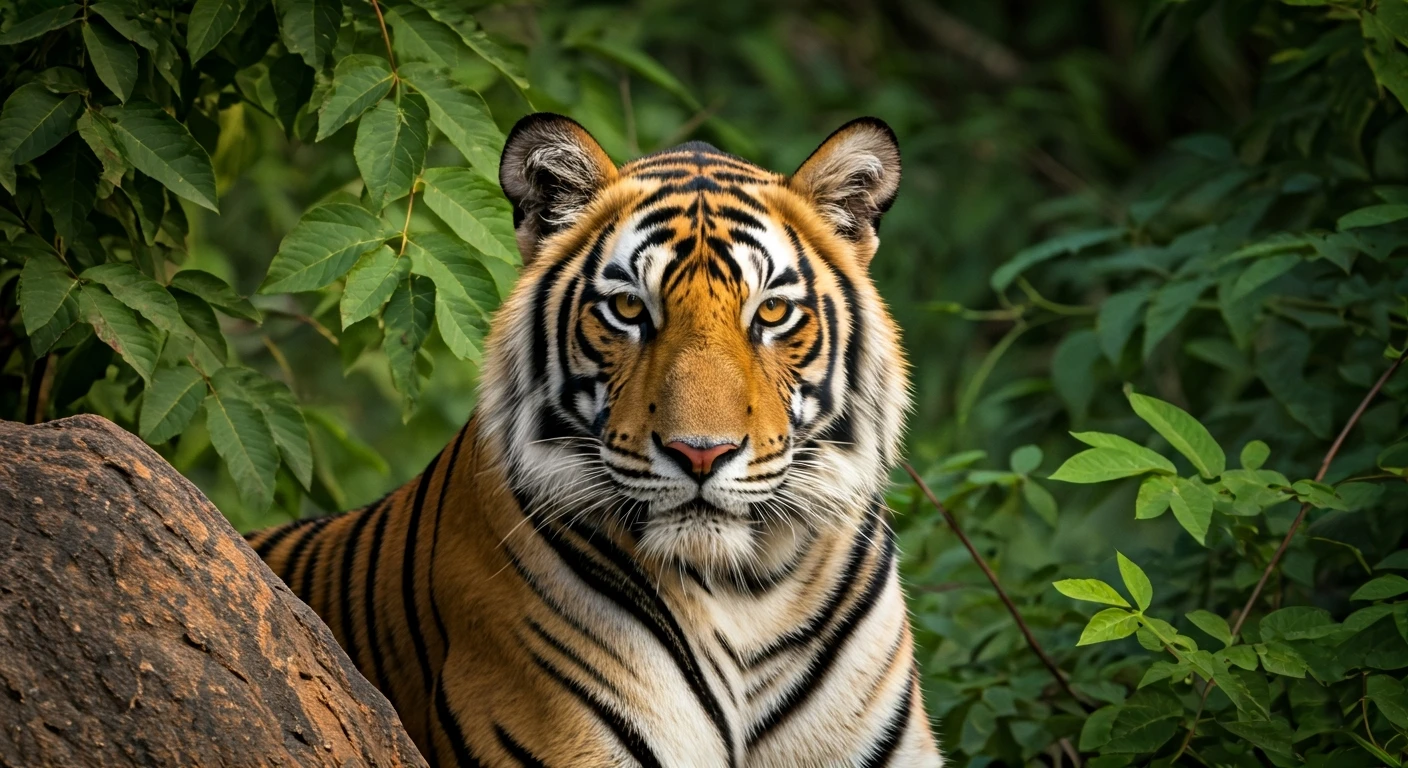
Let’s be clear: people come here for the tigers. And Ranthambore delivers. Thanks to decades of conservation efforts under India’s “Project Tiger,” the park boasts one of the healthiest and most visible tiger populations in the world. While a sighting is never guaranteed in the wild, your odds here are exceptionally good. This is the heart of the “flex”—the very real possibility of locking eyes with one of the planet’s most powerful predators.The tigers of Ranthambore are celebrities in their own right, with guides and locals tracking their lineage and territories like a royal dynasty. Stories of legendary matriarchs like Machli, the “Queen of the Lakes,” who famously battled a crocodile, have become part of the park’s folklore. Seeing one of her descendants patrol the edge of a lake, its reflection shimmering in the water, is a moment that transcends a simple vacation snapshot.
The Thrill of the Chase
A Ranthambore safari is an exercise in pure anticipation. You’ll set out in either a six-seater “Gypsy” jeep or a larger 20-seater “Canter” truck, accompanied by a driver and an expert naturalist guide. The experience is a sensory treasure hunt. Your guide isn’t just looking for a 400-pound cat; they’re reading the forest. They’re listening for the frantic alarm calls of deer or monkeys, which signal a predator on the move. They’re scanning the dusty tracks for fresh pugmarks.The jeep will fall silent. The engine cuts. Everyone holds their breath, scanning the golden grasses and dense dhok trees. Minutes feel like hours. Then, a flicker of orange and black. A massive head lifts, amber eyes meeting yours for a fleeting second before the tiger melts back into the jungle. The collective exhale in the vehicle is one of pure, unadulterated awe. *That’s* the moment. That’s the story you’ll tell for the rest of your life.
More Than Just Stripes
While the tiger is undoubtedly the main event, Ranthambore’s supporting cast is just as impressive. The park is a vibrant ecosystem teeming with wildlife. You’re likely to see herds of spotted deer (chital) and sambar, India’s largest deer. Langur monkeys swing through the trees, and marsh crocodiles bask on the banks of the park's many lakes. If you’re lucky, you might even spot an elusive leopard slinking through the rocky outcrops or a shaggy sloth bear ambling across the track.The park is also a paradise for birders, with over 300 species recorded, from majestic crested serpent eagles to brilliantly colored kingfishers. This biodiversity is what makes Ranthambore a complete experience. The quest for the tiger is what brings you here, but the richness of the entire jungle is what you’ll remember.