







The Nationwide Ritual of Chai and Pakoras
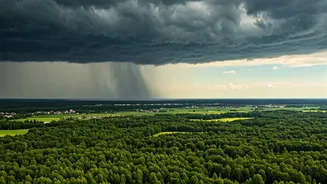
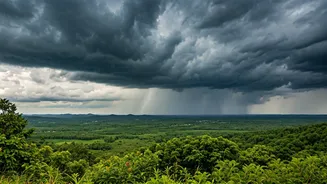
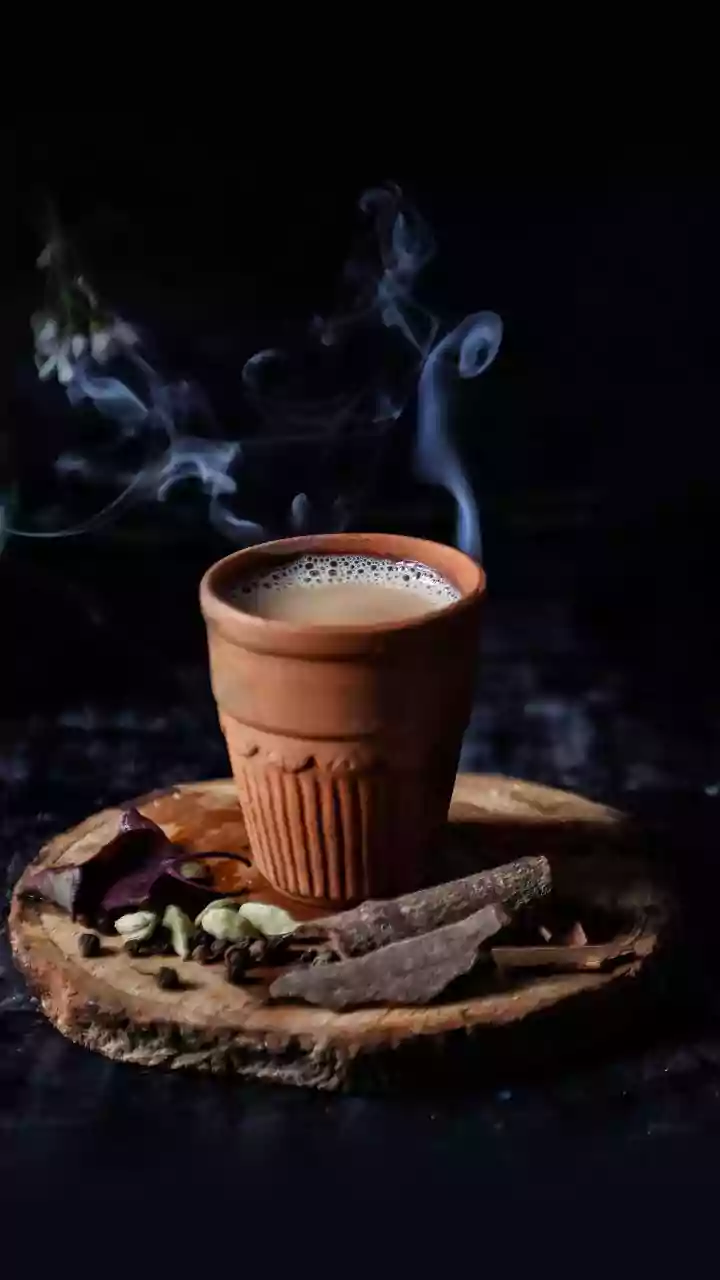
Before diving into specific festivals, it's essential to understand the universal, unofficial celebration that sweeps the nation. When the skies darken and the first downpour begins, an unspoken craving unites millions: a steaming cup of masala chai (spiced
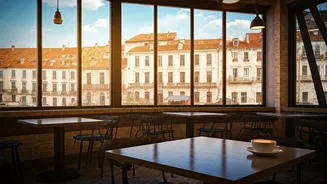
tea) and a plate of hot, crispy pakoras (deep-fried vegetable fritters). From roadside stalls to family kitchens, the sizzle of batter hitting hot oil is the soundtrack to the monsoon's arrival. This simple pairing isn't just a snack; it's a multisensory experience that captures the cozy, comforting feeling of being sheltered from the rain. It represents a collective pause, a moment to sit by a window, watch the rain, and savor the relief from the oppressive summer heat.
The Swings and Saris of Teej in the North
In the northern states, particularly Rajasthan and Uttar Pradesh, the monsoon ushers in Teej, a vibrant festival primarily celebrated by women. Marking the reunion of the goddess Parvati with Lord Shiva, it’s a celebration of marriage, nature’s renewal, and sisterhood. Women dress in their finest green and red saris, representing the lushness of the season, and apply intricate henna designs to their hands. The most iconic image of Teej is of women on large, decorated swings (jhulas) hung from tree branches. As they swing high into the air, they sing traditional monsoon songs. The festival is a beautiful spectacle of color and joy, transforming arid landscapes into a sea of green and celebrating the life-giving power of the rains.
A Leap of Faith at Goa’s Sao Joao Festival
While most of India welcomes the monsoon with serene or spiritual rituals, the coastal state of Goa does it with a splash—literally. The Sao Joao festival, celebrating the feast of St. John the Baptist, is an exuberant and unique Catholic tradition with a monsoon twist. According to legend, St. John leaped for joy in his mother’s womb, and to honor this, young men and boys take gleeful leaps into overflowing local wells, streams, and ponds. Wearing crowns of flowers and leaves called ‘copels,’ revelers sing and shout “Viva Sao Joao!” as they make their playful plunges. It’s a loud, joyous, and slightly chaotic carnival that embodies the high-spirited relief of the rains in this tropical paradise.
Kerala’s Post-Monsoon Harvest of Onam
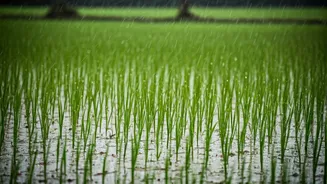
In the southern state of Kerala, known as “God’s Own Country,” the celebration is tied to the monsoon’s glorious aftermath. Onam, the state's biggest and most important festival, is a harvest celebration that takes place after the rains have nourished the land. The 10-day festival is a stunning display of culture. Homes are decorated with intricate floral carpets called ‘pookalam,’ families gather for a massive vegetarian feast called the ‘Onam Sadhya’ served on banana leaves, and the backwaters come alive with the thrilling ‘Vallam Kali,’ or snake boat races. Dozens of oarsmen paddle in unison, chanting rhythmically, as massive, canoe-like boats slice through the water. Onam is a powerful reminder of the monsoon's ultimate promise: abundance and prosperity.
The Dual Romance and Reality in Mumbai
In India's bustling megacities, the monsoon has a more complex identity. For Mumbai, a city built on reclaimed land, the rains are both a muse and a menace. The romantic side is immortalized in countless Bollywood films: couples sharing an umbrella on Marine Drive, the city washed clean, the relief from the humidity. It’s a time for long drives and seaside snacks. However, the monsoon is also a time of great challenge. The same rains can bring the city to a standstill with flooding, disrupting the relentless pace of life and testing the resilience of its residents. This duality—the romantic ideal versus the practical struggle—is the defining feature of the urban monsoon experience, a yearly drama of beauty and chaos.