


India's Majestic 'Sea of Milk'
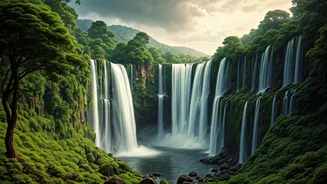
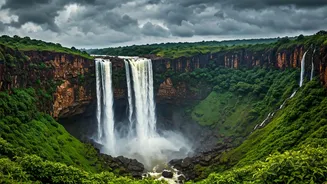
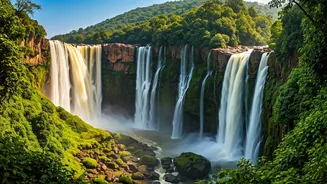
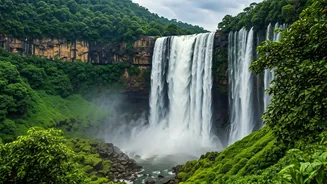
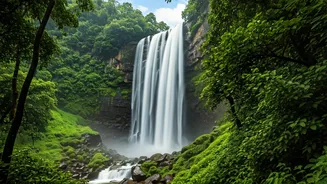
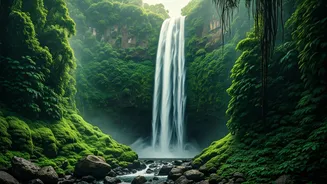
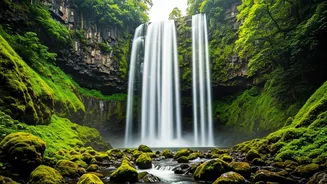
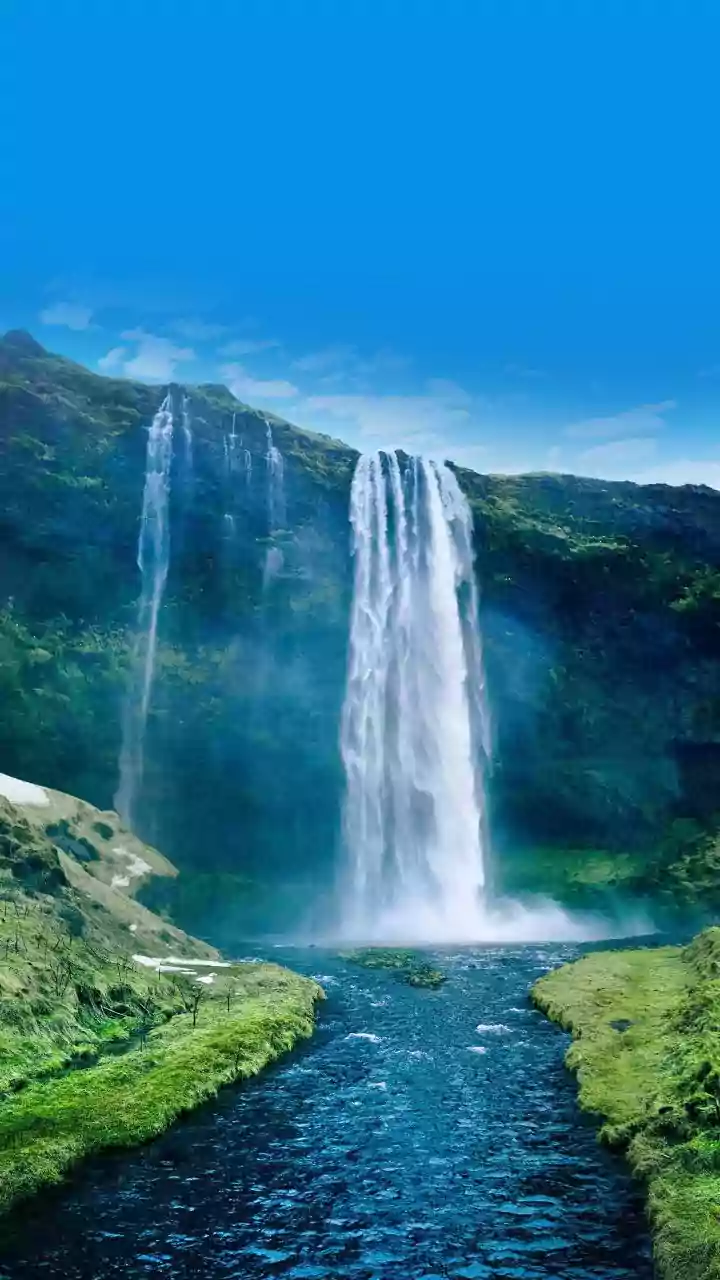
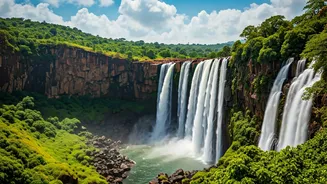
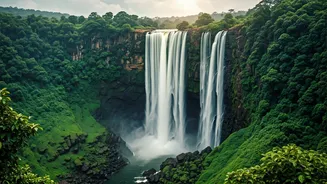
Tucked away in the lush Western Ghats on the border of Goa and Karnataka, Dudhsagar Falls isn't just another waterfall. Its name translates from the local Konkani language to “Sea of Milk,” and one look is all it takes to understand why. During its peak,
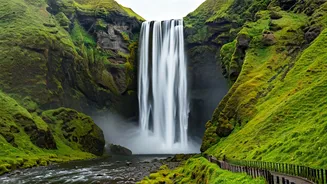
the four-tiered cascade plunges over 1,000 feet, not as a clear sheet of water, but as a thick, churning, brilliantly white torrent. The sheer volume of water creates an illusion of milk foaming down the mountainside, a stunning spectacle of nature's raw power. It’s one of India’s tallest waterfalls and a centerpiece of the Bhagwan Mahaveer Sanctuary and Mollem National Park, a biodiversity hotspot teeming with life.
Why the Monsoon Is Magic
For most travel destinations, the rainy season is the off-season. Not here. From June to September, the Indian monsoon unleashes its full force, and Dudhsagar is reborn. What might be a more modest, segmented stream during the dry winter months swells into a singular, thunderous entity. The roar becomes deafening, a constant bass note you feel in your chest. A fine mist, so dense it’s like a cloud, billows hundreds of feet into the air, drenching the surrounding jungle and anyone brave enough to get close. This is the “rainy-day reward” in its purest form: witnessing a natural wonder at the peak of its power, a time when the falls feel less like a feature of the landscape and more like the landscape's very heart, beating with furious energy.
The Journey Is Part of the Adventure
Reaching this remote spectacle is an experience in itself. You can't just drive up and park. The most popular method is a bone-rattling, 45-minute jeep safari from the nearby village of Kulem. These 4x4s ford rivers and navigate muddy tracks through the dense national park, adding a layer of rugged adventure to the day. The journey feels like a genuine expedition into the wild. Alternatively, for a truly iconic view, you can take a train. The railway line from Vasco da Gama to Londa cuts directly across the front of the falls, crossing a stone bridge that offers passengers a breathtaking, if fleeting, panorama. For a few moments, the train slows, and travelers press against the windows to see the “Sea of Milk” crashing down just yards away—a view that has become one of India’s most famous travel snapshots.
More Than Just a View
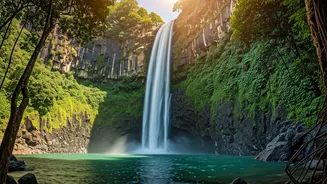
The reward at the end of the jeep trail is a large, deep plunge pool at the base of the falls. During the drier seasons, this is a popular swimming spot, a cool respite from the Goan heat. During the height of the monsoon, swimming is often prohibited for safety reasons, as the current becomes incredibly strong. But even without a swim, the payoff is immense. You can stand on the rocks, feel the spray on your face, and be humbled by the sheer scale and sound of the water. The surrounding area is a vibrant ecosystem. You’re in a protected jungle, so keep an eye out for monkeys and exotic birds. The falls aren't a passive viewing experience; they are an immersive, multi-sensory event that makes you feel small in the best possible way.