



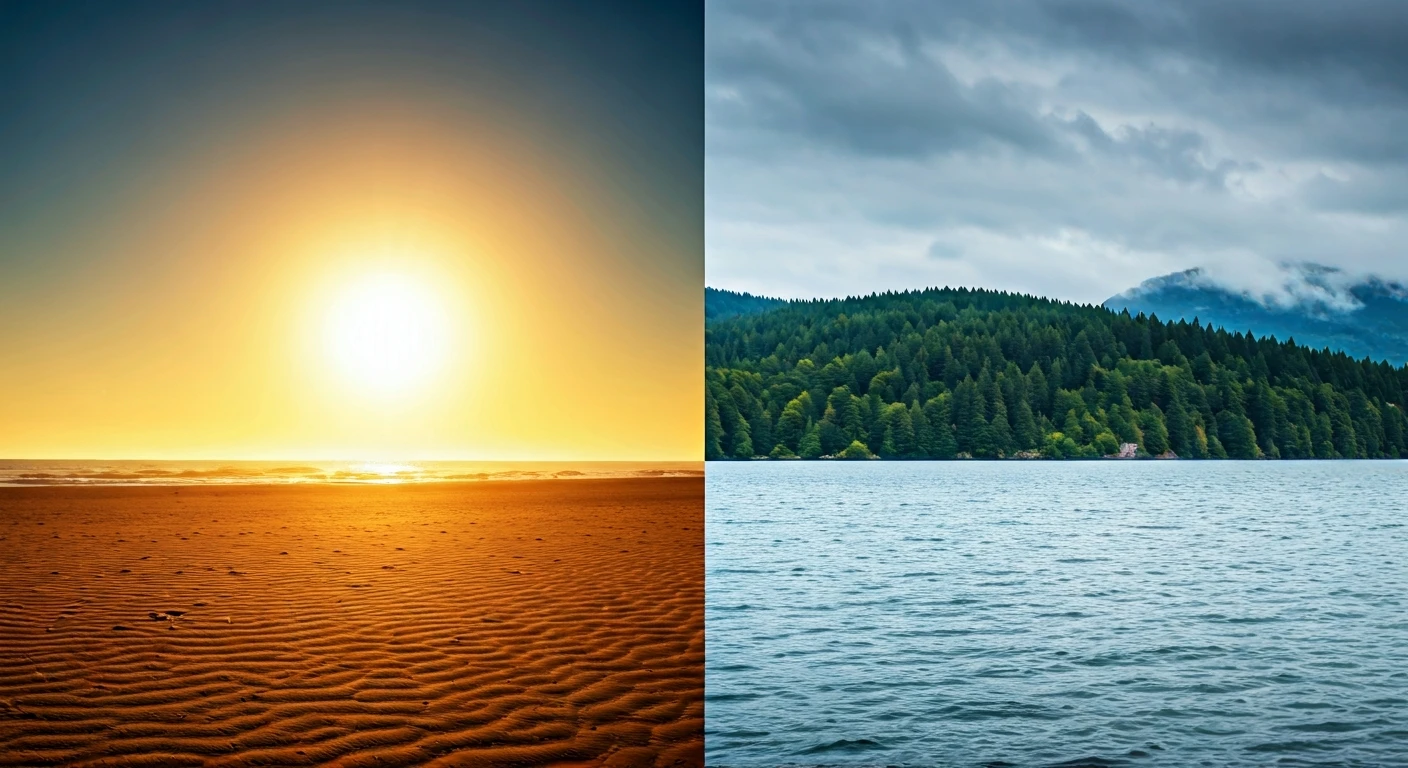


So, What Is Temperature-First Travel?
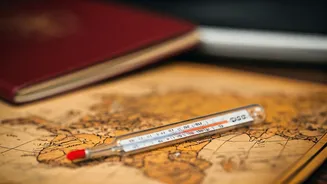
At its core, temperature-first travel is exactly what it sounds like: prioritizing a specific weather condition—usually a comfortable temperature range—above all other factors when choosing a vacation spot. Instead of locking in a destination and hoping
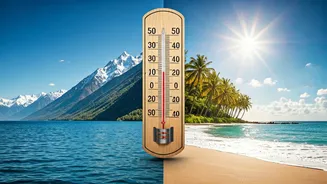
for good weather, these travelers let their ideal climate lead them to a destination. Someone living through a brutal Phoenix summer might not care if they go to San Diego or Seattle, as long as they can find a place that’s a breezy 68 degrees. It represents a fundamental shift in logic, moving from a destination-led model ('I want to see the Eiffel Tower') to a condition-led one ('I want to wear a light jacket and sit outside comfortably'). This approach turns the entire globe into a list of potential options, filtered not by landmarks or culture, but by degrees Fahrenheit.
The Forces Driving the Shift
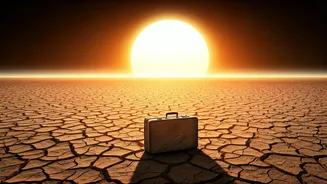
Two major forces are fueling this trend. The first is the undeniable impact of climate change. With record-breaking heat domes, unpredictable cold snaps, and wildfire smoke choking entire regions, escaping unpleasant or even dangerous weather at home has become a primary travel motivator. People aren't just seeking pleasure; they're seeking refuge. These 'cool-cations' or 'climate getaways' are no longer a niche idea but a practical response to a warming planet. The second driver is the post-pandemic normalization of remote and flexible work. Untethered from a physical office and rigid vacation schedules, millions of Americans now have the freedom to travel more spontaneously. If a heatwave is forecast for next week, they can pack a bag and work from a cooler city without burning precious PTO, turning a weather forecast into an actionable travel plan.
From Destination to Condition
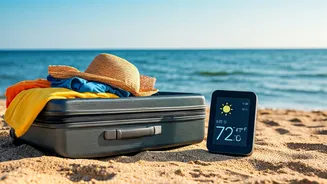
This new habit reflects a deeper change in what we value in travel. The classic 'bucket list' of must-see places is being supplemented, and in some cases replaced, by a desire for a certain feeling or experience. The goal isn't just to see something, but to *feel* something—relaxed, comfortable, and refreshed. Weather is a massive component of that feeling. A trip to a beautiful city can be ruined by oppressive humidity or freezing rain. By putting temperature first, travelers are essentially guaranteeing the core experiential quality of their trip. They are curating a vibe. This also democratizes travel destinations; a small, lesser-known town in Michigan might suddenly become a hotspot in August, not for its attractions, but for its perfect 72-degree afternoons.
Your Temperature-First Toolkit
This trend wouldn't be possible without the digital tools that enable it. Travel search engines have been quick to adapt. Kayak's 'Explore' feature, for example, allows users to see a world map with destinations filterable by month and, crucially, by temperature. You can literally ask it to show you every place in the world that will be between 70 and 80 degrees in October. Google Flights offers similar map-based exploration that can be cross-referenced with weather data. Apps like Weather on the Way are designed for road-trippers to plan their routes around optimal conditions. For travelers, it means planning a trip can start to feel less like research and more like a game of discovery, spinning the globe to find your personal paradise for the week.
The New 'Shoulder Season'
As more people adopt a temperature-first mindset, it could reshape the tourism landscape. Traditional 'off-seasons' might see a surge in popularity. Think the desert Southwest in January or the Gulf Coast in November—times previously considered too cool for a primary vacation. Conversely, peak summer in southern Europe or the American South may become less desirable as heatwaves become more common. This shift could help distribute the economic benefits of tourism more evenly throughout the year and across different regions. It challenges the old, rigid calendar of travel and replaces it with a fluid, responsive system where the 'best' time to go anywhere is simply when the weather is right for you.