

The Problem with Packaged Paneer
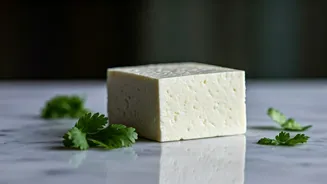
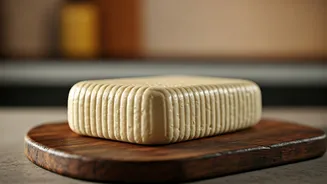
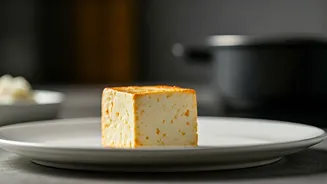
Let’s be honest: for most of us in the U.S., paneer comes from a vacuum-sealed block in the grocery store's refrigerated section. This isn't a bad thing—it’s convenient and widely available. But that convenience comes with a textural trade-off. To ensure
a long shelf life and make it sturdy enough to survive shipping, commercial paneer is pressed firmly to expel as much whey and water as possible. The result is a dense, firm block that’s great for slicing but prone to becoming tough and rubbery when cooked. When you drop cubes of this cold, dense paneer directly into a hot pan or a bubbling sauce, its proteins seize up. Instead of absorbing the flavors of the curry, the paneer tightens, creating that signature squeak against your teeth. It remains a separate entity in the dish, a chewy cube floating in a sea of delicious sauce, rather than becoming an integrated, tender part of the meal. This is the textural disconnect that leaves so many home-cooked Indian dishes feeling like they're missing something.
The 15-Minute Kitchen Miracle
Here is the extra move, the game-changing step that separates amateur efforts from restaurant-quality results: give your paneer a hot bath. It’s that simple. Before you do anything else with it, you’re going to soak it. This small investment of time pays off with a shockingly superior texture. Here’s the method: 1. Unwrap your block of paneer and cut it into the desired size—cubes, triangles, or planks. 2. Place the cut paneer into a heatproof bowl. 3. Bring a kettle of water to a boil. Pour the hot water over the paneer until it’s fully submerged. 4. Add a generous pinch of salt to the water. This gently seasons the cheese from the inside out. 5. Let the paneer soak for 15 to 20 minutes. When the time is up, you’ll notice an immediate difference. The paneer will feel softer and more pliable to the touch. Gently drain the water, pat the cubes dry with a paper towel if you plan to fry them, and proceed with your recipe. You have just fundamentally changed the nature of your main ingredient for the better.
Why This Simple Soak Works Wonders
This isn't just an old wives' tale; there's simple food science at play. Paneer is a fresh, unaged cheese made of milk solids (mostly casein protein) that have been curdled and pressed. The firmness of store-bought paneer is due to this tight, dense network of proteins. Soaking it in hot water accomplishes two key things. First, it rehydrates the cheese. The hot water seeps into the protein structure, replacing moisture that was lost during the commercial pressing process. Second, and more importantly, the heat relaxes that tense protein network. Instead of a tight, rubbery matrix, the paneer’s internal structure becomes softer and spongier. This transformation means that when you add it to your dish, it’s already primed to absorb sauce and flavor. It won't seize up and turn into a hockey puck in your palak paneer. Instead, it will be tender, succulent, and melt-in-your-mouth soft, just like it is at your favorite Indian restaurant.
When to Use This Trick (and When to Skip It)
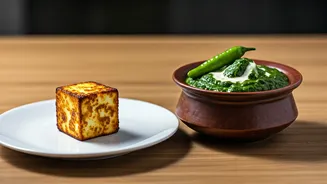
This technique is a non-negotiable for any dish where the paneer is simmered in a sauce. For classics like paneer butter masala, shahi paneer, palak paneer, or matar paneer, a pre-soak is essential. These dishes are defined by their creamy, luxurious texture, and a soft, yielding paneer is critical to achieving that effect. It ensures every bite is a harmonious blend of sauce and cheese. However, there are a few exceptions. If you're making a dish where a crispy exterior is the goal, you might adjust your approach. For paneer tikka that’s destined for the grill or an air fryer, you want a firmer texture that can withstand high, dry heat and develop a nice char without falling apart. In this case, you might opt for a shorter soak (just 5-10 minutes) to take the refrigerated chill off, or even skip it entirely. The same applies if you’re pan-frying paneer to be a crispy topping for a salad. But for the vast majority of popular paneer dishes, this soak is the secret weapon you’ve been missing.