






What is Forecast-Driven Travel?
At its core, forecast-driven travel is the practice of letting weather and climate predictions guide your vacation choices. Instead of locking in a destination and dates far in advance, this approach prioritizes flexibility. It exists on a spectrum. On
one end, you have spontaneous travelers who use 7- to 10-day weather forecasts to book last-minute trips, chasing sunshine or perfect ski conditions. On the other end are strategic planners who use long-term climate data to avoid regions prone to modern disruptions like extreme heatwaves, wildfire smoke, or hurricanes. It’s less about picking a place and hoping for the best, and more about identifying the best conditions and going there.
A Response to a Changing Climate
This trend isn’t just about convenience; it’s a direct response to an increasingly unpredictable world. As summers get hotter, fire seasons get longer, and storms become more intense, the risk of a dream vacation turning into a natural disaster nightmare grows. We’ve all seen the headlines: tourists fleeing Rhodes due to wildfires, Hawaiian vacations ruined by smoke, or European city breaks marred by triple-digit “heat domes.” Travelers are becoming more risk-averse. They’re looking at seasonal outlooks and steering clear of the U.S. Gulf Coast during peak hurricane season or avoiding the Mediterranean in August. This isn’t pessimism; it's pragmatism. The goal is to maximize enjoyment by minimizing the chance of disruption, turning climate data into a powerful trip-planning tool.
The Short-Term Spontaneous Trip
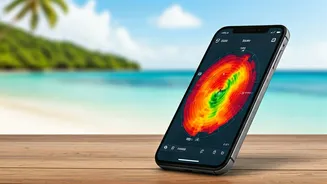
The most exciting application of this trend is the last-minute getaway. Imagine it’s Wednesday and you see a forecast for a perfect, sunny 75-degree weekend in a city a short flight away, while your hometown is expecting rain. Armed with this knowledge, you can hop on a booking app and snag a flight and hotel. This requires a flexible schedule and a willingness to be spontaneous, but the payoff is a near-guaranteed great weather experience. Travel companies are leaning into this, with apps and deal-finder sites making it easier than ever to search for destinations based on desired weather conditions. It transforms the forecast from a simple daily update into an actionable source of travel inspiration.
The Long-Term Strategic 'Coolcation'
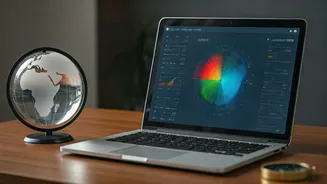
While spontaneity is fun, the more significant shift is in long-range planning. Enter the “coolcation”—a trip planned specifically to escape the oppressive heat of summer. Instead of flocking to traditional sun-drenched hotspots, travelers are using climate patterns to seek out milder destinations. Think Scandinavia, Canada, or the Pacific Northwest in July instead of Las Vegas or Southern Spain. This approach involves looking at historical climate data and long-term seasonal forecasts to bet on comfort and stability. It reflects a fundamental change in what travelers value. Increasingly, the ultimate luxury isn’t a five-star hotel, but a guarantee of pleasant, breathable, and safe weather.
Is This the Future of Travel?
There are, of course, limitations. Forecast-driven travel works best for those with flexible jobs and no school-age children. Booking last-minute can sometimes be more expensive, though it can also unlock deals on unsold inventory. And it’s far more practical for domestic trips than for complex, multi-country international itineraries that require extensive planning. However, the mindset shift is undeniable. As weather becomes more extreme and less predictable, treating forecasts as a primary search filter rather than an afterthought is likely to become standard operating procedure for a growing number of savvy travelers. It puts power back in the hands of the consumer, allowing them to adapt to an ever-changing world.