



Layer with Earthy Colors
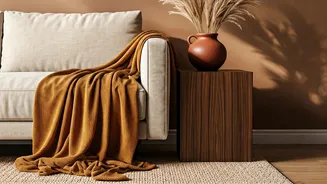
The foundation of this trend is its color palette, which borrows directly from the outdoors. Think less about stark whites and clinical grays and more about muted, comforting shades that evoke soil, sand, and foliage. Terracotta, desert sand, olive green,
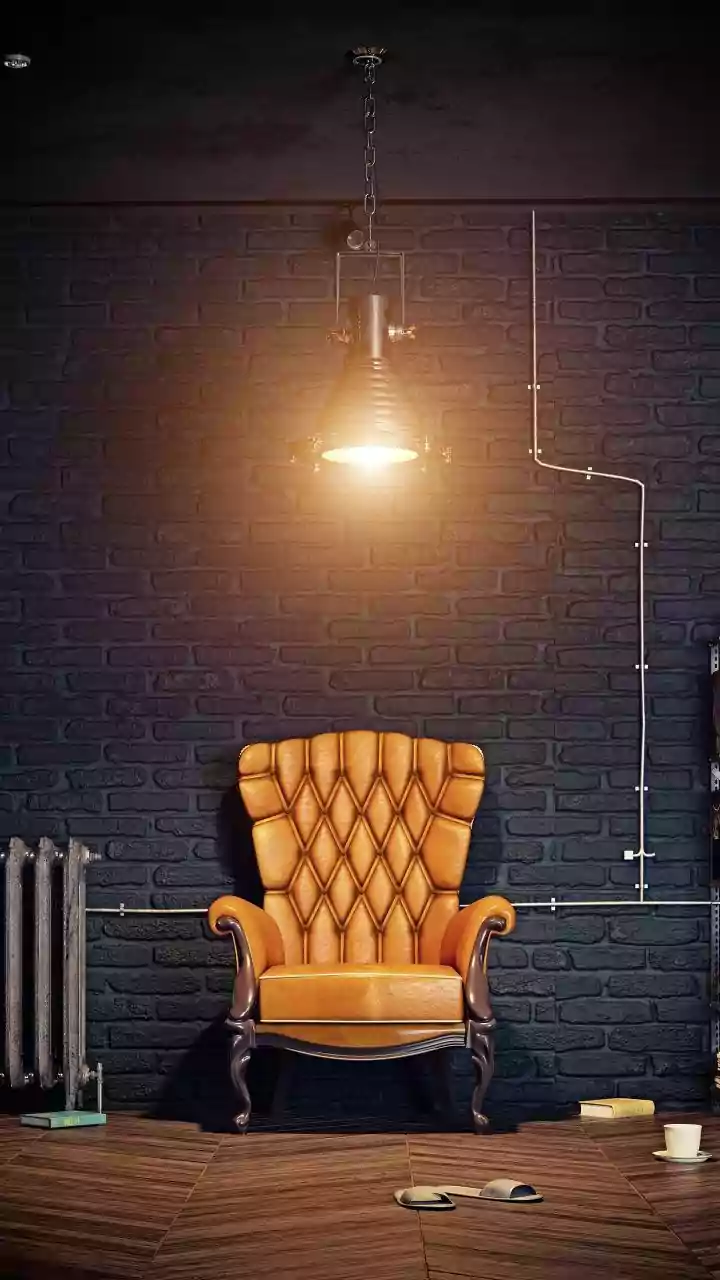
and rich ochre create an immediate sense of warmth and stability. These colors are incredibly versatile and can be used on walls, in textiles, or as powerful accent pieces. They work beautifully together, creating a layered, cohesive look that feels both sophisticated and deeply relaxing. You don't need a full repaint; painting a single accent wall in a warm clay color or swapping out bright pillows for ones in shades of moss and rust can instantly transform the mood of a room.
Prioritize Natural Materials
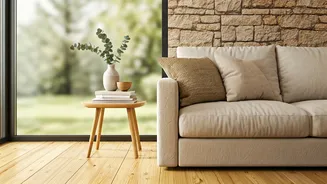
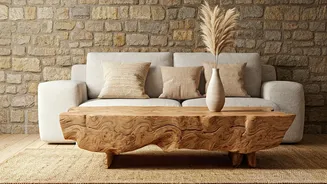
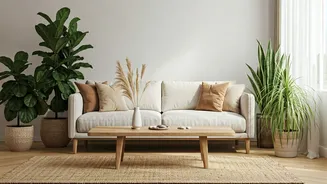
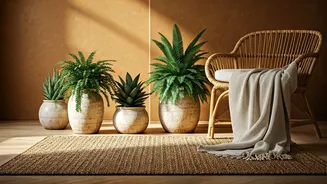
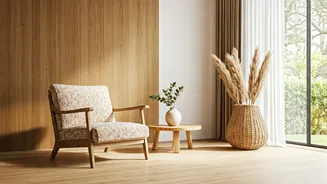
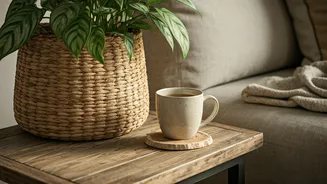
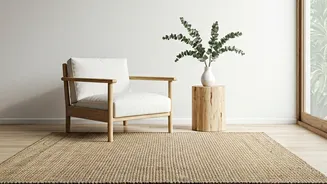
Move over, plastic and chrome. The warm and natural look is all about materials that feel real and honest to the touch. Unfinished or light-wash woods, rattan, bamboo, and jute are the undisputed stars of this aesthetic, appearing in furniture, lighting, and decor. In the living room, this could manifest as a solid oak coffee table or a large jute rug that anchors the space. In the kitchen, think stone countertops, slate cheese boards, or handmade ceramic dishware. These materials not only add visual warmth but also introduce a variety of textures that make a space feel more dynamic and lived-in. They connect our indoor spaces to the environment, satisfying an almost primal desire for nature.
Bring the Outdoors In
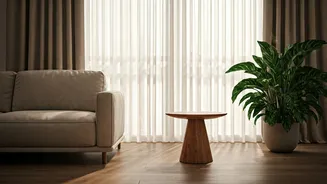
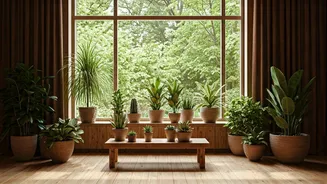
Biophilic design—the concept of connecting humans with nature in built environments—is a core principle here. The simplest and most effective way to achieve this is with houseplants. A curated collection of plants, from a large fiddle-leaf fig making a statement in a corner to a trailing pothos cascading from a high shelf, can literally breathe life into a room. They purify the air, add vibrant color, and are proven to create a sense of calm. Beyond plants, maximizing natural light is crucial. Use sheer, lightweight curtains made of linen or cotton instead of heavy drapes to let sunlight flood in, making the space feel more open and alive.
Focus on Soft, Curved Shapes
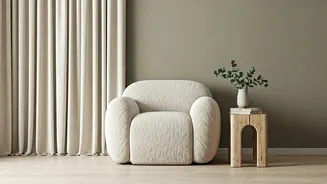
Sharp angles and rigid, geometric lines are being replaced by soft curves and organic forms that mimic shapes found in nature. This shift is most evident in furniture design, with a rising popularity for rounded sofas, arched cabinets, and circular or pebble-shaped coffee tables. These shapes are psychologically soothing; they lack the abruptness of sharp corners and create a more gentle, flowing feel within a room. This design choice can extend to smaller decor items as well, such as oval mirrors, round trays, and lighting fixtures with globe-like shades. The goal is to create a space that feels enveloping and safe, like a natural cocoon.
Celebrate Perfect Imperfection
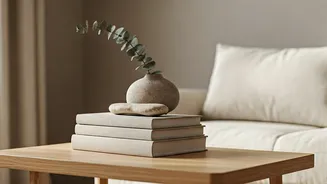
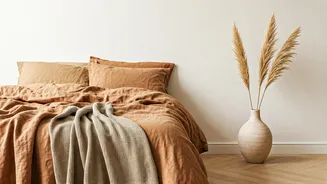
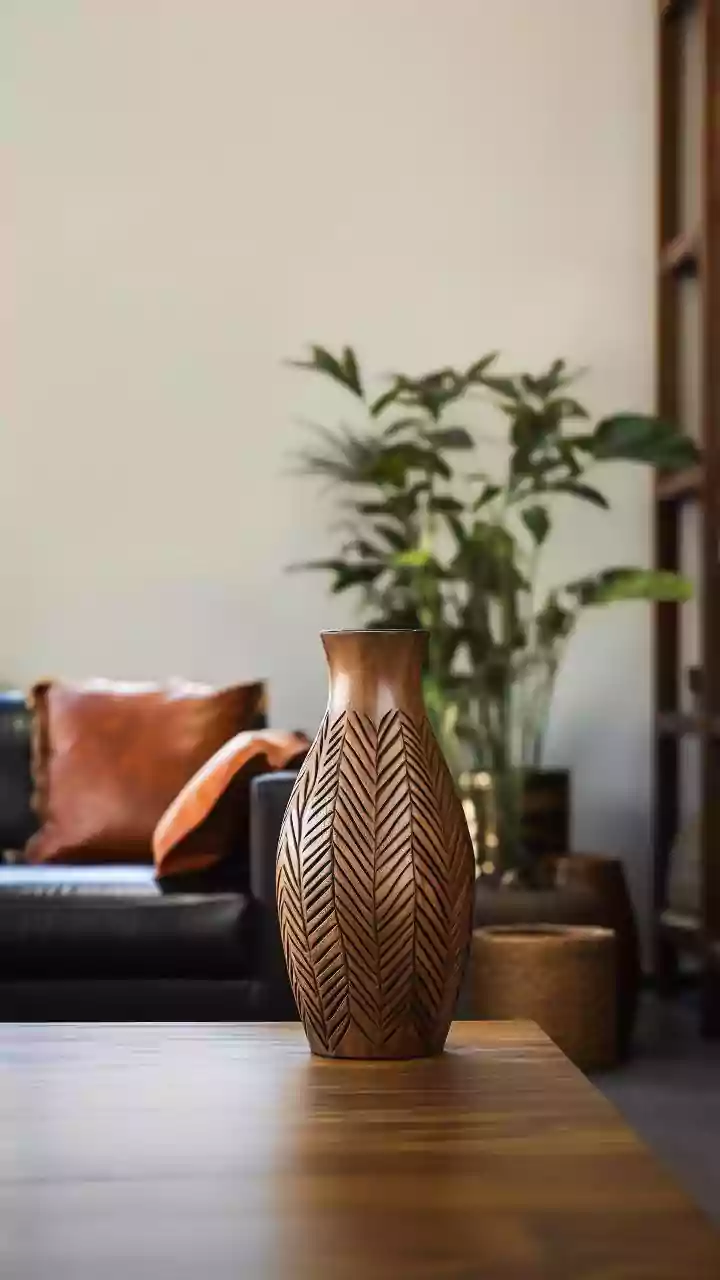
A key element of this natural aesthetic is the thoughtful rejection of mass-produced perfection. Instead, there's a growing appreciation for items that show the hand of the maker and the beauty of natural flaws. This is where concepts like wabi-sabi—the Japanese worldview centered on accepting transience and imperfection—come into play. Think handmade ceramics where no two pieces are exactly alike, a vintage wooden bowl with a bit of wear and tear, or a linen throw that becomes softer and more beautifully wrinkled with each use. These imperfect objects tell a story and add a layer of soul and authenticity to a home that slick, factory-made items simply cannot replicate.