
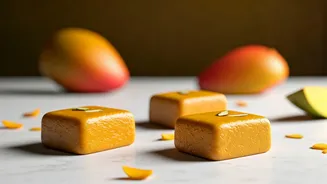
From Traditional Mithai to Modern Marvels
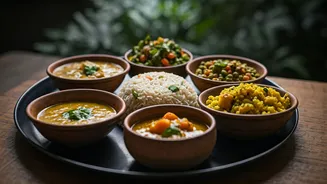
For generations, Indian desserts, or *mithai*, have been central to celebration and daily life. Think of glistening, syrup-soaked gulab jamun (fried milk solids balls), the intricate orange swirls of jalebi, or the dense, fudgy squares of pistachio barfi.
These sweets are delicious, deeply traditional, and often associated with a comforting, homemade quality or the bustling neighborhood sweet shop. But while their place in the culture is secure, their form was largely static, defined by sugar, ghee, milk solids, and nuts. Now, that's changing. Across the U.S., a new class of chefs and confectioners—many of them trained in French patisserie and modern culinary arts—are looking at these beloved classics not as relics, but as a vibrant palette of flavors to innovate with. They’re deconstructing, reimagining, and elevating them into something entirely new.
The New Guard of Pastry Innovators
This movement is being driven by chefs who navigate multiple cultural worlds. Many are second-generation Indian Americans who grew up with traditional flavors at home but pursued careers in mainstream, often Euro-centric, high-end restaurants. Chefs like Surbhi Sahni in New York City or Hetal Vasavada, author of the cookbook *Milk & Cardamom*, are leading the charge. They possess a deep understanding of Western pastry techniques—laminating dough, creating delicate mousses, balancing flavors with acidity and texture—and are applying that toolkit to the flavors of their heritage. This isn't about fusion for fusion's sake. It's an authentic expression of their identity. They’re asking questions like: What if a gulab jamun wasn't just soaked in syrup, but was the centerpiece of a light, airy cheesecake? What if the saffron and cardamom notes of kulfi (traditional ice cream) were encased in a perfectly crafted French macaron?
Playful Twists on Beloved Classics
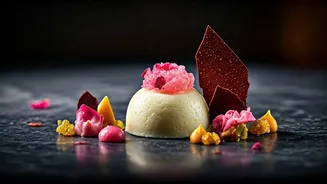
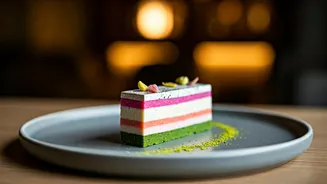
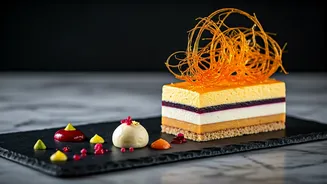
The results of this creative exploration are both playful and profound. The dense, granular texture of motichoor ladoo (tiny fried balls of chickpea flour) is being reimagined as a crunchy crust for a tart or a textural element in an ice cream. The familiar floral notes of rose and the earthy spice of cardamom are appearing in éclairs, bonbons, and entremets. We’re seeing carrot halwa (a warm, sweet carrot pudding) transformed into a spring roll with a crunchy phyllo shell, or the yogurt-based dessert shrikhand becoming the filling for a delicate choux pastry. This playfulness extends to form and presentation. Instead of being sold by the pound in a simple cardboard box, these new desserts are presented as individual works of art. Think kulfi shaped into modern, geometric popsicles, or a mithai tasting platter arranged with the precision of a cheese board.
What 'Premium' Really Means
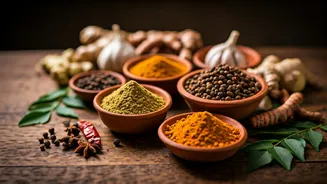
The 'premium' label isn't just about a higher price tag; it's about a fundamental shift in ingredients and philosophy. Traditional mithai often relies on a heavy hand with sugar, but the new school of Indian dessert focuses on balance. Sweetness is tempered with a touch of salt, a hint of citrus, or the bitterness of high-quality dark chocolate. Instead of generic vegetable shortening, chefs are using fine French butter. Instead of artificial flavorings, they’re using single-origin saffron, fresh-ground cardamom pods, and Valrhona chocolate. This is the move from sweet shop to patisserie. The aesthetic is clean, minimalist, and elegant. It’s a conscious effort to place Indian desserts on the same pedestal as a fine French pastry or a decadent Italian tiramisu. It signals a confidence in the cuisine, suggesting its flavors are not just for the home or the neighborhood, but for the global stage of fine dining.