



First, What Is El Niño?
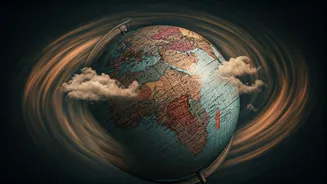
Think of El Niño as a temporary, but powerful, disruption to the planet's climate system. It starts with unusually warm water pooling in the eastern Pacific Ocean near the equator. This oceanic heat gets released into the atmosphere, altering air pressure
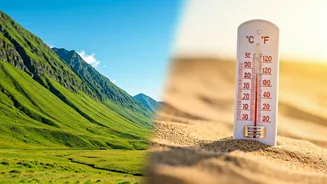
and shifting global weather patterns. The result isn't just a few warmer days; it’s a cascade of effects that can mean intense rainfall and flooding in parts of the Americas, severe drought in Australia and Southeast Asia, and warmer, milder winters in the northern United States. For travelers, this means the predictable weather you counted on for your annual ski trip or beach escape might not show up.
The Ski Trip Dilemma
Perhaps the most immediate impact for U.S. travelers is on winter sports. El Niño years are notorious for bringing warmer, wetter conditions to the northern half of the country, particularly the Pacific Northwest and the Northeast. This translates to less snow, shorter seasons, and lower-quality powder. Resorts that rely on natural snowfall are especially vulnerable. In response, savvy skiers are changing their habits. Some are delaying booking their trips until they can see a confirmed forecast, while others are shifting their destinations entirely, perhaps looking at high-altitude resorts in the Rockies or even the European Alps, which are less directly affected by this specific pattern. The classic pre-booked January ski weekend in Vermont is becoming a riskier bet.
Tropical Troubles and Surprising Swaps
It’s not just the cold-weather destinations feeling the heat. The same oceanic warming that defines El Niño can be devastating for marine ecosystems. Unusually high sea surface temperatures lead to coral bleaching, a process that strips vibrant reefs of their color and life. Destinations famed for snorkeling and diving, from the Caribbean to Australia's Great Barrier Reef, are at risk. This has led some eco-conscious travelers to postpone or redirect their trips, not wanting to witness or contribute to the stress on these fragile environments. At the same time, El Niño-induced drought in places like Central America is creating other issues. The Panama Canal, for instance, has faced historic water shortages, forcing shipping restrictions that have a ripple effect on cruise itineraries and regional travel.
How Smart Travelers Are Adapting
The uncertainty isn’t stopping travel, but it is making it smarter and more flexible. Travel agents report a significant shift in booking patterns. Instead of locking in non-refundable plans months in advance, more people are opting for last-minute trips, allowing them to chase good weather. There's also been a notable spike in the purchase of travel insurance, specifically policies with a 'Cancel For Any Reason' (CFAR) clause. This premium add-on provides the ultimate peace of mind, allowing travelers to call off a trip if the forecast looks dire, even if the airline and hotel are still operating. It's an added cost, but many now see it as essential for navigating a less predictable climate.
Should You Change Your Plans?
Whether you should alter your travel depends on your destination and your tolerance for risk. If your heart is set on a specific activity that is highly weather-dependent, like skiing fresh powder or diving a specific reef, it’s worth paying close attention to the forecast. Check with local tour operators and hotels for on-the-ground conditions before you book. Consider shoulder seasons, when weather might be less extreme. If your vacation is more about relaxation and exploring a culture, you're likely fine. A city break in Europe won't be ruined by El Niño. The key is to be informed and have a backup plan. Perhaps this is the year you discover the joy of a museum on a rainy day or find a new favorite destination that wasn't on your radar before.