




Beyond Aesthetics: The 'Why' of Calm
Forget the frantic, magazine-driven pressure to completely overhaul your living room every season. The concept of a 'calm layout' is less about a specific style and more about a feeling. It's an intentional design philosophy centered on reducing sensory
overload to create a sanctuary that supports your mental and emotional well-being. Think of it as interior design’s answer to mindfulness. While a chaotic, cluttered space can subtly elevate stress levels and hinder focus, a calm, organized environment does the opposite. It provides a visual and mental deep breath, allowing you to recharge and disconnect from the noise of the outside world. This isn’t just about looking good; it's about living better. That's what makes it a truly 'smart' investment.
The Power of Negative Space
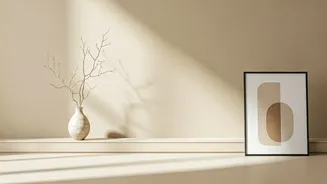
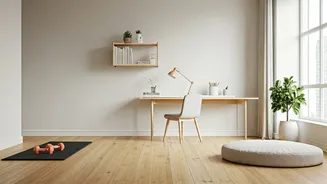
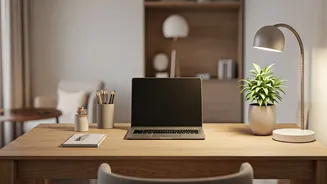
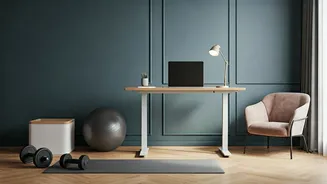
The foundation of any calm layout is subtraction. Before you add a single new throw pillow, you must declutter. American homes are often filled to the brim, with every surface and corner occupied. A calm layout reclaims the power of 'negative space'—the empty areas around and between objects. This visual quietness allows the items you truly love and use to stand out. Start with one area, like a bookshelf or a countertop. Remove everything, clean the surface, and then only put back what is essential or genuinely beautiful. The rest can be donated, stored, or discarded. This process isn't about sterile minimalism; it’s about giving your belongings, and your mind, room to breathe. An uncluttered home leads to an uncluttered head.
Let There Be (Natural) Light
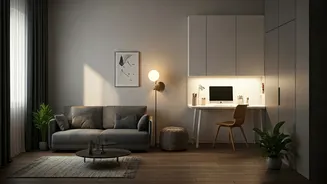
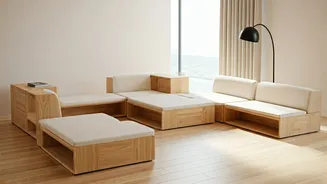
Few things influence the mood of a room more than lighting. Calm layouts maximize natural light to create an open, airy atmosphere that connects you to the rhythm of the day. Heavy, dark curtains can make a room feel like a cave. Swap them for sheer or light-filtering drapes that offer privacy without blocking the sun. If you have a room that’s naturally dark, use mirrors strategically. Placing a large mirror opposite a window can double the amount of light in the space and create the illusion of more depth. When it comes to artificial light, opt for warmth and variety. Instead of a single, harsh overhead fixture, use a combination of floor lamps, table lamps, and dimmers to create soft, layered pools of light that can be adjusted to suit the time of day and mood.
A Soothing and Cohesive Palette
Color is a powerful psychological tool. While bold, vibrant colors can be exciting, they can also be agitating in a space meant for relaxation. Calm layouts lean on a cohesive and soothing color palette. This doesn't mean your home has to be beige. Think in terms of nature-inspired tones: soft whites, warm grays, earthy greens, and muted blues. These colors are inherently restful to the eye. The key is to choose three or four complementary shades and use them consistently throughout a space to create a sense of harmony and flow. This visual unity prevents the eye from jumping around, which contributes to a feeling of peace and order. You can still introduce pops of color, but do so intentionally through art or a single piece of decor, rather than letting it dominate the room.
Warmth Through Natural Textures
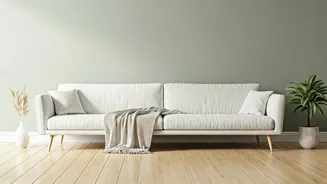
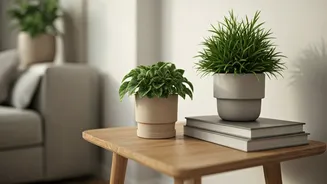
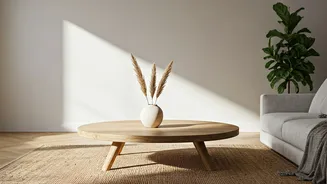
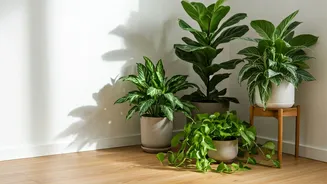
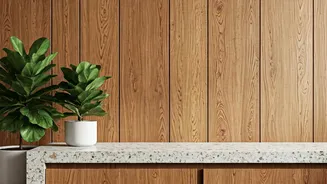
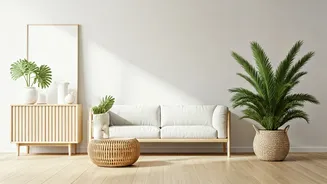
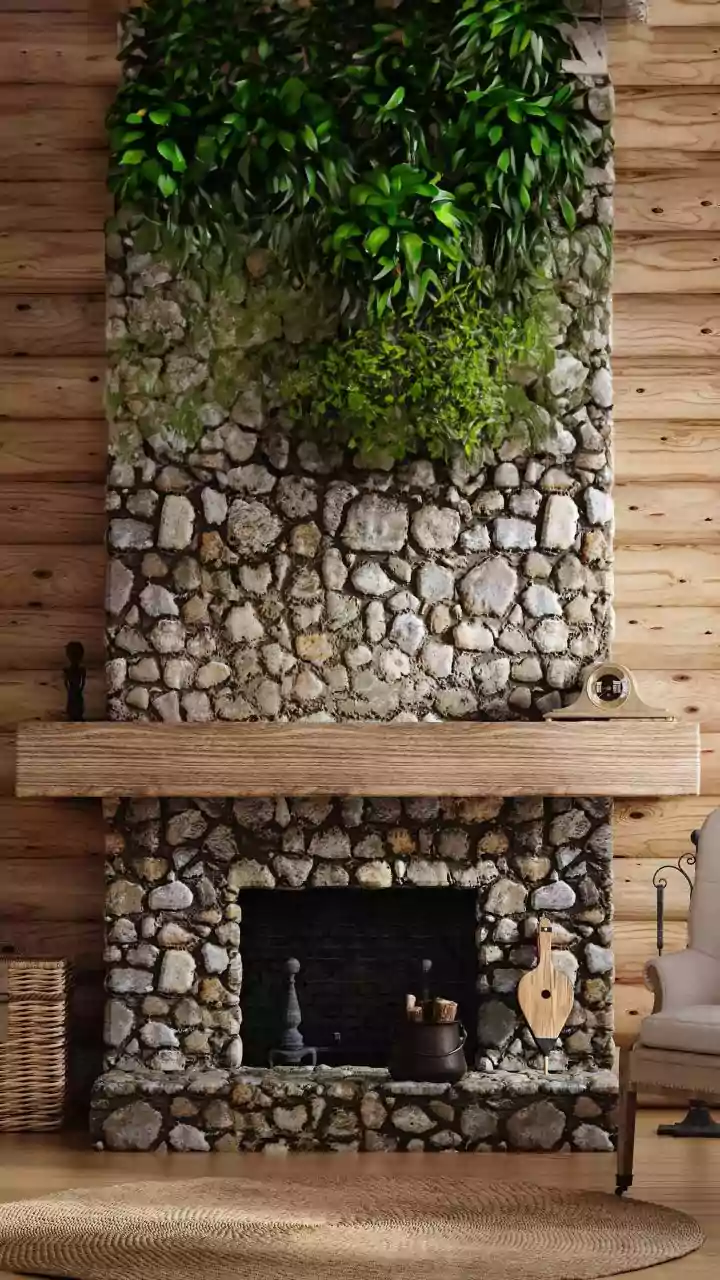
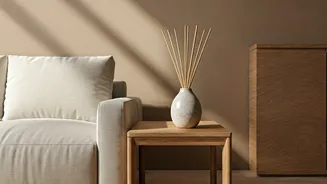
A space with only hard, sleek surfaces can feel cold and sterile. The secret to making a calm, decluttered layout feel inviting is texture. Incorporating natural materials introduces warmth, depth, and a tactile connection to the environment. Think of a chunky knit blanket thrown over a sofa, the smooth grain of a wooden coffee table, a jute or wool rug underfoot, linen curtains, or the organic shape of ceramic pottery. Plants are another essential element, adding not just a touch of green but a living, breathing texture that purifies the air and grounds the space. These elements engage the senses in a gentle way, making the room feel layered and complete without adding visual clutter.