
Beyond the Restaurant Staples
For many Americans, Indian food brings to mind a beloved rotation of restaurant hits: creamy chicken tikka masala, rich saag paneer, fluffy naan. But what’s currently capturing the imagination of India itself is the food that rarely makes it onto those
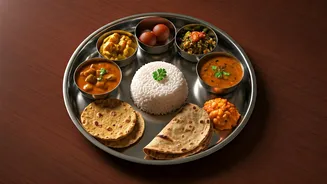
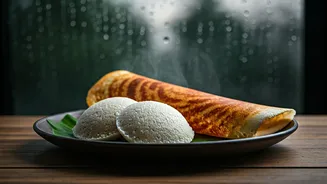
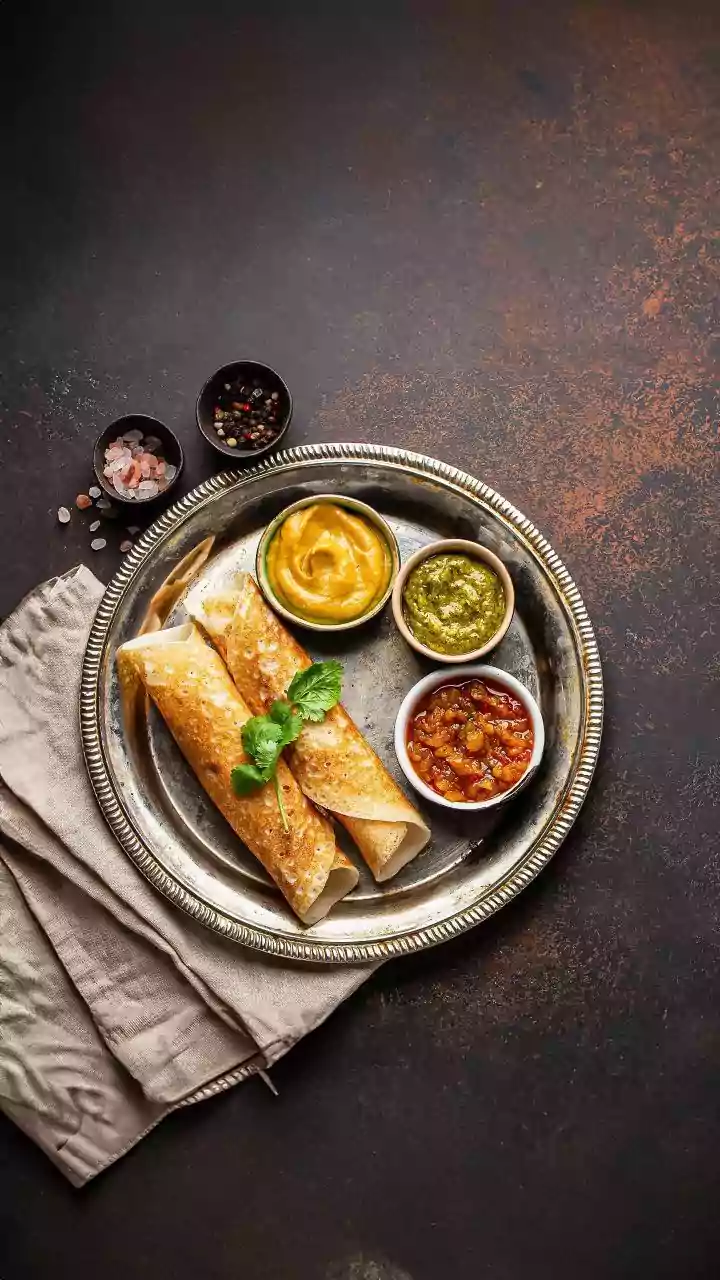
menus. We're talking about 'Ghar ka Khana'—literally, 'food of the home.' This isn't a single cuisine but a universe of simple, ingredient-focused dishes that vary not just by state, but by village and family. Think humble lentil dals made a specific way, seasonal vegetable preparations passed down through generations, and regional grains like millet and sorghum that were once overshadowed by wheat and rice. This trend is a conscious rejection of a one-size-fits-all 'Indian curry' in favor of something more personal, authentic, and deeply rooted in place and memory.
A Recipe for Nostalgia and Wellness
So, why now? Several cultural currents are converging. First, there's a powerful wave of nostalgia. As India rapidly urbanizes and modernizes, there's a growing desire among young, upwardly mobile Indians to reconnect with their roots. The food their grandmothers made is becoming a tangible link to a past they feel is slipping away. This was amplified by the global pandemic, which saw millions return to their family homes, reawakening a collective appreciation for the comfort and security of a home-cooked meal. Secondly, there's a burgeoning wellness movement. Indians are becoming increasingly skeptical of processed foods and Western-style fast food. Traditional home cooking, with its emphasis on fresh, local ingredients, time-tested cooking methods, and Ayurvedic principles of balance, is being rediscovered as the original health food. It's a turn toward culinary traditions that were sustainable and nourishing long before 'clean eating' became a buzzword.
The Rise of the Micro-Cuisine
This movement isn’t just about reviving generic 'mom's cooking'; it's about celebrating India's staggering culinary diversity. The country is a patchwork of dozens of distinct regional cuisines, many of which are finally getting their moment in the spotlight. The focus is shifting from broad categories like 'North Indian' or 'South Indian' to the hyper-local. Food lovers are seeking out the sour and spicy flavors of Malvani food from the Konkan coast, the unique fermented bamboo shoot dishes of Nagaland in the Northeast, and the subtle, elegant vegetarian thalis of Kathiawar in Gujarat. Social media is a huge driver here. Instagram and YouTube are filled with home cooks-turned-influencers proudly showcasing their specific regional heritage, teaching followers how to make a Bengali shukto (a bittersweet vegetable medley) or a Chettinad mushroom biryani. These platforms have decentralized culinary authority, moving it from professional restaurant chefs to the keepers of family recipes.
From Kitchens to Global Consumers
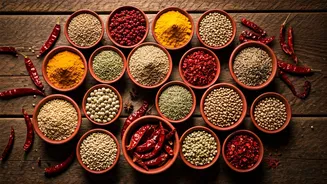
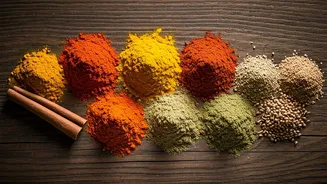
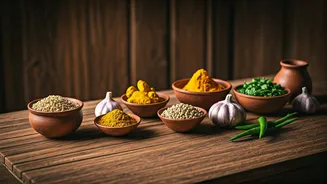
This isn't just a cultural phenomenon; it's a business opportunity. A new generation of food entrepreneurs is capitalizing on this trend. Small-scale businesses are creating high-quality, packaged versions of regional spice blends (masalas), pickles, and ready-to-eat meals that promise an authentic, homemade taste. Cloud kitchens and delivery-only brands are popping up, dedicated to serving specific regional cuisines that were previously only available in private homes. This commercialization is making hyper-local Indian food more accessible than ever, both within India and potentially for a global audience. As consumers everywhere become more adventurous, the next great Indian export might not be a new type of curry, but a jar of forgotten pickle from a remote village, its recipe suddenly relevant again.