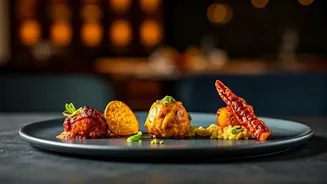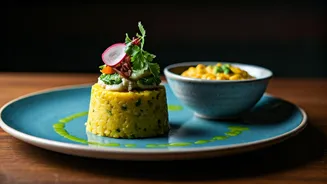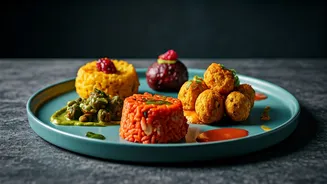

Beyond the Buffet Standard
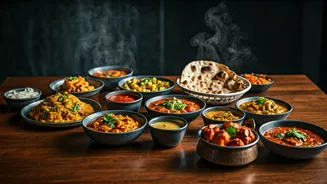
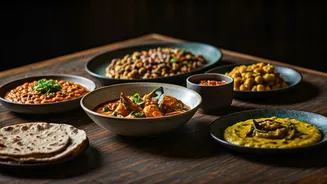
Let’s be honest: the Indian food most Americans know and love is a greatest-hits album, not the full discography. It’s largely a simplified, anglicized version of Punjabi cuisine from North India. Rich, creamy, and mild, it was the perfect entry point
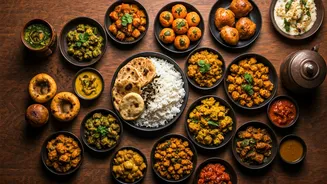
for Western palates unaccustomed to the subcontinent’s staggering diversity of flavors. Restaurateurs, many of whom were immigrants trying to build a business in a new country, understandably played it safe. They served what was familiar and what sold. The result was a monolithic idea of “Indian food” that, while comforting and delicious, flattened a country of 1.4 billion people and dozens of distinct culinary traditions into a single, marketable menu. This wasn't a culinary conspiracy; it was a function of immigration patterns and economic reality. But in doing so, it created a perception gap. Diners believed they were experiencing authentic Indian cooking, when in reality they were tasting a very specific, often tempered, regional snapshot. The fiery fish curries of Goa, the coconut-laced stews of Kerala, the savory lentil cakes of Gujarat—these remained largely unknown to the average American diner.
A Culinary Map of India
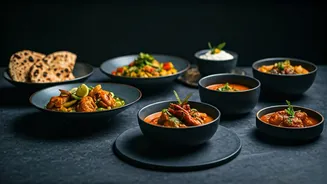
Today, a new generation of chefs is tearing up that old menu. They are proudly, defiantly cooking the food of their specific hometowns and regions. In New York, Chintan Pandya’s blockbuster restaurant Dhamaka famously serves “unapologetic Indian” food, focusing on forgotten recipes from rural corners of the country. His other venture, Semma, earned a Michelin star for its deep dive into the rustic, fiery flavors of Tamil Nadu in Southern India, a world away from the butter chicken standard. This trend is nationwide. You can find restaurants dedicated to the coastal cuisine of Goa, the street food of Kolkata, or the vegetarian thalis of Gujarat. These chefs aren’t just cooking; they're acting as culinary ambassadors and educators. Their menus are often annotated with place names and ingredient origins, transforming a meal into a geography lesson. They’re challenging diners to move beyond their comfort zones and explore dishes like goat brain masala or rabbit curry—not for shock value, but because they are beloved, traditional staples in their respective regions.
The Confidence of Uncompromising Flavor
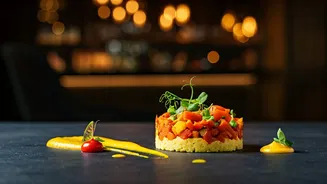
So why is this a “flex”? Because it represents a seismic shift in cultural confidence. For years, many immigrant communities felt pressure to assimilate, to make their culture more palatable to the mainstream. In food, this meant toning down the spice, sweetening the sauces, and sticking to the known winners. To cook a hyper-regional, uncompromisingly authentic dish was a risk. What if no one bought it? What if diners found it too “weird” or “spicy”? The new regional wave is a powerful declaration that those days are over. It’s a flex of cultural pride, a statement that Indian cuisine doesn’t need to be watered down to be worthy of fine dining prices or critical acclaim. These chefs are betting that American diners are more curious, educated, and adventurous than ever before. They’re trusting that the story and authenticity behind a dish are just as compelling as its flavor. And they are being proven right, with sold-out dining rooms and rave reviews.
A New Chapter for Diaspora Dining
This movement is about more than just what’s on the plate. It’s a story about the evolution of the Indian diaspora in America. First-generation immigrants often focused on survival and establishing a foothold. Their children and grandchildren, however, are now in a position to not just participate in American culture, but to shape it. They are using food as a vehicle to reclaim their heritage and present it on their own terms. This isn't unique to Indian food; we've seen similar evolutions with regional Mexican cuisine moving beyond Tex-Mex, and regional Italian food looking past spaghetti and meatballs. It’s a sign of a mature and confident culinary landscape, where specificity is valued over generality. For second- and third-generation Indian Americans, seeing the food of their grandmother’s village celebrated in a chic, critically acclaimed restaurant is a profoundly validating experience. It’s a signal that their culture is not something to be hidden or simplified, but something to be celebrated in its full, complex glory.