
No Soil, No Security Deposit Worries
The biggest psychological and practical barrier to indoor gardening for many renters is the dirt. Soil is messy. It gets on carpets, scuffs hardwood floors, and can attract pests. One wrong move while repotting a plant can lead to a permanent stain—and
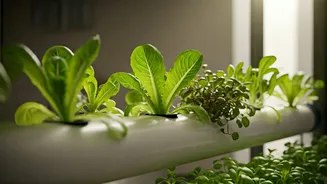
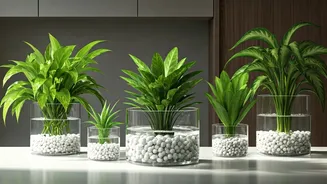
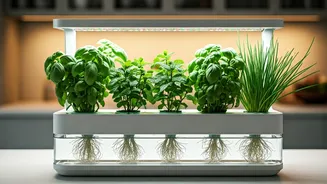
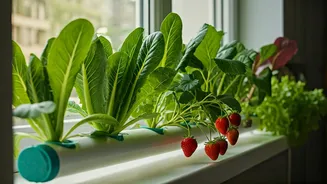
a potential ding on your security deposit. Soil-free gardening, primarily through hydroponics, completely eliminates this problem. In a hydroponic system, plants grow in water fortified with mineral nutrients. There’s no soil to spill, no mud to track through your apartment, and no risk of a potting mix catastrophe. These self-contained systems are designed for cleanliness, making them an anxious renter’s dream. All the joy of growing, none of the cleanup anxiety.
Your Garden Moves When You Do
One of the saddest parts of moving from a rental with outdoor space is leaving your garden behind. The raised bed you built, the perennial herbs that were just hitting their stride—they all stay. Soil-free indoor gardens, on the other hand, are fundamentally portable. Most beginner-friendly systems are countertop units or freestanding vertical towers. When your lease is up, you don't have to abandon your plants. You simply drain the system, pack it up like any other small appliance, and take your entire garden with you to your new home. This portability transforms gardening from a location-dependent hobby into a personal, movable asset, perfectly aligned with the transient nature of renting.
Big Yields in Small Spaces
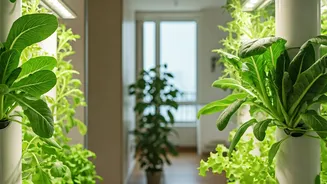
Apartment living is a masterclass in space optimization. Every square foot counts, and traditional container gardening can eat up a surprising amount of floor and surface space. Soil-free systems are engineered for spatial efficiency. Many popular models are vertical, growing plants upward instead of outward, allowing you to cultivate a dozen or more plants in a footprint no bigger than a small end table. Because nutrients are delivered directly to the roots in a highly efficient manner, plants often grow faster and more productively than their soil-based counterparts. You can get a surprisingly large harvest of lettuce, herbs, and even tomatoes from a compact unit tucked into the corner of your kitchen or living room.
Fewer Pests and More Control
Many common garden pests, from fungus gnats to root-borne diseases, live and breed in soil. By removing soil from the equation, you eliminate their primary habitat. While it’s not impossible to get pests on an indoor hydroponic garden, the risk is drastically reduced. Furthermore, these systems give you an unparalleled level of control over your plants' environment. You control the light (most kits come with built-in, full-spectrum LEDs), the water, and the nutrients. This eliminates the guesswork that plagues many new gardeners. Is the plant getting enough sun? Is the soil too wet or too dry? In a hydroponic system, the conditions are consistent and optimized, leading to healthier plants and a more successful growing experience, even for total beginners.
Getting Started Is Easier Than You Think
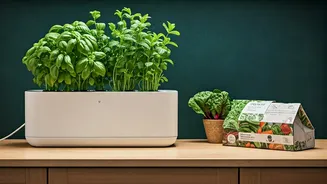
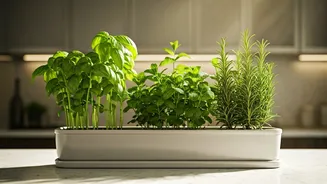
The term “hydroponics” can sound intimidatingly scientific, but modern home kits have made it incredibly accessible. For a true beginner, a countertop “smart garden” is the perfect entry point. These are often all-in-one systems with a water reservoir, integrated grow lights, and pre-seeded pods for popular plants like basil, mint, and cherry tomatoes. They require little more than adding water and nutrients every couple of weeks. For those ready for a slightly larger commitment, freestanding vertical towers offer more growing capacity. While the initial investment for a quality system can range from under $100 to several hundred dollars, the long-term payoff in fresh, homegrown produce and the sheer joy of a thriving indoor garden is, for many renters, well worth the price.