


The Old Guard of Kitchen Design
For generations, the kitchen in many Indian households was a separate, often enclosed, domain. It was a workspace, designed for the complex, multi-step process of traditional cooking. Aesthetically, it might have featured warm woods, detailed carvings,
and a dazzling array of brass or copper pots on display. The spice cabinet, or *masala dabba* storage, was a point of pride and complexity. This kitchen was often seen as the domain of the mother or grandmother—a place of incredible culinary creation, but also one of enclosure and labor-intensive design. The focus was on accommodating tradition, with surfaces and layouts that hadn't changed much in decades. Fancy, in this context, meant detailed, decorative, and separate; a testament to a home that valued elaborate hospitality and traditional roles.
The Rise of a New Practicality
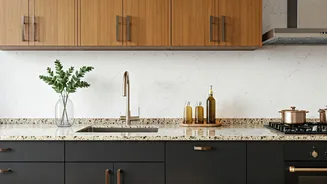
Today’s prevailing trend is a dramatic departure. The new Indian-American kitchen is defined by clean lines, uncluttered surfaces, and an obsession with efficiency. Think less polished mahogany and more high-gloss laminate or seamless quartz countertops. Why the shift? It’s a direct response to modern life. With more dual-income families and a faster pace of living, time is the ultimate luxury. Practicality means modular cabinets with smart storage solutions that hide appliances, pull-out pantry shelves that make finding that jar of turmeric instant, and easy-to-clean backsplashes. Granite, once the gold standard, is often being replaced by non-porous quartz that resists stains from oil and spices. The new kitchen is engineered for speed and simplicity, designed to support a busy lifestyle rather than demand servitude.
An Open-Concept Identity
Perhaps the biggest change is not what’s inside the cabinets, but the absence of walls. The move toward open-concept kitchens that flow into the living and dining areas is more than just a design choice borrowed from the West; it’s a profound statement about family dynamics. When the kitchen is open, cooking is no longer a solitary activity. It becomes a social one. It’s where kids do their homework while a parent makes dinner, where guests mingle with the host over appetizers, and where both partners might collaborate on a meal. This layout reflects a more egalitarian approach to household tasks and a desire for family togetherness. The kitchen is no longer a hidden-away factory for food; it's the central hub of the home, a stage for everyday life.
Culture, Not Clutter
This shift isn't an abandonment of culture; it's a reinterpretation of it. The essential elements of Indian cooking—the complex spices, the fresh ingredients, the specific techniques—are all still there. The new kitchen is simply designed to make it all more manageable. You’ll still find a powerful stove capable of handling a sizzling tadka and a well-stocked pantry. But now, it’s integrated into a space that values both heritage and the realities of a 21st-century schedule. Choosing practical over fancy isn't about being less Indian. It’s about building a modern Indian-American identity where tradition is honored through function, not just form, creating a space that works for the life people actually live today.