

Built-In Bookshelves and Nooks
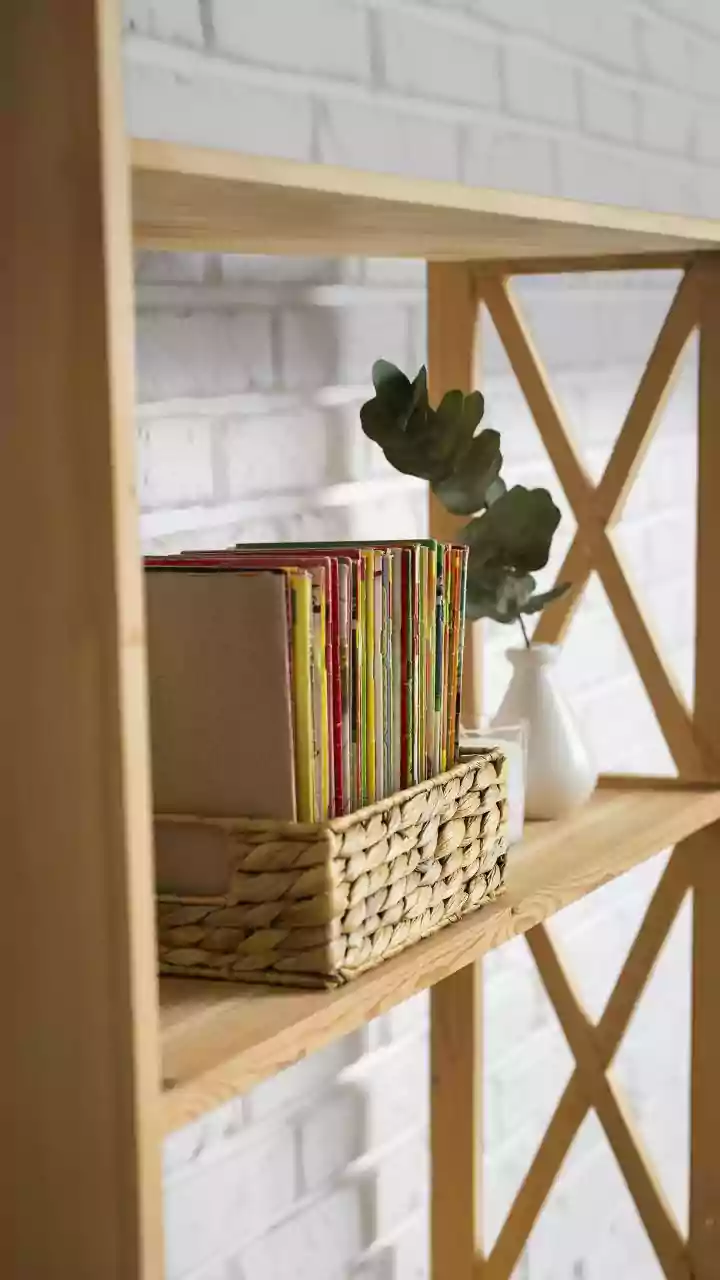
There’s a certain magic to a wall of books or a cozy reading nook tucked under a staircase. Unlike freestanding furniture, built-ins feel like an integral part of the home’s architecture. They communicate permanence and a love for craftsmanship. In an era
dominated by digital media, the built-in bookshelf is a quiet rebellion—a space dedicated to tangible objects, cherished collections, and quiet moments. Designers are using them to add depth and personality to living rooms, home offices, and even hallways, creating focal points that are both functional and deeply comforting. It’s a move away from the empty, gallery-white wall and toward a space that tells a story.
Unlacquered Brass Fixtures
The perfectly polished, factory-sealed fixtures of the past are giving way to something more alive. Unlacquered brass is a “living finish,” meaning it patinas and darkens over time with exposure to air and touch. This might sound like a flaw, but it’s the entire point. Each faucet handle, cabinet pull, or light switch develops a unique pattern of use, mapping the life lived around it. This trend is a direct rejection of the sterile and disposable. Instead of an object that looks its best the day it’s installed, unlacquered brass gets better with age, imbuing kitchens and bathrooms with a sense of history and authenticity that can’t be faked. It’s the closest you can get to installing character itself.
Checkerboard and Patterned Floors
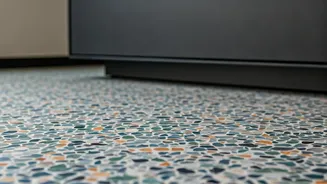
Once relegated to retro diners and grand European foyers, the checkerboard floor is back in a big way. Whether it’s classic black-and-white marble or a more subtle tone-on-tone tile, this graphic pattern adds instant personality and a touch of nostalgic charm. It works because it’s both bold and timeless, capable of anchoring a room without overwhelming it. This trend extends to other patterned tiles, like encaustic cement tiles with intricate, colorful designs. Homeowners are using them to add a pop of excitement to smaller spaces like mudrooms, laundry rooms, and powder rooms, proving that utilitarian areas don't have to be boring. It’s about finding joy and visual interest in unexpected places.
Fluted Glass and Reeded Details
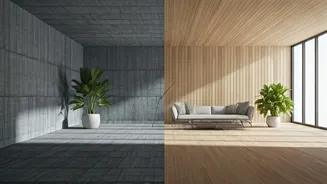
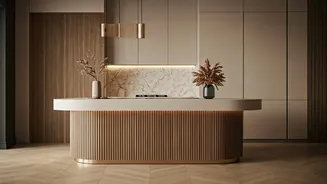
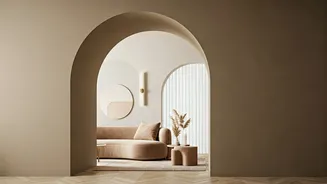
Texture is the new frontier of minimalism. For those who still love clean lines but want more visual interest, fluted and reeded surfaces are the answer. This detail, featuring a series of convex or concave vertical grooves, is appearing on everything from kitchen cabinet fronts and glass shower doors to furniture and room dividers. Fluted glass, popular in the Art Deco era, offers the perfect blend of privacy and light, obscuring the view without blocking it entirely. On wood or stone, the reeded texture catches light and shadow in beautiful ways, adding a layer of subtle sophistication. It’s a detail that engages the senses of both sight and touch, adding a quiet luxury to modern spaces.
Picture Rails and Wall Molding
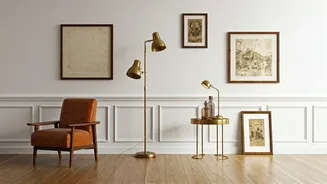
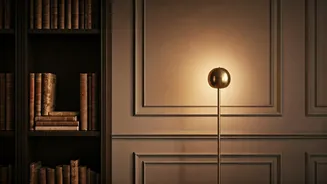
In the Victorian era, picture rails were a practical solution for hanging art without damaging plaster walls. Today, their return is purely about aesthetics and architectural character. Installing a picture rail or adding crown molding and wainscoting instantly elevates a room, breaking up flat, boring walls and adding a sense of structure and formality. It creates a framework that makes the entire space feel more considered and complete. More than just a decorative flourish, wall molding provides a sense of enclosure and coziness, defining the room's proportions. It’s a relatively simple way to make a new-build home feel like it has the solid, thought-out bones of a much older property.