



The Ecosystem Living Inside You
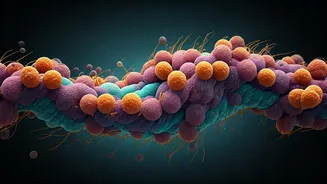
Let’s start with the basics. Your gut is home to trillions of microorganisms—bacteria, viruses, and fungi—collectively known as the gut microbiome. Think of it less as a collection of germs and more as a complex, bustling rainforest ecosystem living inside
you. For decades, we thought of bacteria primarily as enemies to be eradicated. Now, scientists understand that a healthy, balanced internal ecosystem is crucial for everything from digestion and nutrient absorption to immune function and even mood regulation. Just like a rainforest, this internal world thrives on diversity. A system with many different species is more resilient, stable, and capable of handling disturbances, whether that’s a course of antibiotics, a stressful week, or a not-so-healthy meal.
Why More Is Merrier for Your Microbes
So, how do you cultivate that diversity? The answer lies on your plate. Each species of bacteria in your gut has its own preferred food source. Most of them feast on different types of dietary fiber and compounds called polyphenols, which are found in plant-based foods. When you eat the same handful of foods over and over, you’re only feeding a small fraction of your microbial team. The other microbes get starved out, and your internal ecosystem becomes less diverse and more fragile. Conversely, when you eat a wide variety of plants, you provide a buffet for a wide variety of beneficial microbes. They thrive, multiply, and in return, they produce beneficial compounds like short-chain fatty acids (SCFAs) that help reduce inflammation, strengthen your gut wall, and support your overall health. A diverse diet directly seeds a diverse and robust microbiome.
The New Goal: 30 Plant Points a Week
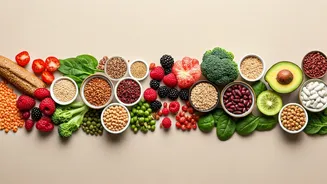
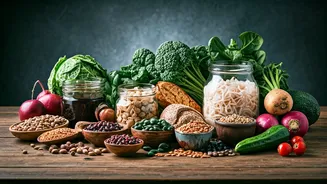
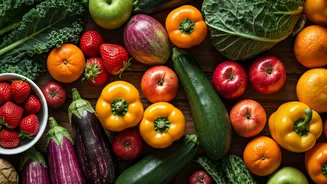
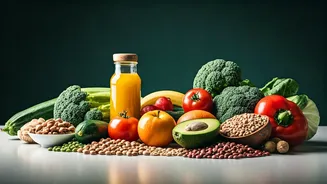
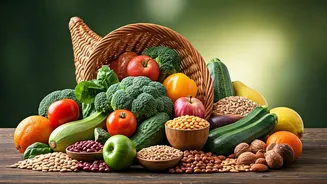
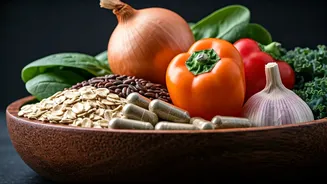
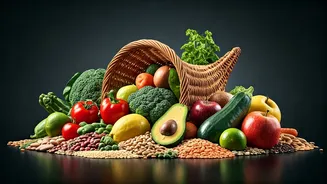
For years, the public health mantra was “five a day.” While that’s still good advice, the new thinking in gut health pushes the concept further. A guideline gaining traction among nutritionists and researchers is to aim for 30 different plant-based foods each week. At first, that number sounds intimidating, but the definition of “plant” is broader than you might think. It’s not just fruits and vegetables. It also includes whole grains (oats, quinoa, brown rice), legumes (beans, lentils, chickpeas), nuts (almonds, walnuts), seeds (chia, flax, sunflower), herbs (parsley, basil), and even spices (turmeric, cinnamon). Each one counts as a “point.” A bowl of oatmeal with blueberries, walnuts, and a sprinkle of cinnamon could easily start your day with four points. It’s a framework that encourages variety over restriction and makes building a better gut feel more like a game than a chore.
Simple Swaps, Big Impact
You don’t need to overhaul your entire life to hit that 30-point target. The key is to make small, incremental changes that add variety without adding stress. Start by thinking in terms of swaps and additions. Instead of buying the same bag of spinach every week, try a bag of mixed greens or kale. If you’re making a chili, use two or three different types of beans instead of just one. Add a handful of lentils to your pasta sauce. Sprinkle a mix of seeds over your yogurt or salad. Buy a different type of apple or a new vegetable you’ve never tried before on each grocery trip. These minor adjustments accumulate quickly, diversifying your microbial menu and enriching your gut ecosystem without requiring you to become a gourmet chef overnight. The focus should be on gentle expansion of your food repertoire, not on perfection.