



The Zero-Cost Starting Point
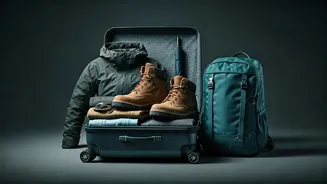
Before spending a dime, start with strategy. The simplest form of 'waterproofing' is intelligent packing. Never place liquids (shampoo, water bottles, sunscreen) in the same compartment as electronics or important documents. This sounds obvious, but in the rush
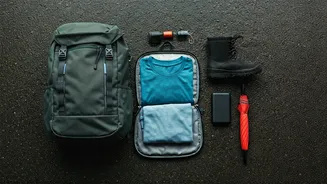
to pack, it's a rule that’s easily forgotten. Create a dedicated 'wet' zone, like an exterior pocket or a specific packing cube, for all your liquids. Similarly, if you have a laptop sleeve, use it. Its padding provides a buffer not only from impact but also from minor spills spreading quickly. This simple organization costs nothing and is your first line of defense against the most common culprit of water damage: your own belongings betraying you inside your luggage.
Level 1: The Humble Ziploc
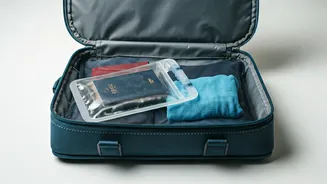
For just a few dollars—the cost of a box of gallon-sized freezer bags—you can secure your most vulnerable items. A high-quality, sealable plastic bag is your best friend. Use one for your passport, tickets, and any paper reservation documents. Use another for your small electronics, like charging bricks, cables, and power banks. A third can contain your toiletries, ensuring that if your shampoo bottle explodes at 30,000 feet, the mess is contained. It’s not a system designed for full submersion, but for preventing leaks, splashes, and rain from turning into a trip-ruining event, it’s an incredibly effective and affordable solution. Always pack a few extras; they take up no space and you'll inevitably find a use for them, whether it's quarantining a wet swimsuit or saving a leftover pastry.
Level 2: The Dedicated Phone Pouch
Your phone is your camera, your map, your communication hub, and your boarding pass. Protecting it is non-negotiable. While a Ziploc is better than nothing, a dedicated waterproof phone pouch is a massive upgrade for about $10-$15. These clear cases, typically worn around the neck with a lanyard, allow you to use your phone's touchscreen and even take photos while it remains perfectly sealed from water, sand, and dirt. If your vacation involves a beach, a pool, a boat, or even a city known for its rain (hello, London and Seattle), this small investment provides immense peace of mind. You can navigate a rainy street or take photos by the waves without the constant fear of a catastrophic drop.
Level 3: Water-Resistant Packing Cubes
Packing cubes are already a travel game-changer for organization, but choosing water-resistant versions adds a layer of protection. It’s important to understand the terminology: 'water-resistant' means it will repel light rain and spills, while 'waterproof' means it can be submerged. For most travelers, water-resistant is enough. These cubes are typically made from a lightweight ripstop nylon with a coating that causes water to bead up and roll off. They won't save your clothes in a flood, but they will protect one cube's contents from a leaky water bottle in another, or keep a spare set of clothes dry inside a backpack caught in a drizzle. They compartmentalize the risk, preventing one small accident from ruining your entire wardrobe.
Level 4: The Dry Bag and Pack Cover
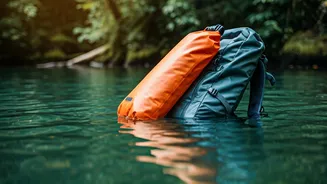
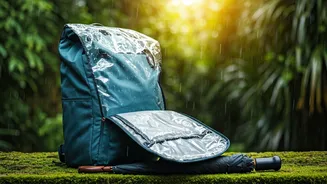
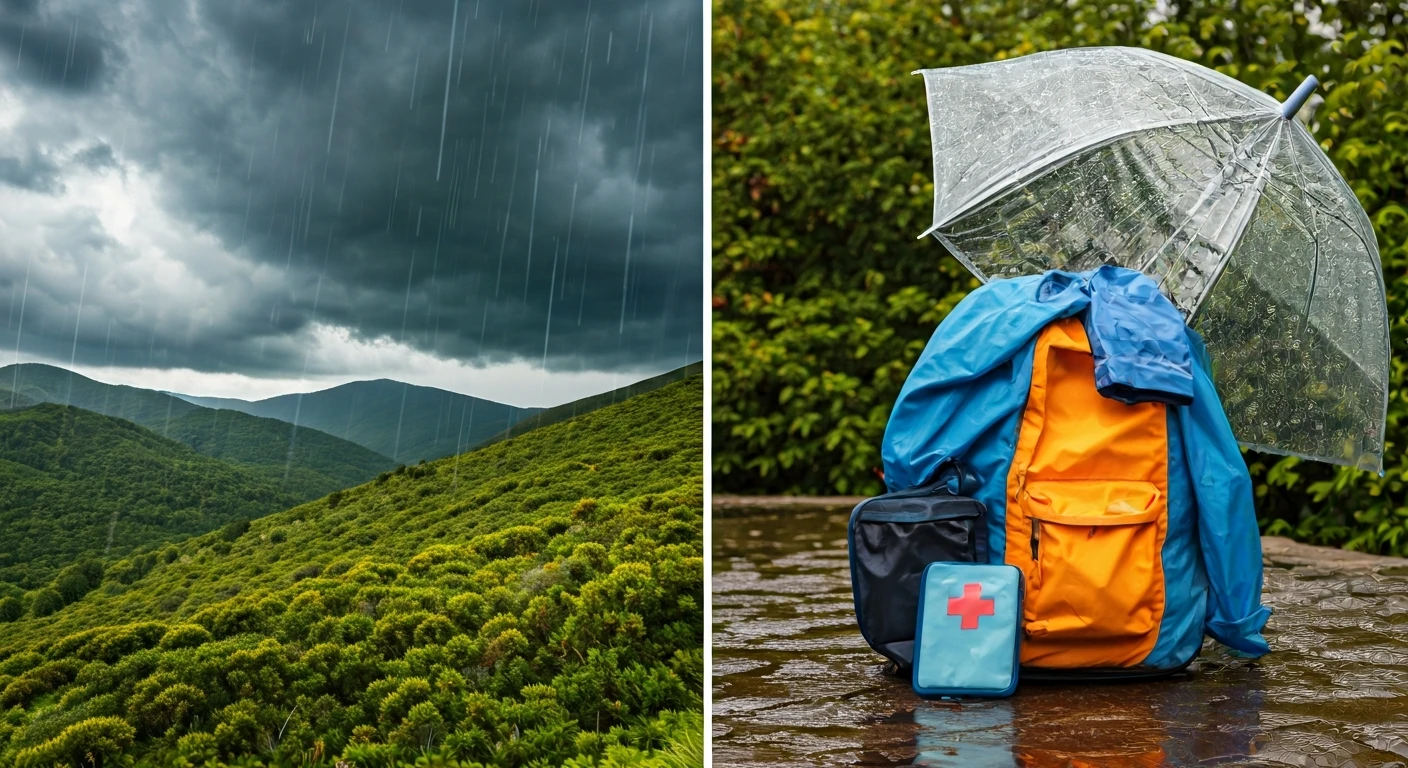
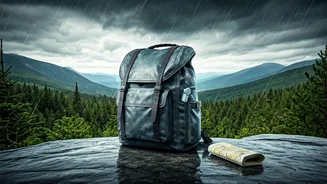
For the adventurous traveler, or anyone heading to a destination with a serious rainy season, it’s time to call in the specialists. A 'dry bag' is the real deal. Made of thick, rubberized material with a roll-top closure that creates an airtight seal, it’s designed to be fully waterproof. You can throw it in a kayak, carry it through a monsoon, and be confident that everything inside—from your camera to a change of clothes—will be bone-dry. They come in all sizes, from small 2-liter bags for your valuables to large 20-liter versions that act as a full daypack. Complement this with a backpack rain cover. Many modern travel packs have one built-in, but if not, you can buy a standalone cover for around $20. It's an ultra-light 'raincoat' for your luggage, offering instant protection for your entire bag when the skies open up.