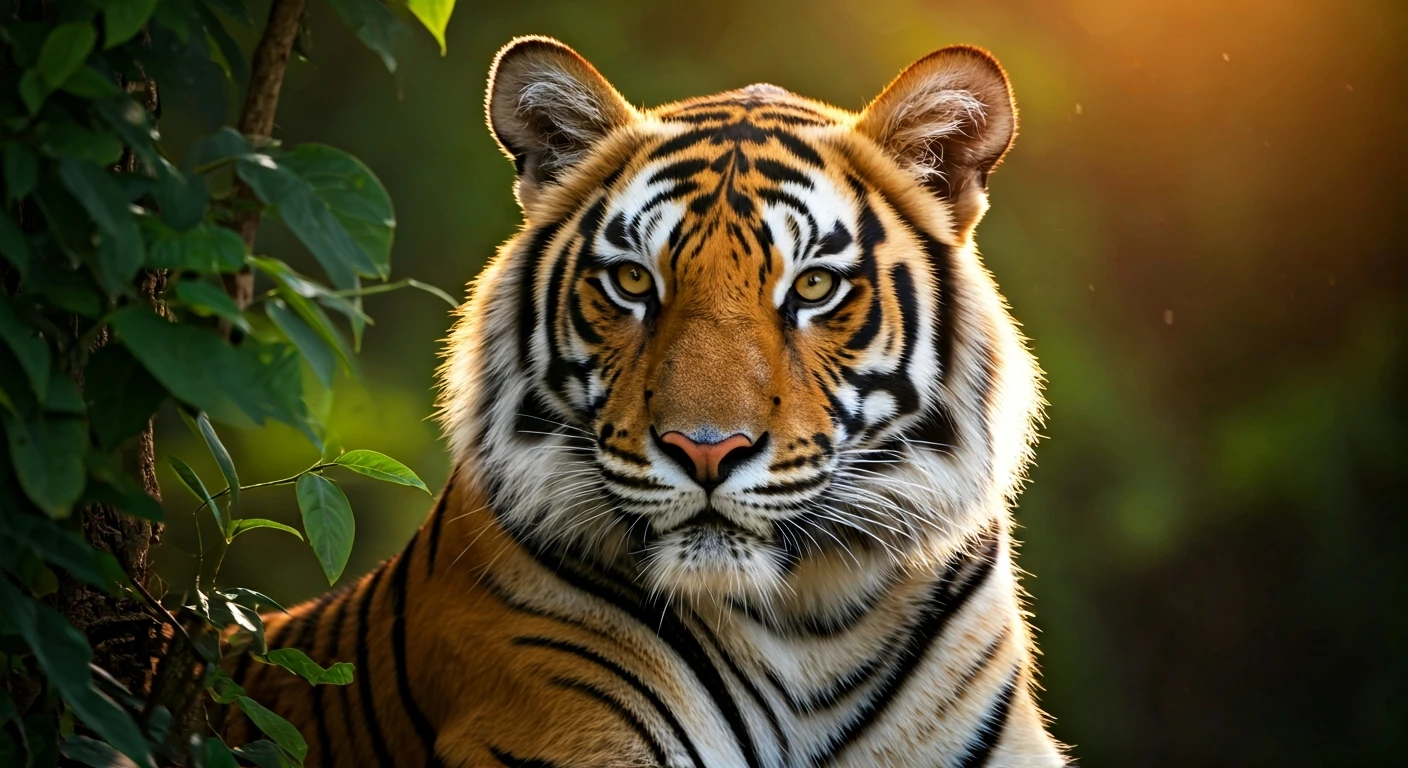


The Crown Jewels of Tiger Country
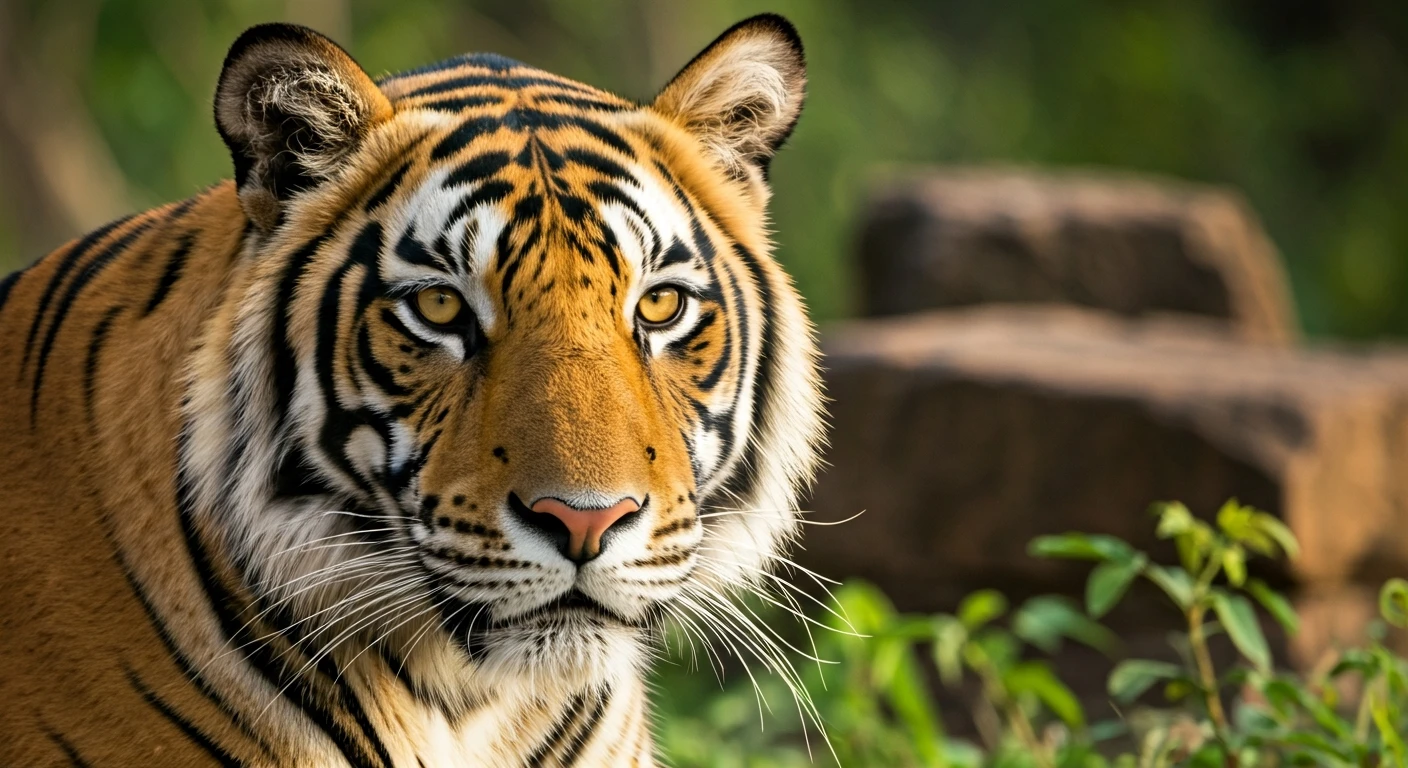
Before we get to the closures, let’s talk about why these places matter. Ranthambore National Park in Rajasthan and Tadoba-Andhari Tiger Reserve in Maharashtra are two of India’s most celebrated wildlife destinations. They are the stuff of legend, featured
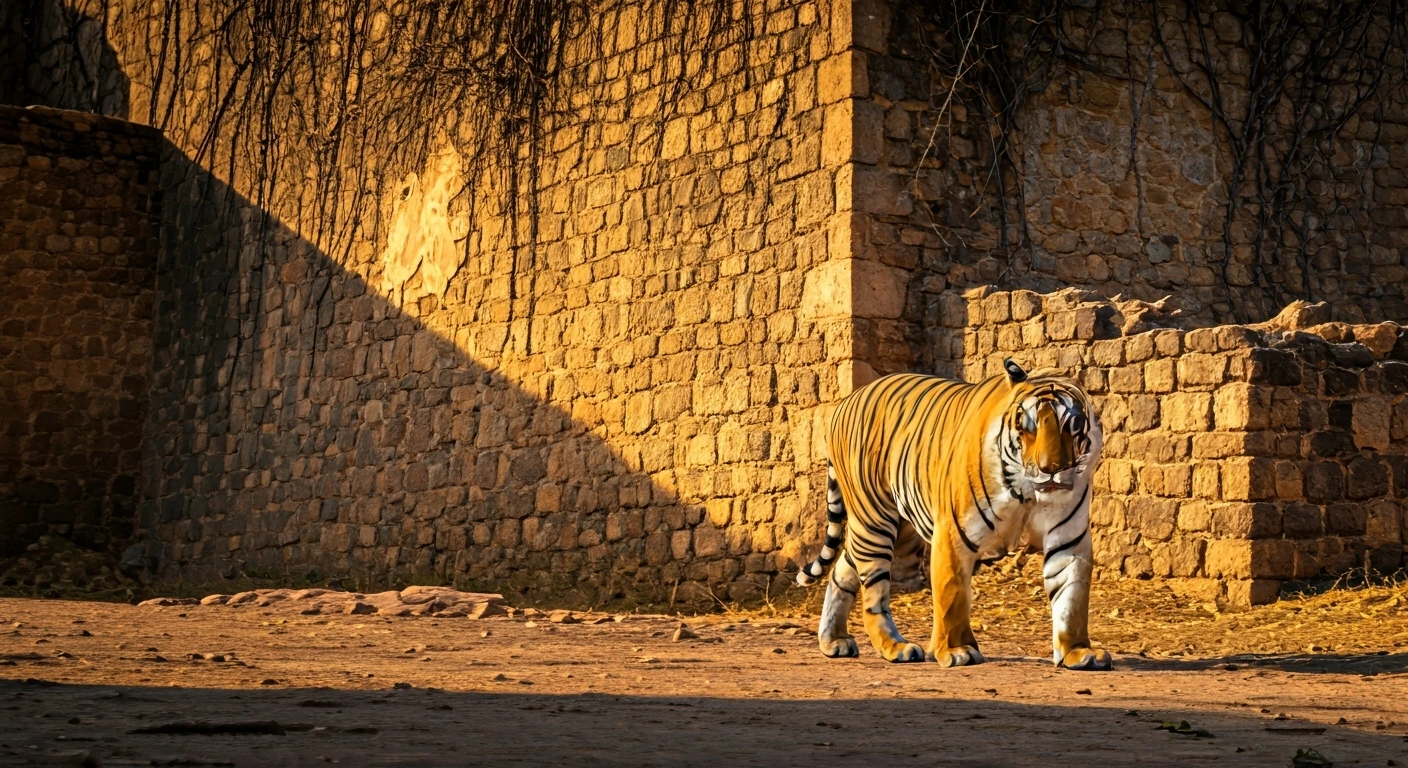
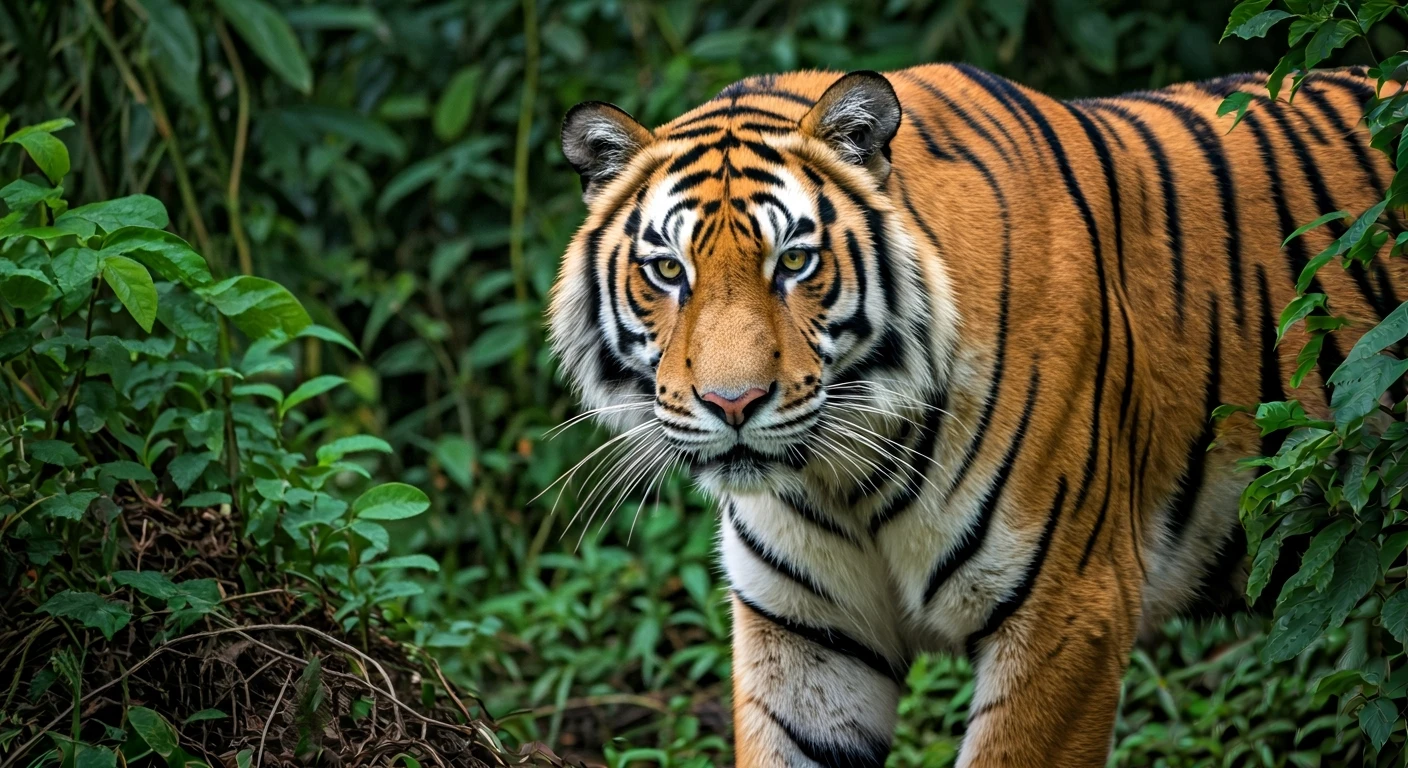
in countless documentaries and topping the lists of wildlife photographers and nature lovers worldwide. Ranthambore is famous for its dramatic setting, with tigers roaming amidst ancient forts and ruins. It’s relatively accessible from major tourist hubs like Jaipur and Delhi, making it a popular choice. Tadoba, a bit more rugged and off the beaten path, has gained a stellar reputation in recent years for its incredibly high density of tigers, leading to frequent and often dramatic sightings. For an American traveler planning a once-in-a-lifetime trip to see tigers, these two parks represent the gold standard.
Why the Parks Take a Rain Check
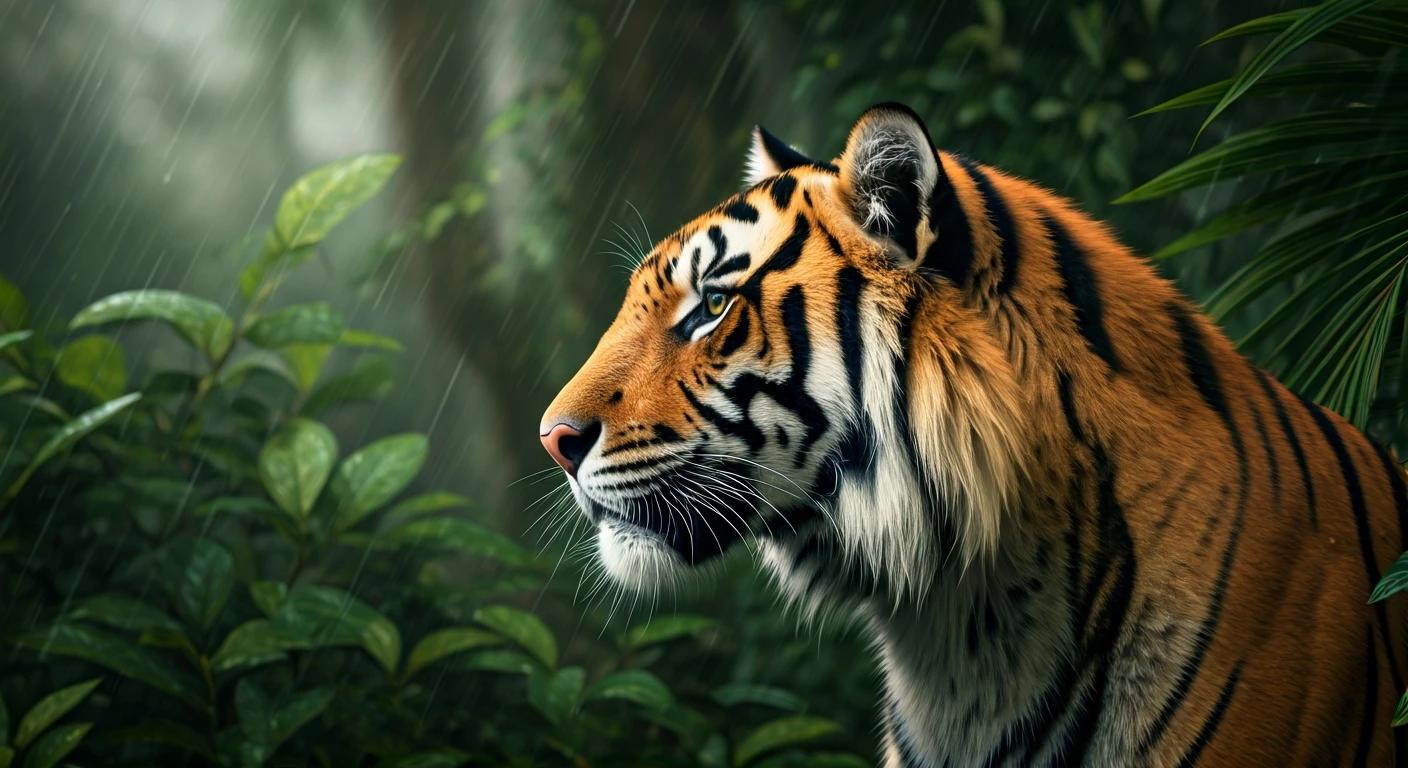
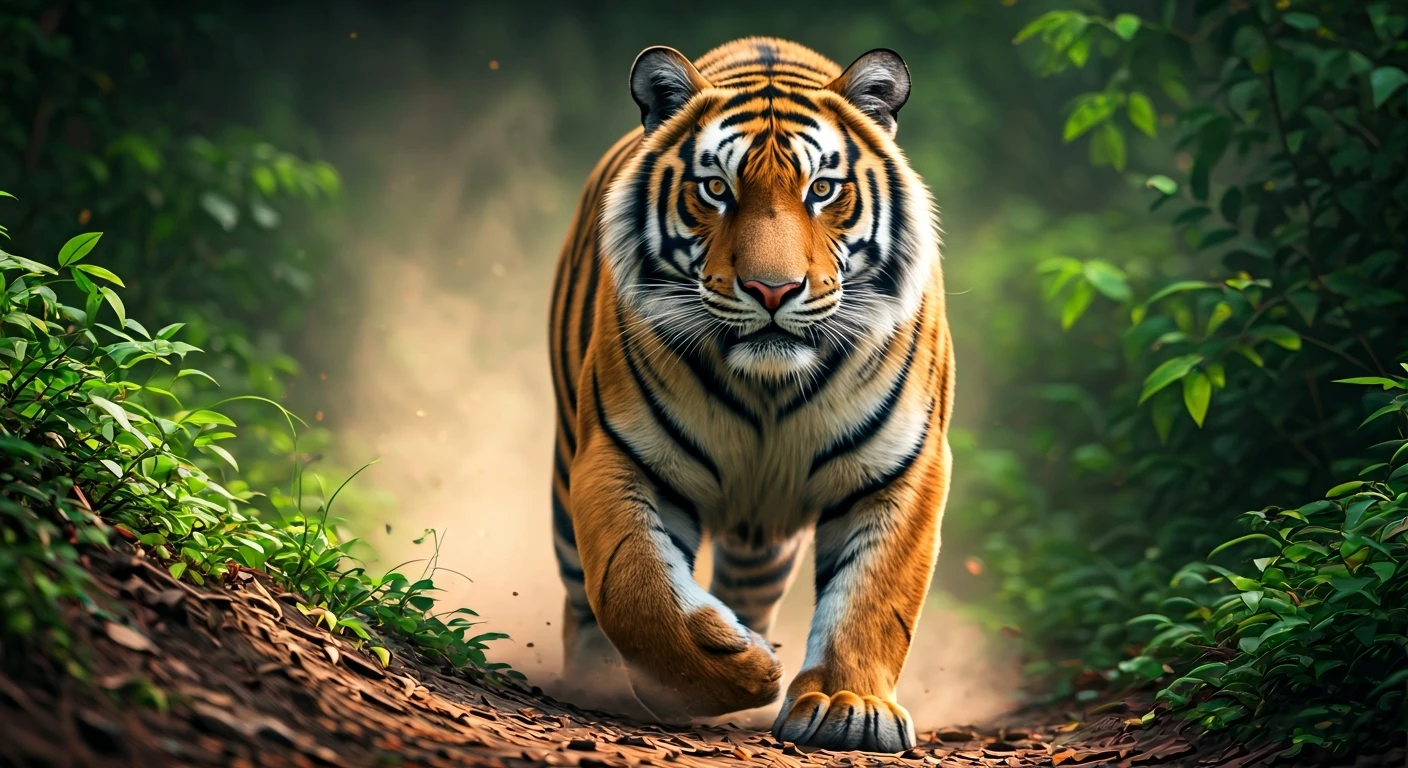
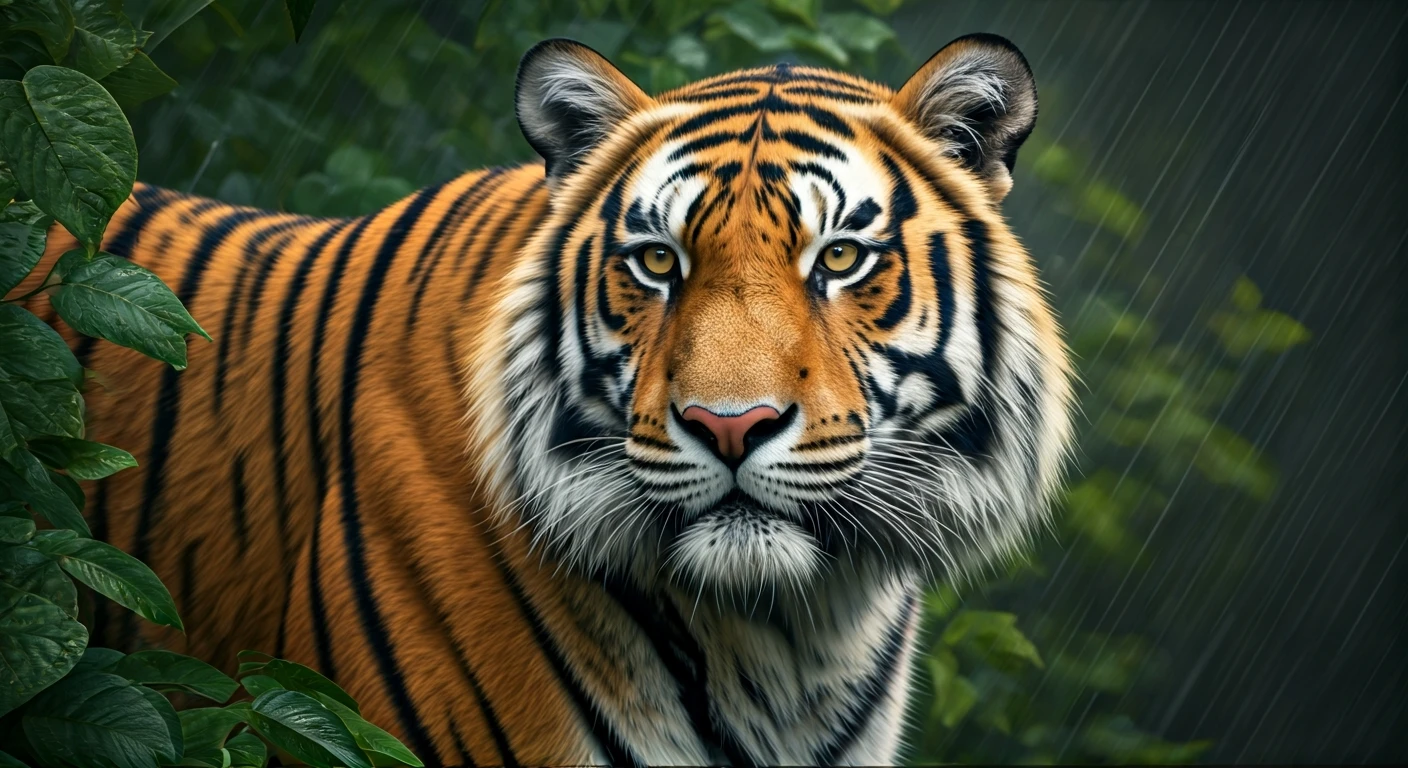
Every year, around the end of June, a quiet panic sets in for last-minute safari planners: the dreaded monsoon closure. From roughly July 1st to September 30th, the core zones of most major national parks in India, including Tadoba and Ranthambore, shut down completely to tourists. This isn’t an arbitrary decision; it’s an ecological and logistical necessity. The Indian monsoon brings torrential, relentless rain. The dusty tracks that serve as safari routes turn into impassable rivers of mud, making jeep travel dangerous and often impossible. Getting stuck deep inside a tiger reserve during a downpour is a serious safety risk for both tourists and guides. More importantly, the monsoon is a period of renewal. It’s a vital breeding season for many animals, who need privacy and a reprieve from the constant presence of safari vehicles. The rains replenish water sources and allow the parched landscape to burst back to life. Forcing the parks to stay open would disrupt this delicate natural cycle and cause irreparable damage to the ecosystem that makes them so special. In short, the closure is a conservation tool.
Timing Your Trip: The Seasons of Safari
Understanding the park’s calendar is the single most important part of planning your trip. The safari season is effectively split into two main periods. **October to March (Post-Monsoon/Winter):** This is peak season. The parks reopen to a landscape that is lush, green, and vibrant after the rains. The weather is pleasant, cool, and comfortable, making for beautiful safari conditions. While the vegetation is dense, which can make spotting tigers slightly more challenging than in the dry season, the overall experience is spectacular. This is the most popular time to visit, so booking flights, hotels, and safari permits months in advance is essential. **April to June (Pre-Monsoon/Summer):** This period is not for the faint of heart. Temperatures can soar to well over 100°F. It’s brutally hot and dusty. So why do people go? Because the intense heat dries up most water sources, forcing tigers and other animals to congregate around the few remaining lakes and waterholes. This dramatically increases your chances of a sighting. If your top priority is seeing a tiger and you can handle the extreme heat, this is your window.
Finding the Loophole: The Buffer Zone
What if you find yourself in India during the monsoon season? All is not lost. While the main “core zones” of the parks are closed, many reserves have started keeping their surrounding “buffer zones” open to tourism year-round. These are forested areas that are part of the larger reserve ecosystem but are managed with different regulations. A buffer zone safari is a different experience. The animal density is typically lower than in the core, and tiger sightings are less predictable. However, you can still see a wide range of wildlife, and the monsoon transforms the forest into a magical, emerald-green paradise. It’s a chance to experience the jungle at its most atmospheric and alive, without the crowds of peak season. For Tadoba, in particular, some of its buffer gates offer surprisingly good activity even during the rains.