



The New Definition of 'Lazy'
Let’s get one thing straight: the 'lazy' in the 'lazy corporate youth' isn't about a lack of will. It’s about a lack of time. For a generation of young professionals navigating hybrid schedules, back-to-back Zoom calls, and the lingering pressure of hustle
culture, efficiency is the ultimate virtue. Cooking a balanced lunch from scratch? That's a luxury. Grabbing a sandwich? It’s often a carb-heavy recipe for a 3 p.m. slump. This demographic isn’t lazy; they’re optimized to the point of exhaustion. They are time-starved, decision-fatigued, and deeply anxious about their health. They grew up with wellness blogs, fitness influencers, and the idea that every input—from their screen time to their macronutrients—can and should be tracked for peak performance. This creates a powerful, unmet need: a meal that is fast, requires zero thought, and feels like a virtuous health choice.
Selling a Solution, Not Just a Shake
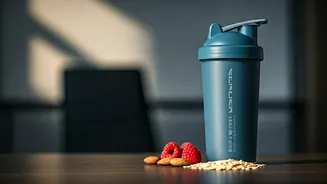
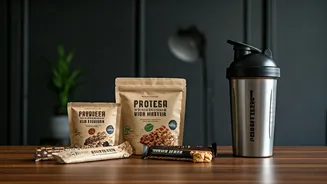
Enter the high-protein product. A 30-gram protein shake isn't just a drink; it's a perfectly packaged solution to the modern workplace dilemma. For around $3 to $5, it offers a compelling value proposition. First, convenience. It’s the ultimate grab-and-go meal, requiring no prep, no cleanup, and no break from the keyboard. Second, satiety. Protein is known to keep you fuller for longer, staving off the temptation of the office snack drawer. But the real genius is psychological. Consuming a protein shake feels like an act of self-optimization. It's not 'giving in' to fast food; it's 'fueling' your body. You're not just eating; you're hitting your macros. This transforms lunch from a chore into a small, quantifiable win in a day that might not have many others. Brands like Fairlife, Premier Protein, and Quest Nutrition aren’t just selling milk and whey; they’re selling control in a bottle.
The Masterclass in Marketing
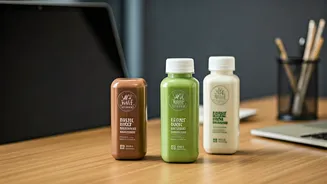
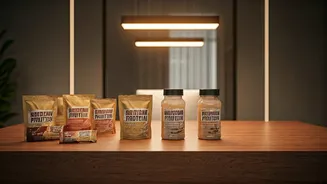
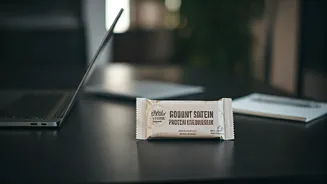
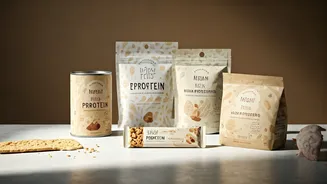
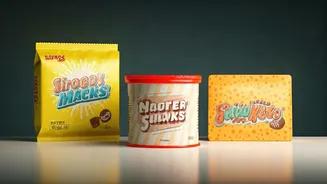
The marketing that targets this demographic is brilliantly subtle. Gone are the days of hyper-masculine tubs of protein powder featuring bulging bodybuilders. Today’s high-protein products sit in the refrigerated section next to cold-brew coffee and kombucha, wrapped in minimalist packaging that screams 'wellness,' not 'weight room.' The color palettes are clean—whites, pastels, and sophisticated earth tones. The messaging focuses on lifestyle benefits: 'energy,' 'focus,' 'recovery.' Influencers who promote these products aren't powerlifters; they’re coders, consultants, and graphic designers filming 'day in the life' vlogs where a protein shake is seamlessly integrated between a morning workout and a 10 a.m. meeting. The product becomes an accessory to an aspirational life of productivity and effortless health.
The Protein-ification of Everything
This trend extends far beyond the liquid lunch. The success of shakes created a blueprint for the 'protein-ification' of the entire grocery store. Consumers can now find high-protein versions of almost anything: chips, cookies, ice cream, coffee, and even instant oatmeal. Each product whispers the same promise: indulge without the guilt. You can have a cookie, but make it a 'Quest' cookie with 15 grams of protein. It's a permission slip to enjoy familiar comforts while still adhering to the modern gospel of wellness. This strategy ingeniously captures a market that wants the satisfaction of a treat without the perceived consequences, further embedding high-protein as the default 'smart' choice for the health-conscious but time-poor consumer.