


Beyond the Restaurant Menu
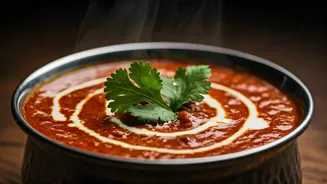
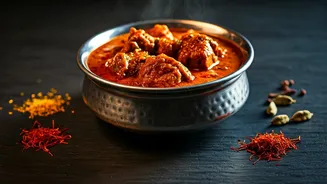
For decades, the perception of “Indian food” in the U.S. and even within India’s urban centers has been remarkably uniform. The menu was predictable: creamy butter chicken, pillowy naan, saag paneer, maybe a vindaloo if the kitchen was feeling spicy.
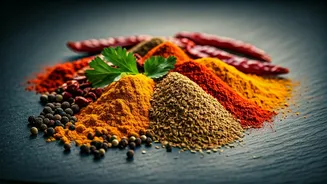
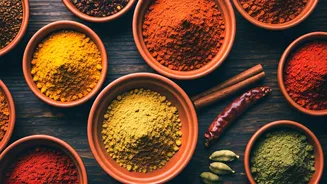
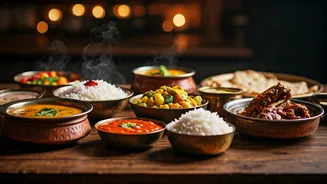
This cuisine, largely rooted in North Indian and Mughlai traditions, is delicious but represents only a tiny fraction of what people on the subcontinent actually eat. The new movement turning heads is a pivot toward what’s known as “ghar ka khana,” which literally translates to “food of the home.” It’s simpler, more regional, and deeply personal. This isn't food designed to impress with complex sauces and professional techniques. It’s the everyday lentil dal, the seasonal vegetable stir-fries (sabzi), the thin, pliable rotis, and the distinct spice blends that vary not just from state to state, but from family to family.
A Celebration of Regional Identity
What makes this trend so compelling is its celebration of diversity. Instead of a single “Indian” flavor profile, chefs and home cooks are proudly showcasing the subcontinent’s vast culinary map. Restaurants are emerging that specialize in the food of a single state or community. You might find a menu dedicated to the subtle, coconut-forward vegetarian cuisine of Kerala, the fiery and complex seafood dishes of Goa, the delicate, mustard-oil-infused flavors of Bengal, or the rustic, hearty preparations from Maharashtra. This isn't just about new tastes; it's a form of cultural storytelling. Each dish comes with a history, a sense of place, and a connection to specific traditions and local ingredients. For diners, it’s an opportunity to move past the buffet line and explore an authentic, living culinary heritage.
Driven by a New Generation
So, why now? The trend is being fueled by a new generation of chefs, entrepreneurs, and diners. For many second- and third-generation members of the Indian diaspora, cooking and eating regional food is a powerful way to connect with a heritage they may feel distanced from. It's an edible link to their roots. Social media has also played a huge role, allowing home cooks to share family recipes and showcase dishes that would never appear on a restaurant menu, creating a digital archive of culinary identity. In India, a growing urban middle class is increasingly interested in exploring its own country's diversity, seeking out authentic experiences that go beyond the familiar. Chefs who once trained in classical French techniques are now returning to their grandmothers’ kitchens for inspiration, realizing that the most profound flavors are often the ones they grew up with.
Finding the Flavor of Home
This movement redefines what makes a dish “good.” Instead of technical perfection, the highest praise is that it “tastes just like my mom’s” or “reminds me of my childhood.” It's a culinary experience centered on emotion and memory. Restaurants championing this trend often have shorter, more focused menus that change with the seasons, just like a home kitchen would. In cities like New York, London, and San Francisco, new eateries are forgoing the opulent decor of old-school Indian restaurants in favor of cozier, more personal spaces. They are serving dishes like khichdi (a comforting rice and lentil porridge), poha (flattened rice flakes), and simple fish curries—food that nourishes the soul as much as the body. It’s a quiet, confident assertion that the humble, everyday flavors of home are not just valid, but worthy of the spotlight.