

The Backlash Against the 'Photo Dump'
We all know the ritual. After a trip, you scroll through hundreds, if not thousands, of nearly identical photos on your phone. You select the ten most passable ones, throw them on Instagram with a vague caption like "Postcards from Italy," and call it a day.
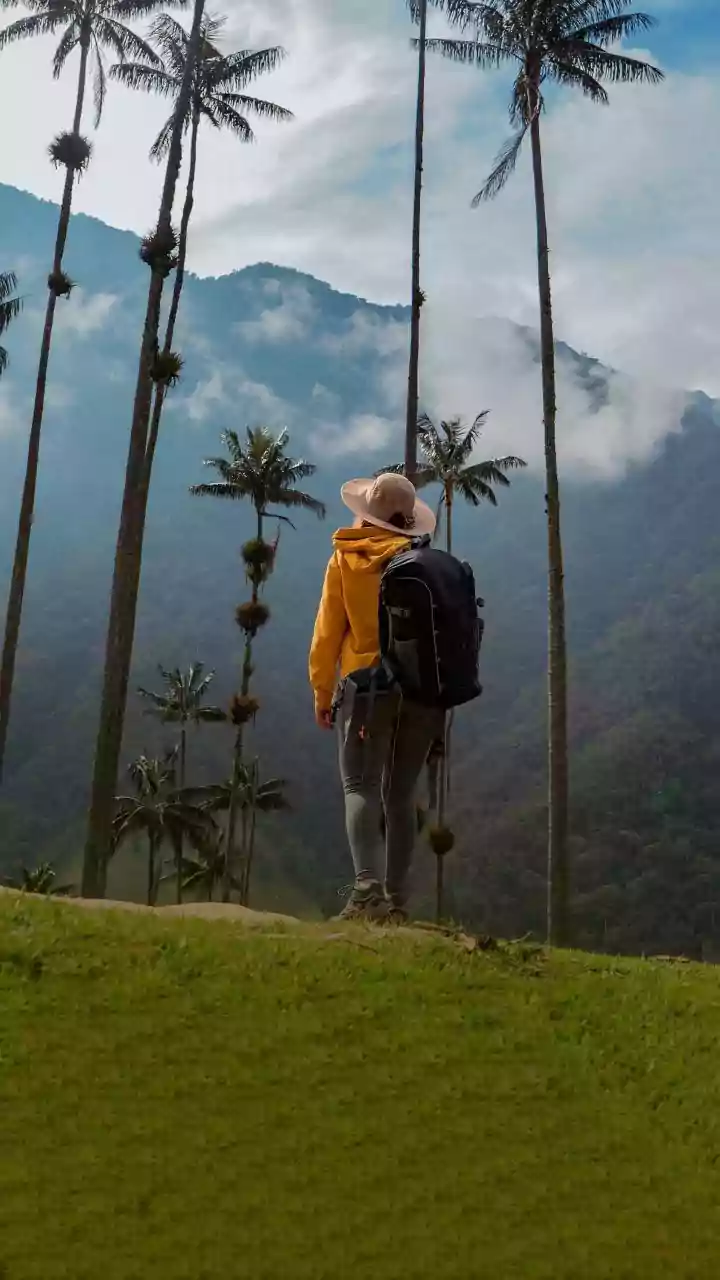
This is the era of the photo dump—a low-effort, semi-curated stream of consciousness designed to prove you were there. Yet, for many, the novelty has worn off. The dump feels less like sharing a memory and more like clearing a digital backlog. It’s performative, ephemeral, and rarely captures the sensory details that made the trip special: the smell of a Parisian bakery, the texture of a worn cobblestone, the specific shade of a desert sunset. It documents that you went somewhere, but it often fails to preserve the feeling of the experience itself. The endless scroll of a camera roll becomes a repository of unfulfilled storytelling potential, a digital graveyard of moments snapped but not truly seen.
The Rise of the Mindful Memory
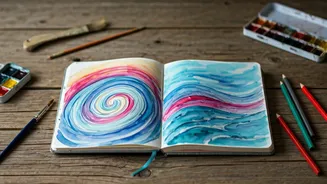
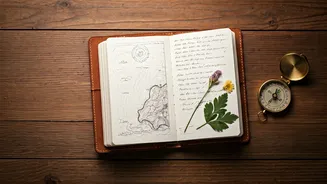
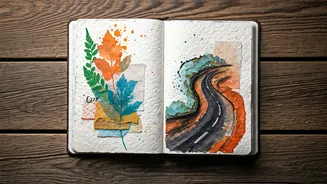
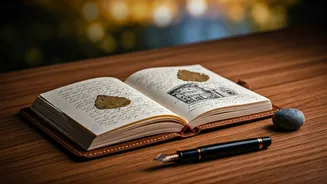
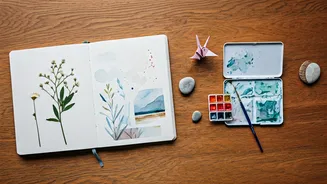
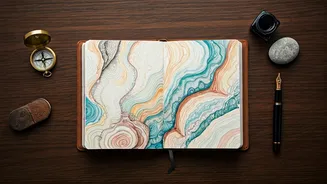
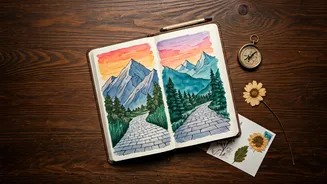
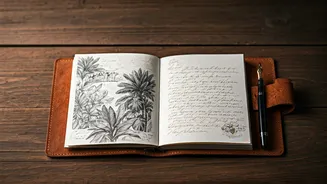
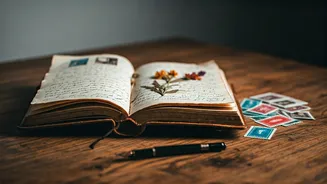
In response, a cohort of creative travelers is turning inward and backward, embracing the tangible, thoughtful practice of journaling. But these aren’t your teenage sister’s “Dear Diary” entries. Modern travel journals are multimedia masterpieces of the self. They are collages of experience, blending sketches, watercolors, pressed flowers, ticket stubs, maps, and handwritten reflections. The goal isn’t just to record what happened, but to engage with the destination on a deeper level. The act of sitting down to sketch a building forces you to notice its architecture in a way a quick photo never could. Taking a moment to write down a snippet of conversation you overheard in a cafe cements the local dialect in your memory. Gluing a train ticket next to a drawing of the view from the window creates a powerful, personal artifact that a digital photo album can’t replicate. It’s a form of mindful travel, transforming passive observation into active participation. The journal becomes a collaborator in your adventure, prompting you to look closer and feel more.
It’s About the Process, Not Perfection
The immediate reaction for many is intimidation. “But I can’t draw,” or “My handwriting is terrible.” This is where the trend’s true beauty lies: it’s a rebellion against the curated perfection that has dominated social media for the past decade. A travel journal is not meant for an audience; it’s meant for you. A wobbly sketch of the Eiffel Tower holds more personal meaning than a flawless, stock-style photo because you invested time and attention into creating it. The smudged ink from a sudden rain shower or a coffee stain on a page becomes part of the story, not a flaw to be edited out. This movement prioritizes authenticity over aesthetics and process over product. It’s a quiet revolution that says your personal, imperfect experience is more valuable than a polished, public performance. It gives you permission to be an amateur, to play, and to create something that is unapologetically yours.
How to Start Your Own Travel Journal
Getting started is simpler than you think. First, pick a notebook that feels good to you—it doesn’t have to be a fancy leather-bound tome. A simple Moleskine or even a sturdy spiral-bound sketchbook will do. Next, assemble a small, portable kit. At a minimum, you need a good pen. To level up, consider adding a small glue stick for ephemera, a tiny watercolor palette, a water brush, and a few colored pencils. Don’t overthink what to include. Start small. Paste in your boarding pass. Write down the best thing you ate that day. Describe a person you saw. Try a quick, five-minute sketch of your coffee cup. The key is to make it a low-pressure, enjoyable ritual, not another item on your travel to-do list. Spend just 15 minutes with it each evening before bed to download the day’s sensory highlights, and you'll quickly find it becomes an essential part of your journey.