



The End of the 'Clean Eating' Monolith
The wellness industry has long operated on a narrow definition of health, one that often presented a whitewashed, Eurocentric ideal. 'Clean eating' became shorthand for a restrictive diet that prized plainness over flavor, inadvertently casting vibrant,
complex cuisines from around the world as 'unhealthy.' For many young people from diaspora communities, this created a frustrating conflict: embrace the food of their culture or conform to a fitness world that didn't seem to have a place for it. Now, a new generation is refusing to make that choice. Armed with social media and a renewed sense of cultural pride, Gen Z creators and health enthusiasts are pushing back. They’re demonstrating that the path to fitness doesn’t have to mean abandoning flavor, spice, and heritage. Instead, they’re finding the power already present in the foods they grew up with.
Dal: The Unsung Protein Powerhouse
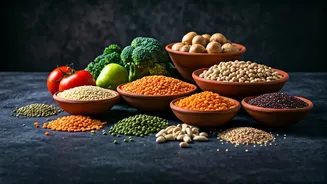
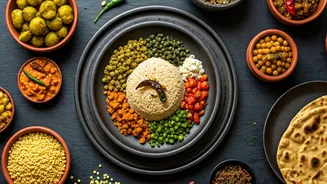
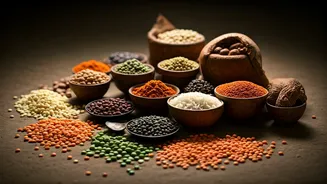
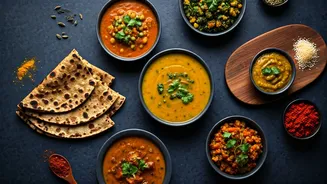
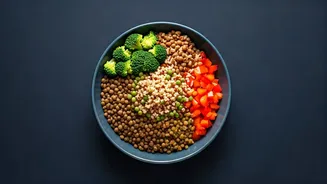
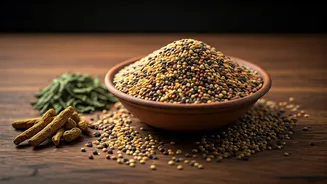
At the forefront of this movement is the humble lentil. While bodybuilders have long sworn by whey protein shakes, many Indian Americans are highlighting dal—a staple dish made from lentils or split pulses—as a superior, plant-based source of protein and fiber. A single cup of cooked lentils can pack around 18 grams of protein and 16 grams of fiber, making it a nutritional powerhouse for muscle repair and sustained energy. On platforms like TikTok and Instagram, you'll find young fitness influencers sharing their parents’ recipes for tadka dal or dal makhani, meticulously logging the macros and celebrating them as ideal post-workout meals. They’re reframing a comforting family staple as high-performance fuel, proving that you don’t need chalky powders when you have a bowl of perfectly spiced legumes.
More Than Just Macros
This trend is about more than just hitting nutritional targets. It’s an act of cultural reclamation. For many second-generation Americans, the foods of their parents were once a source of playground embarrassment—the fragrant spices marking them as different. Now, those same aromas are a badge of honor. By centering Indian recipes in their wellness journeys, they are decolonizing their diets and asserting that their heritage is not only valid but aspirational. This shift challenges the multi-billion-dollar wellness industry to broaden its perspective. It’s a quiet revolution fought with turmeric and chickpeas, asserting that health is not a monolithic concept. It can be a bowl of chana masala, rich in plant-based protein, or a serving of khichdi, a comforting rice and lentil dish that’s excellent for gut health and recovery.
Your Spice Cabinet Is a Medicine Cabinet
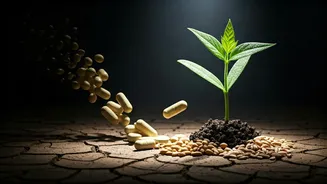
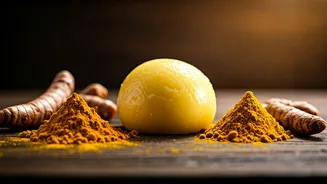
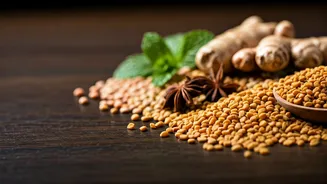
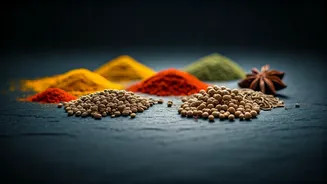
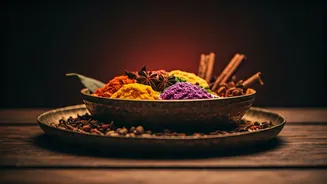
Another key element is the rediscovery of spices as functional ingredients. For centuries, Ayurvedic tradition has harnessed the power of spices for health, and Gen Z is connecting this ancient wisdom to modern science. Turmeric, a cornerstone of Indian cooking, is celebrated for its powerful anti-inflammatory compound, curcumin. Ginger is a go-to for digestion and nausea, while cumin is linked to improved digestion and blood sugar control. Rather than buying expensive supplements, these young people are simply cooking. They’re making 'golden milk' (haldi doodh) for recovery, adding extra ginger to their morning chai for an immune boost, and using a complex blend of spices (garam masala) that does more than just add flavor. It’s a holistic approach that sees food as both nourishment and medicine, a concept deeply embedded in Indian culture.