








The Summer Standstill
To understand Delhi in June is to understand heat not just as a temperature, but as a physical presence. After the sun sets, the concrete and asphalt of the sprawling metropolis begin to exhale a day’s worth of absorbed solar energy. Temperatures that
peaked at 110°F might dip to a merely scorching 90°F, with humidity that makes the air feel like a wet blanket. For a city celebrated globally for its street food—its sizzling kebabs, crispy golgappe, and rich, spicy chaat—this presents a problem. Venturing out for these roadside delicacies means contending with traffic fumes, dust, and a suffocating lack of breeze. The most sensible people stay in, surrendering to the hum of the air conditioner, and a vital part of the city’s social fabric goes dormant.
An Ocean of Unused Space
Look up in almost any Delhi neighborhood, and you will see the city’s great untapped resource: its rooftops. From the dense warrens of Old Delhi to the orderly blocks of South Delhi, countless flat roofs sit empty and dormant every night. In a city where space on the ground is a precious, contested commodity, this aerial real estate is a vast, open secret. While a handful of high-end hotels and bars have capitalized on their rooftop views, the concept has yet to become a democratic, accessible part of city life. These spaces are often used for little more than storing water tanks and satellite dishes—a blank canvas hovering just above the chaos, catching whatever slight breeze might stir in the evening air.
Imagining the Rooftop Bazaar
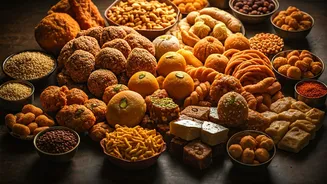
Now, imagine this. As dusk settles, these rooftops come to life. Not with exclusive, velvet-rope bars, but with organized, open-air food markets. Picture a collection of vendors, each with a clean, well-lit stall, serving the very best of Delhi’s culinary offerings. One stall offers perfectly spiced chole bhature, another turns out delicate roomali rotis. Down the way, a vendor expertly fills golgappe with tangy water, while another grills succulent seekh kebabs over charcoal. String lights are draped between poles, casting a warm glow. Simple, communal tables and benches invite strangers to sit together. It’s the energy and variety of a street market, elevated—literally. Think of it as a hybrid of a Brooklyn Smorgasburg and a Singaporean hawker center, but tailored for the unique character of Delhi. The slight elevation provides a reprieve from the street-level heat, offering a breeze and a new perspective on the city below.
A Cooler, Cleaner, Kinder Model
The benefits of such a system would be transformative. For vendors, it offers a formal, organized, and more hygienic alternative to the precariousness of a roadside cart. It creates a legitimate business environment with access to electricity and water, freeing them from the constant negotiation with traffic and authorities. For patrons—both locals and tourists—it provides a comfortable and safe way to experience the city's food culture. You get the authenticity without the anxiety. Families could come out after dinner for a shared kulfi. Friends could meet for a plate of momos without shouting over the sound of car horns. These markets would create new centers of community, fostering a shared public life that the summer heat currently stifles. They would become destinations in their own right, showcasing the incredible diversity of Indian cuisine in a setting that is as magical as the food itself.