

More Than Just a Garnish
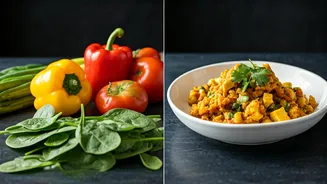
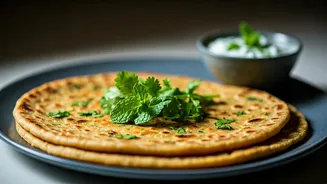
When you hear “greener” parathas and raita, your first thought might be about color, and you wouldn’t be wrong. This is the most visible part of the trend. While spinach (palak) and fenugreek (methi) parathas have long been staples in North Indian homes,
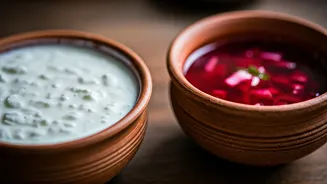
their popularity is surging. But the movement goes beyond these classics. Creative home cooks and chefs are now kneading everything from finely chopped kale and arugula to nutrient-dense moringa powder directly into the dough. This not only imbues the bread with a vibrant hue but also packs in vitamins and a modern, slightly bitter complexity that plays well against the richness of the flatbread. Similarly, raita is moving beyond the standard sprinkle of cilantro. We’re seeing vividly green dips swirled with avocado, blended with roasted jalapeño and herbs for a spicy kick, or infused with entire purees of mint and cilantro, turning the condiment into a star player rather than a simple side.
A Wellness-Focused Makeover
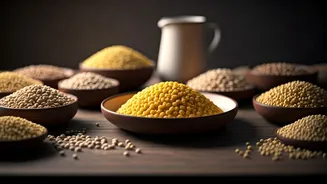
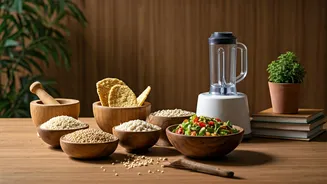
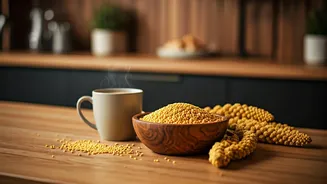
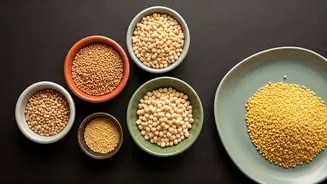
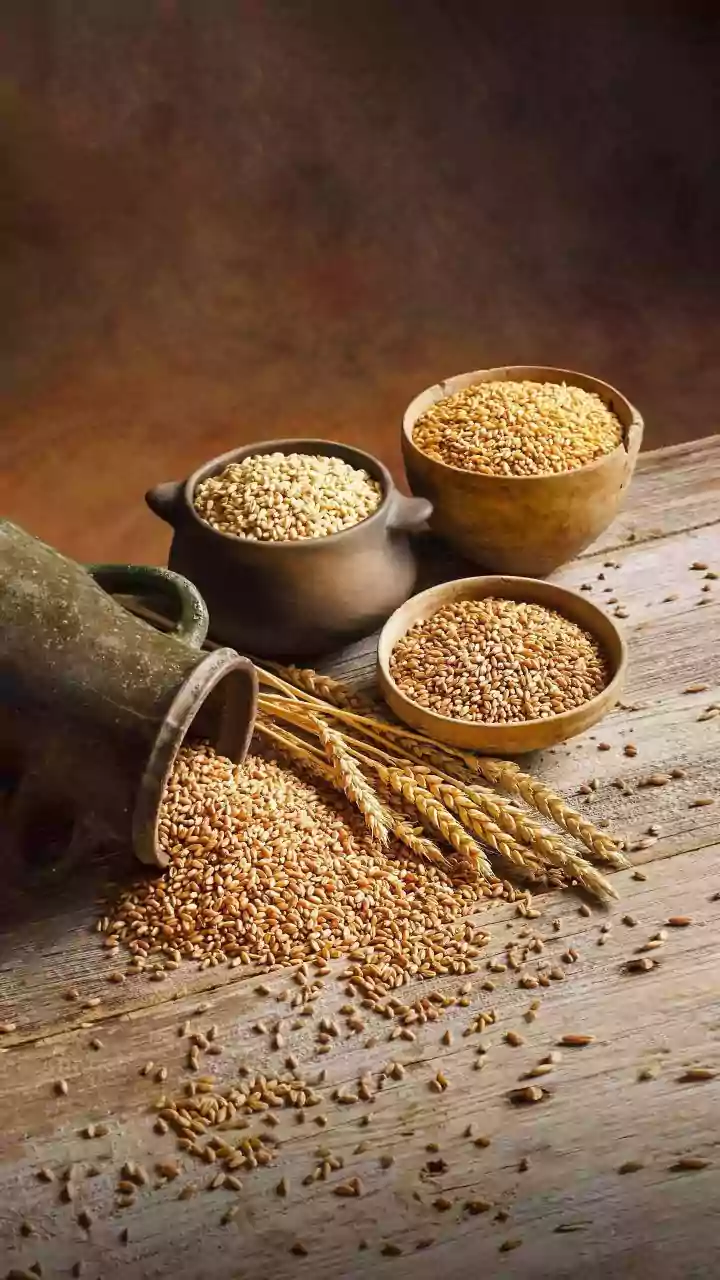
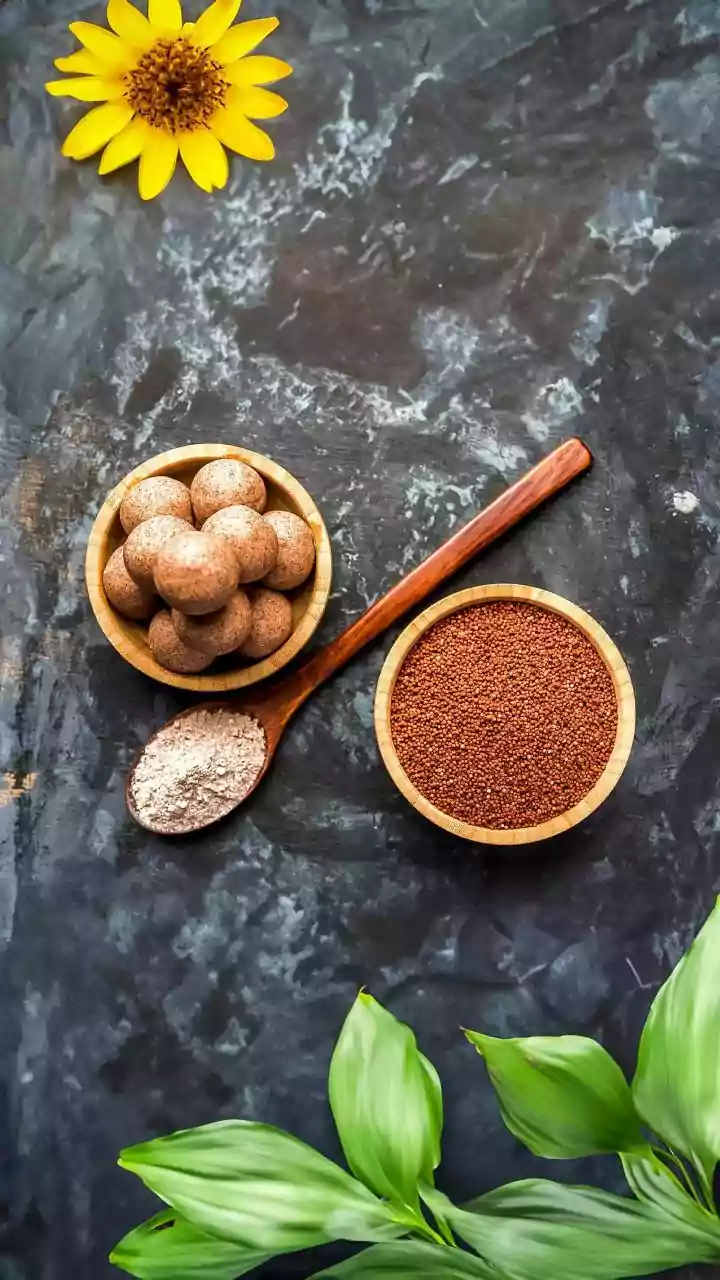
The second, more philosophical meaning of “greener” points toward health and wellness. The traditional paratha, often fried in a generous amount of ghee or oil, is pure comfort but can be a heavy affair. The modern, greener approach seeks to lighten the load without sacrificing satisfaction. This starts with the flour. While whole wheat (atta) is the traditional base, there’s a new emphasis on ancient grains and alternative flours. You’ll now find recipes using millet, sorghum, or even almond flour for a lower-carb, gluten-conscious option. The cooking method is also getting an update. Instead of being shallow-fried, parathas are increasingly being baked in the oven or crisped up in an air fryer with just a light brush of oil, resulting in a texture that’s less greasy but still delightfully flaky. Raita, already a healthy dish, is being leaned into for its probiotic benefits, with an emphasis on high-quality, live-culture yogurts and a lower emphasis on sugar or salt.
Sustainability on the Plate
Perhaps the most significant shift is toward environmental sustainability, largely driven by the rise of plant-based eating. A classic paratha and raita combo is fundamentally vegetarian, but it’s not vegan, thanks to the starring roles of ghee (clarified butter) and dairy-based yogurt. The “greener” evolution is changing that. Ghee is being swapped for high-quality vegan alternatives, such as coconut oil or sophisticated blends that mimic butter’s flavor. This makes the paratha accessible to a fully vegan diner. The bigger challenge was always the raita. For years, a satisfying dairy-free version was elusive. But the recent explosion in quality plant-based yogurts has been a game-changer. Creamy, tangy yogurts made from cashews, almonds, coconut, or soy now provide a fantastic base for raita. When seasoned with roasted cumin, chaat masala, and fresh herbs, they are nearly indistinguishable from their dairy counterparts, finally completing the plant-based pairing.
A New Culinary Identity
So, why is this happening now? This green wave is being powered by a generation of chefs, food bloggers, and home cooks—many from the South Asian diaspora—who are navigating a dual identity. They hold a deep love for the flavors they grew up with while simultaneously being immersed in contemporary American food culture, with its focus on wellness, clean eating, and environmental consciousness. For them, adapting a recipe isn't an act of rebellion against tradition; it's an act of preservation. By making these beloved dishes healthier, more sustainable, and inclusive of modern dietary needs like veganism, they are ensuring that parathas and raita remain relevant. It’s a way of saying, “This is our heritage, and it has a place at the modern table.” This evolution keeps the soul of the cuisine alive, allowing it to breathe and grow with the people who cherish it.