



The Rise of 'Gymtimidation'
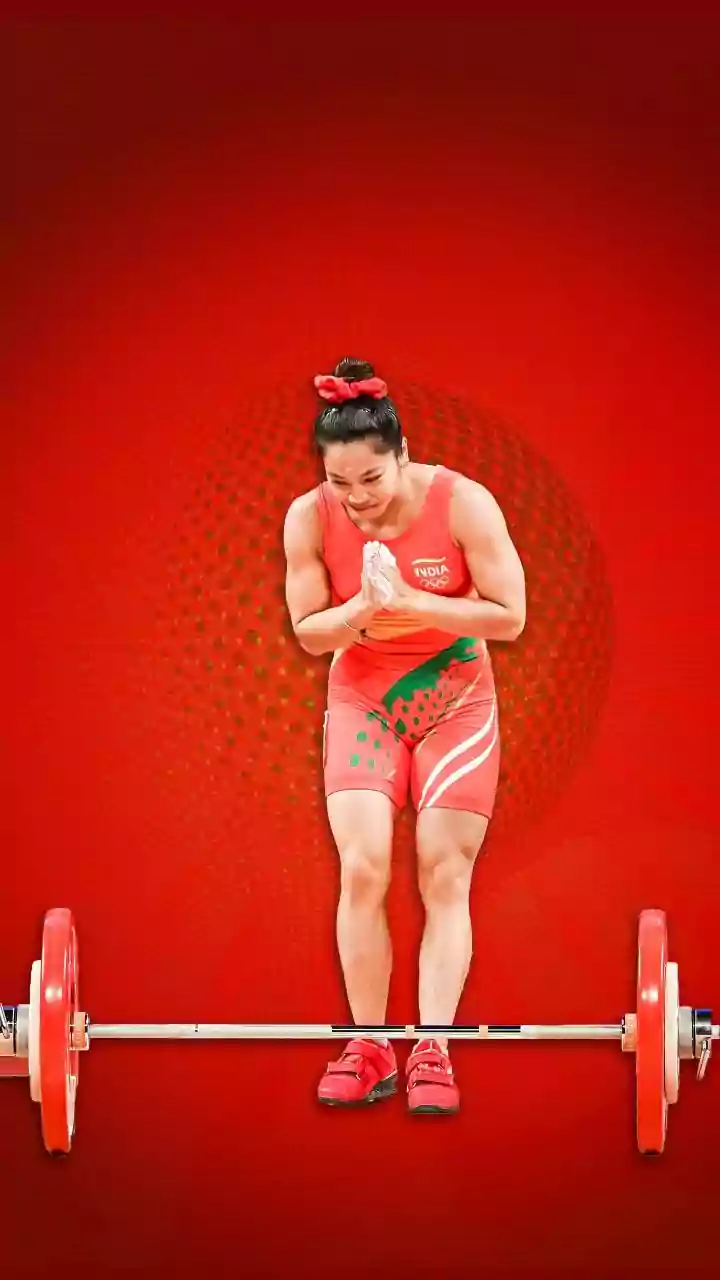
Let’s give it a name: 'gymtimidation.' It’s that potent mix of anxiety, self-consciousness, and confusion that can make walking into a traditional gym feel like stepping onto a stage without a script. For years, the fitness industry catered primarily
to the already fit, showcasing a world of complex machines, clanging barbells, and an unspoken expectation that you should already know what you’re doing. This environment, whether intentionally or not, has excluded millions of Americans who want to be healthier but feel overwhelmed. The fear of being judged for using equipment incorrectly, not having the 'right' physique, or looking lost is a powerful deterrent, and it’s a feeling that social media, for all its faults, has finally helped validate on a massive scale.
A New, Gentler Definition of Fitness
The new wave of beginner fitness is a direct response to this widespread intimidation. It redefines a 'good workout' by shifting the focus from intensity and performance to consistency and enjoyment. This isn’t about watered-down versions of elite routines; it’s a completely different philosophy. It champions the idea that all movement is good movement. A 15-minute walk around the block is a win. Stretching while watching TV is a win. A low-impact dance video in your living room is a win. This approach removes the pressure of competition and comparison, reframing exercise as a form of self-care rather than a punishing chore. The goal is no longer to 'crush' a workout but to build a positive, sustainable relationship with physical activity.
Meet 'Cozy Cardio' and Other Viral Trends
This movement has found its champions online, particularly on TikTok. The most prominent example is 'cozy cardio.' The trend sees users setting up a comfortable, low-key environment—complete with candles, a favorite show on a tablet, and maybe a special drink—before hopping on a walking pad or stationary bike for a low-intensity session. It’s the antithesis of the 'no pain, no gain' mantra. Similarly, 'soft hiking' emphasizes enjoying nature on gentle trails over conquering treacherous peaks. These aren't just fads; they are tangible examples of people reclaiming fitness on their own terms. They demonstrate that you don't need expensive gear, a specific setting, or a high pain tolerance to improve your health. You just need to find something you enjoy enough to do regularly.
How to Get Started (Without the Stress)
The beauty of this trend is its low barrier to entry. If you're feeling inspired, the best first step is a small one. Don't commit to a 90-day transformation challenge; commit to a 10-minute walk after dinner tonight. Explore the vast world of free beginner workouts on YouTube. Search for 'beginner yoga,' '15-minute bodyweight workout,' or 'low-impact cardio.' Look for instructors who have a welcoming and non-judgmental tone. The key is to experiment without pressure. If you don't like one style, try another. The goal isn't to find the 'most effective' workout, but the one you are most likely to do again tomorrow.
Finding Your Community (Or Not)
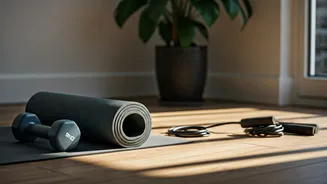
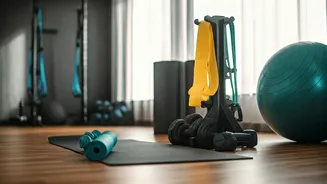
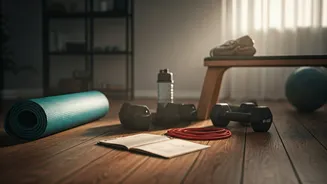
While this movement is largely powered by solo, at-home workouts, you don't have to go it alone unless you want to. Many online communities and forums offer support without the in-person pressure. If you do crave some real-world connection, consider smaller, specialized studios for activities like yoga, Pilates, or tai chi, which often foster a more welcoming, community-focused atmosphere than a sprawling big-box gym. But the most important takeaway is that working out solo is just as valid. The best fitness plan is the one that fits your life and your comfort level, whether that’s in a class of 20, with an online community, or just you and a yoga mat in your living room.