






India’s Silicon Valley Needs a Break
First, a little context for those who know Bengaluru only as a hub of code and call centers. The city, often called the “Silicon Valley of India,” is a magnet for the country's brightest young minds. It’s a place of high-stakes tech jobs, long hours,
and relentless ambition. The workforce is young, digitally native, and globally aware, earning solid salaries but also facing intense professional pressure. This environment creates a powerful craving for escape—not just any escape, but one that feels meaningful and restorative. The pressure cooker of corporate life has fostered a generation that values wellness and work-life balance, at least in theory. They don't just want to log off; they want to recharge in a way that feels like a genuine return on their hard-earned time and money. This psychological backdrop is crucial to understanding why a simple, cheap getaway no longer cuts it.
The Monsoon Advantage
For much of India, July means monsoon season. While torrential rains might sound like a vacation-killer to a Westerner, it’s a celebrated and transformative time in many parts of the country. The heat of the preceding months breaks, landscapes explode into lush, vibrant green, and waterfalls roar back to life. For savvy travelers, the monsoon is an opportunity.
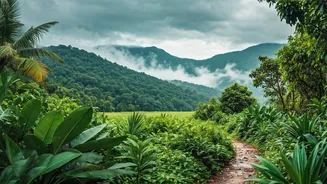
It’s technically the off-season for many traditional tourist hot-spots, which means fewer crowds and lower prices. This is the sweet spot for Bengaluru's discerning traveler. They can access destinations that might be prohibitively expensive during the peak winter season. The goal isn't just to find a deal, but to experience a place in its most dramatic and beautiful state. Think misty hills in Coorg, verdant tea plantations in the Western Ghats, or the rain-washed, romantic streets of Goa. The monsoon itself becomes part of the luxury experience.
What 'Bigger Than Budget' Really Means
This is the heart of the matter. “Bigger than budget” isn’t about being stingy; it’s about being smart. It’s a rejection of both extravagant, five-star splurges and bare-bones backpacking. Instead, it’s a hunt for maximum value, where value is measured in experience, aesthetics, and authenticity.
In practice, this looks like choosing a chic boutique homestay with a unique design and a personal touch over a faceless, mid-range hotel chain. It means skipping the generic tourist-trap restaurant for a curated food walk that explores local delicacies. It might involve splurging on one key activity—like a private coffee estate tour or a serene backwater boat trip—while saving on transport. It’s also about the rise of the “workation,” where professionals rent a beautiful villa with high-speed internet for a week, blending productive workdays with scenic evenings. The location has to be Instagram-worthy, the experience has to be memorable, and the cost has to feel justified by the incredible story you get to tell afterward.
A Global Mood in a Local Scene
If this trend sounds familiar, it’s because it is. The mindset of the Bengaluru traveler is a perfect snapshot of a global, post-pandemic shift in consumer behavior. Across the world, people are more intentional about their spending. After years of lockdowns and uncertainty, experiences are prized over possessions, and quality is prized over quantity. The pandemic taught many the value of time and the importance of making memories.
What makes Bengaluru such a fascinating case study is the concentration of factors: a young, well-paid but stressed-out workforce; proximity to stunning and diverse landscapes; and a cultural moment that champions a modern, balanced lifestyle. They are early adopters of a new travel philosophy that’s spreading worldwide: the pursuit of affordable luxury, where the ultimate status symbol isn’t how much you spent, but how much value and meaning you extracted from your trip.