

Meet Moringa, The 'Drumstick Tree'
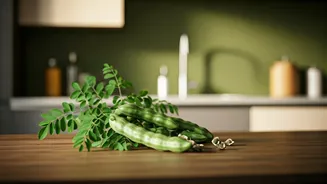
If you haven’t heard of moringa yet, you will soon. Hailing from parts of India and Africa, the *Moringa oleifera* tree is often called the 'drumstick tree' (for its long seed pods) or, more ambitiously, the 'miracle tree.' While we’ll skip the miraculous
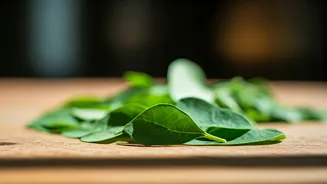
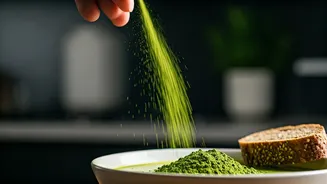
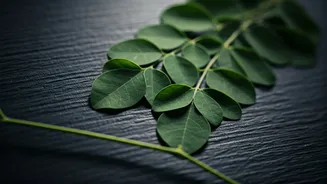
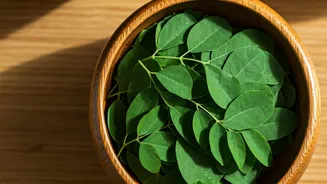
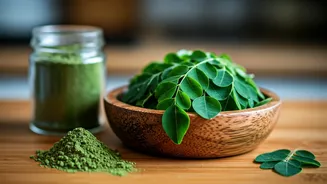
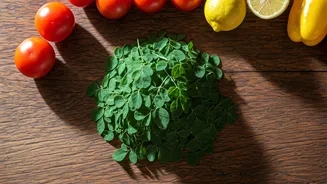
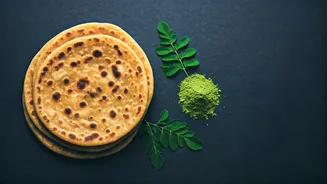
claims, its reputation comes from its incredible resilience and the fact that nearly every part of the tree has been used for food or traditional medicine for centuries. For most of us in the U.S., the most accessible part is the leaves. They are available in two main forms: as delicate, fresh greens resembling tiny clover leaves, or as a fine, emerald-green powder made from dried leaves. Both offer a simple way to add a new dimension to your cooking.
Nutrient-Dense, Not Magic
Moringa's 'superfood' status is largely tied to its dense nutritional profile. The leaves are a notable source of vitamins and minerals. According to the USDA, fresh moringa leaves are packed with Vitamin C—an excellent antioxidant for supporting your immune system. The powdered form concentrates these nutrients, offering a significant source of iron, calcium, protein, and Vitamin A. While it's a fantastic nutritional booster, it's important to frame it correctly: moringa is a healthy food, not a magic pill that cures ailments. Think of it as a more potent cousin to spinach. As with any new food, it's wise to start with a small amount. Those who are pregnant, breastfeeding, or on medication for thyroid, blood sugar, or blood pressure should consult a doctor before making it a regular part of their diet.
So, What Does It Taste Like?
The big question for any new green is always about flavor. Fresh moringa leaves have a mild, slightly earthy taste with a peppery finish, somewhere between arugula and watercress. They are tender enough to be eaten raw in salads without overpowering other ingredients. Moringa powder is a different experience. It's more concentrated and has a distinctly 'green,' earthy flavor, similar to matcha or high-quality green tea, with a touch of spinach-like notes. A little goes a long way; using too much can result in a bitter or medicinal taste. The key is to incorporate the powder into recipes where its flavor can be balanced by other ingredients, like fruit in a smoothie or garlic and lemon in a dressing.
Easy Ways to Use Moringa This Summer
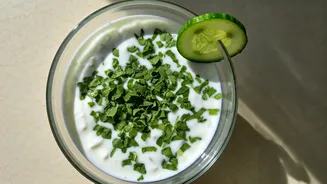
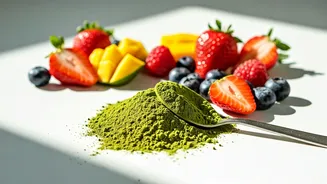
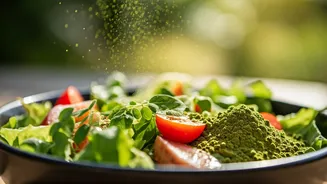
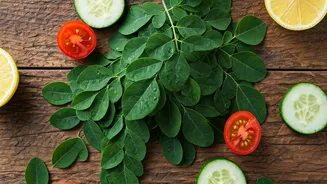
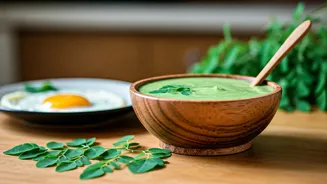
Ready to get started? Moringa is incredibly versatile and shines in light, fresh summer meals. 1. Toss it in Salads: If you can find fresh moringa leaves (check international markets or specialty grocers), treat them like any other delicate green. Toss a handful into a mixed green salad for a peppery, nutritious kick. They pair beautifully with a simple vinaigrette, feta cheese, and seasonal fruit like peaches or berries. 2. Boost Your Smoothie: This is the most popular way to use moringa powder. Add a teaspoon to your morning smoothie. Its earthy flavor is easily masked by banana, pineapple, mango, and a squeeze of lime. It will turn your drink a vibrant green and add protein and vitamins without altering the texture. 3. Whisk into Dressings and Sauces: Give your salad dressing an upgrade. Whisk a half-teaspoon of moringa powder into a lemon-tahini dressing or a classic vinaigrette. You can also stir it into a summery pesto, guacamole, or a yogurt-based dip for a subtle health boost and a beautiful color. 4. Wilt into Hot Dishes: Treat fresh moringa leaves like spinach. As you finish cooking a pasta sauce, soup, or a stir-fry, turn off the heat and stir in a few cups of fresh leaves. They will wilt in seconds, adding freshness and nutrients right before serving.
Your Moringa Shopping Guide
Finding moringa is easier than ever. Look for moringa powder online or in the supplement or tea aisle of well-stocked grocery stores and health food shops. Opt for brands that are certified organic and specify that they use only the leaves. The powder should be a bright, vibrant green; a brownish or dull color indicates lower quality and oxidation. Fresh moringa leaves are more of a hunt but are worth it. You can often find them at farmers' markets in warmer climates (like Florida and California) or at South Asian, African, and Latin American grocery stores. Look for bright green, perky leaves with no yellowing or wilting.