


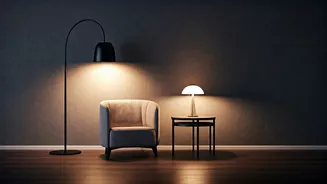


Understand the Three Layers of Light
Professional designers don't just put a single bright light in the center of a room. They think in layers to create depth and functionality. The first step is to understand these three types. • **Ambient Lighting:** This is the room's overall illumination,
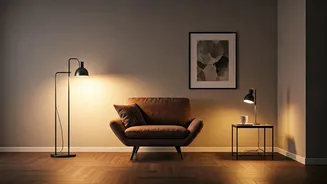
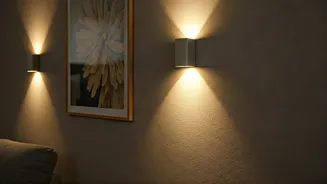
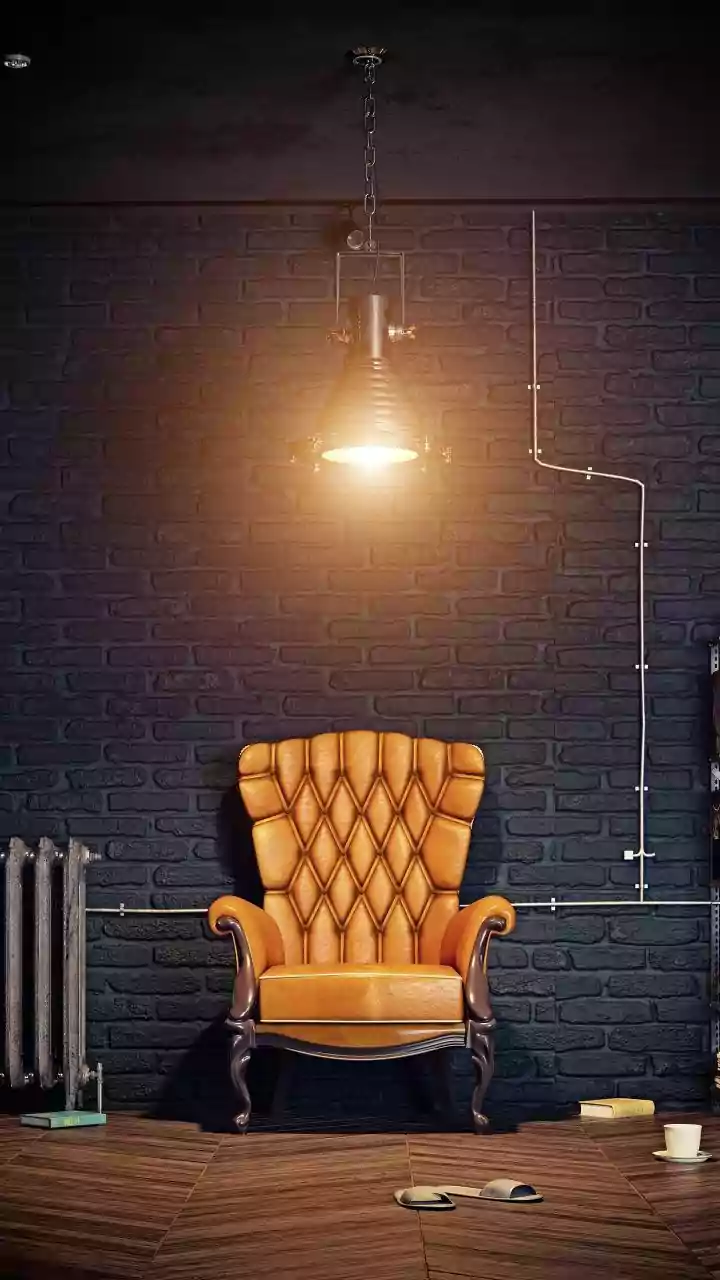
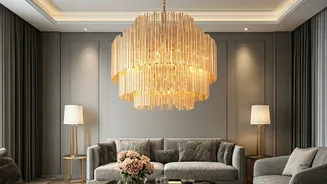
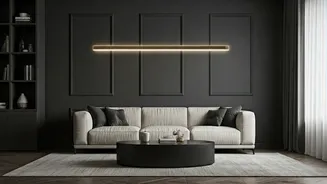
the foundation of your lightscape. It's your ceiling fixtures, recessed lights, or chandeliers that provide general, comfortable brightness. • **Task Lighting:** This is focused light for specific activities. Think of a reading lamp by a chair, under-cabinet lights in the kitchen for chopping vegetables, or a desk lamp in your home office. It prevents eye strain and makes activities easier. • **Accent Lighting:** This is the fun part. Accent lighting is used to highlight architectural features, artwork, or plants. Picture a spotlight aimed at a favorite painting or a small uplight behind a large potted fern. It adds drama and personality.
Master Color Temperature
Have you ever bought a lightbulb that made your cozy living room feel like a sterile hospital? That’s color temperature at work. Measured in Kelvins (K), it determines whether light appears warm (yellowish) or cool (bluish). It’s not about brightness, but mood. For living rooms, dens, and bedrooms, stick to “warm white” or “soft white” bulbs, typically in the 2700K to 3000K range. This creates a relaxing, inviting atmosphere. For kitchens, bathrooms, and home offices where you need to be more alert, a “cool white” or “daylight” bulb (3500K to 5000K) can feel more energizing and render colors more accurately. Swapping a few bulbs is the cheapest, fastest way to completely change a room’s vibe.
Install Dimmers Everywhere
If you make only one change, make it this one. Installing a dimmer switch is a low-cost, high-impact upgrade that gives you complete control over a room's atmosphere. A living room can go from bright and functional for cleaning or family game night to low and moody for a movie with the simple slide of a switch. Dimmers allow one light fixture to serve multiple purposes, effectively turning your basic ambient lighting into a flexible mood-setter. They also save energy and extend the life of your bulbs. While you can hire an electrician, confident DIYers can often install a standard dimmer switch in under an hour with basic tools.
Get Smart with Plugs and Bulbs
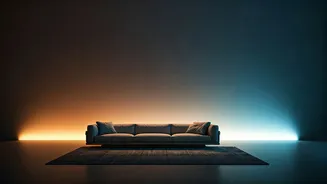
You don't need a complex, expensive smart home system to reap the benefits of smart lighting. The entry point is incredibly affordable. A few smart plugs can turn any existing lamp into a smart device, allowing you to control it with your phone or voice assistant. This is perfect for turning on lights before you get home or setting schedules. Alternatively, you can swap your regular bulbs for smart bulbs. These offer even more control, allowing you to change not only brightness but often color, too. Imagine changing your living room lights to a subtle blue for a party or a warm amber for a quiet evening, all from an app on your phone.
Think Beyond the Ceiling
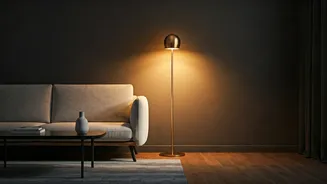
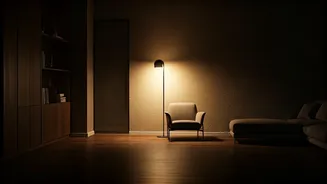
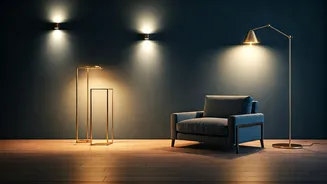
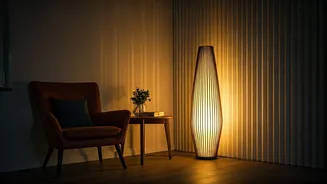
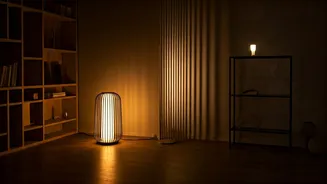
Many homes rely solely on overhead lighting, which can cast harsh shadows and feel flat. To create a more dynamic and welcoming space, distribute your light sources around the room and at different heights. A floor lamp in a dark corner can make the entire room feel larger and more balanced. A small table lamp on a bookshelf or entryway console adds a warm, welcoming glow. Consider battery-powered puck lights for the inside of cabinets or under shelving—they require no wiring and add an instant touch of sophistication. By varying the location and height of your light sources, you create a richer, more visually interesting environment.