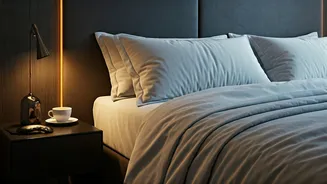







From Burnout Culture to Bedding Down
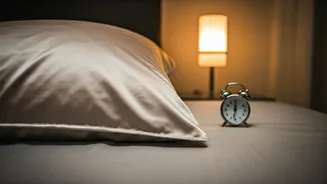
For years, the narrative of success was written in sleepless nights. We glorified the “hustle,” lionized the CEOs who slept four hours a night, and wore our exhaustion like a badge of honor. But the pendulum is swinging back, hard. In an era of chronic
burnout, digital fatigue, and a constant barrage of notifications, true luxury is no longer about accumulation, but restoration. We’re suffering from a collective “sleep debt,” and the affluent are increasingly willing to pay a premium to settle the account. The new flex isn’t about showing off how little you sleep, but about having the resources and time to prioritize rest in a world that seems engineered to prevent it. It signals that you’re so successful you can afford to disconnect completely.
The Rise of the 'Sleep Retreat'
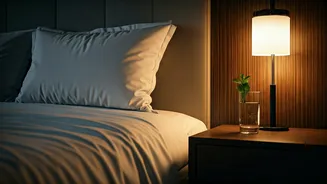
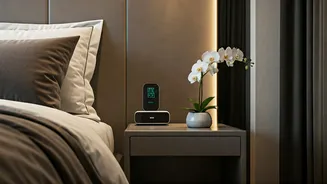
The hospitality industry, ever responsive to the desires of its clientele, has taken notice. The result is a new wave of “sleep tourism,” where the hotel bed is no longer just a piece of furniture, but the main attraction. High-end hotels and resorts are rolling out dedicated sleep programs that go far beyond a simple pillow menu. Five-star properties like the Park Hyatt New York and Rosewood hotels are introducing entire “sleep suites” outfitted with soundproofing, blackout curtains, and AI-powered beds that adjust to your body temperature and movement throughout the night. Brands like Six Senses have built their reputation on wellness, offering guests consultations with sleep doctors and providing wearable tech to track sleep quality. These aren't just vacations; they're prescribed, immersive experiences designed to reset your circadian rhythm. From sound baths and guided meditation to aromatherapy and dedicated “sleep concierges,” the goal is to create a perfect, womb-like environment for slumber.
Monetizing the Quest for REM
This trend isn't just about good hospitality; it's a savvy business move. The global “sleep economy”—encompassing everything from mattresses and weighted blankets to meditation apps and supplements—is a multi-billion dollar market. Hotels are positioning themselves as the ultimate physical gateway to this world. By partnering with high-tech sleep companies like Bryte or stocking rooms with premium Hästens beds that can cost upwards of $20,000, they are transforming a standard room into a high-performance sleep lab. This allows them to create a new, monetizable category of wellness experience. Guests aren't just paying for a room; they're investing in a quantifiable outcome—better sleep, which they hope to translate into better performance, focus, and health back in their daily lives.
The New Definition of Escape
Ultimately, the rise of sleep as a luxury flex speaks to a profound shift in our definition of an “escape.” It used to mean getting away to a different place. Now, for many, it means getting away from a state of being: tired, wired, and overwhelmed. An exotic zip code is less important than achieving a state of deep rest. The Instagram-worthy photo is no longer a cocktail against a sunset, but perhaps a screenshot of a sleep-tracking app showing an impressive score. It reflects a value system where internal well-being has eclipsed external displays of wealth. In a hyper-stimulated, always-on world, the ability to power down, to be unreachable, and to surrender to the biological necessity of rest is the most exclusive and sought-after experience of all.