



The End of the Boutique Bubble
Remember the era of peak boutique fitness? It wasn’t that long ago. The cultural conversation was dominated by high-intensity interval training in exclusive studios, spin classes that felt like spiritual awakenings, and connected-fitness machines that cost
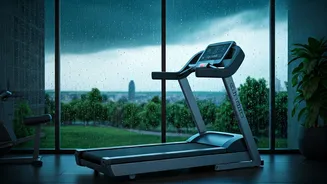
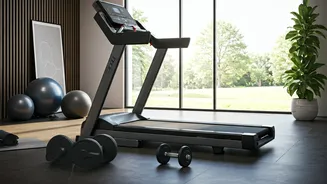
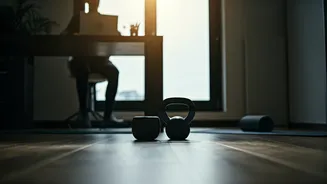
more than a used car. The message, implicit or not, was that real fitness was an expensive, high-tech, and aspirational pursuit. Companies like Peloton and SoulCycle built empires on this idea, selling not just a workout, but a status symbol. The pandemic initially supercharged this trend, as those who could afford it built high-end home gyms to replace their shuttered studios. But the high didn't last. As economic pressures mounted and the world reopened, the shine wore off the expensive equipment gathering dust in the corner. The very things that made these trends feel exclusive—high cost, scheduling demands, and a steep learning curve—became their greatest liabilities.
Enter 'Good Enough' Exercise
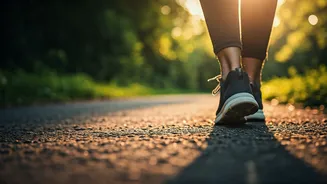
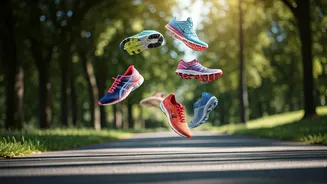
In the shadow of the boutique bust, a quieter, more democratic movement was taking over. The new reigning champion of fitness isn't a complex regimen or a flashy piece of tech. It’s walking. Dubbed the “hot girl walk” on social media, the simple act of putting one foot in front of the other has become a bona fide cultural phenomenon. It’s joined by other low-friction activities: rucking (walking with a weighted backpack), jogging in the park, and simple bodyweight exercises at home. What do these have in common? They are profoundly accessible. The barrier to entry isn't a four-figure price tag; it's a front door. This is the era of “good enough” exercise—movement that prioritizes consistency over intensity, and mental clarity over peak performance. It reframes fitness not as a project to be perfected, but as a simple, repeatable practice for feeling better, right now.
Why Simplicity Is Winning Now
This shift isn’t happening in a vacuum. It’s a direct response to the economic and psychological realities of American life. With inflation squeezing household budgets, a $40-per-class habit or a $35 monthly app subscription feels less justifiable than ever. Free is a powerful motivator. Planet Fitness, with its famously low prices, continues to thrive by catering to this exact sentiment. Beyond money, there’s a collective sense of burnout. Many are tired of optimizing every corner of their lives, including their workouts. The demand for punishing, guilt-driven exercise is being replaced by a desire for sustainable routines that reduce stress rather than add to it. A quiet walk while listening to a podcast offers a mental escape that a grueling, competitive spin class often can't. This is fitness as self-care, not self-punishment.
The Trend That Can’t Be Sold
Perhaps the most disruptive part of this trend is that it’s hard to package and sell. Social media, once a firehose for aspirational fitness products, is now amplifying a movement that requires buying almost nothing. A TikTok video about the mental health benefits of a “silent walk” can get millions of views without promoting a single product. It democratizes the notion of wellness, taking it out of the hands of exclusive brands and putting it back into the hands—and feet—of everyday people. While companies will always try to sell you the perfect walking shoe or the ideal weighted vest for rucking, the core activity remains fundamentally free and open to all. The most powerful fitness trend is the one that can’t be easily monetized, because its value lies in its very simplicity and accessibility.