


The Meaning of 'Slow Travel'
Before it became a hashtag, “slow travel” was a philosophy. It’s the simple, revolutionary idea that a vacation isn’t a checklist to be conquered but an experience to be absorbed. Born from the same movement as “slow food,” it prioritizes connection over
speed, depth over breadth. Instead of rushing between five cities in seven days, the slow traveler might spend that entire week in one place, learning the rhythm of a local market, finding the best coffee on a quiet side street, and forming a genuine connection with their surroundings. It’s not about being lazy; it's about being present. This approach swaps the frantic energy of 'seeing it all' for the quiet satisfaction of truly understanding a small piece of the world, leaving you rested and recharged rather than in need of a vacation from your vacation.
Enter the Hill Homestay
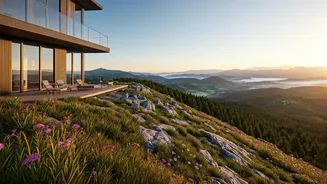
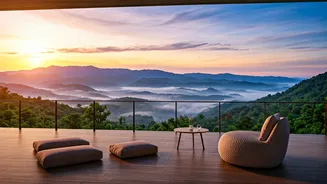
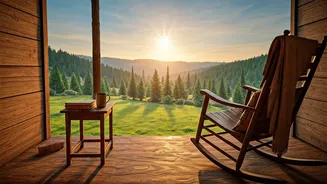
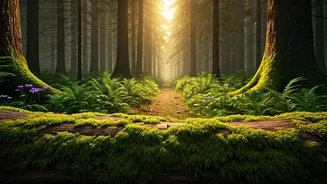
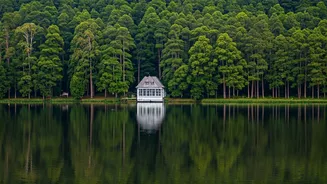
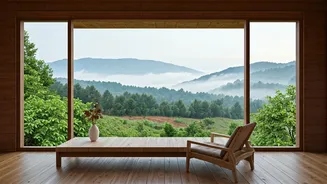
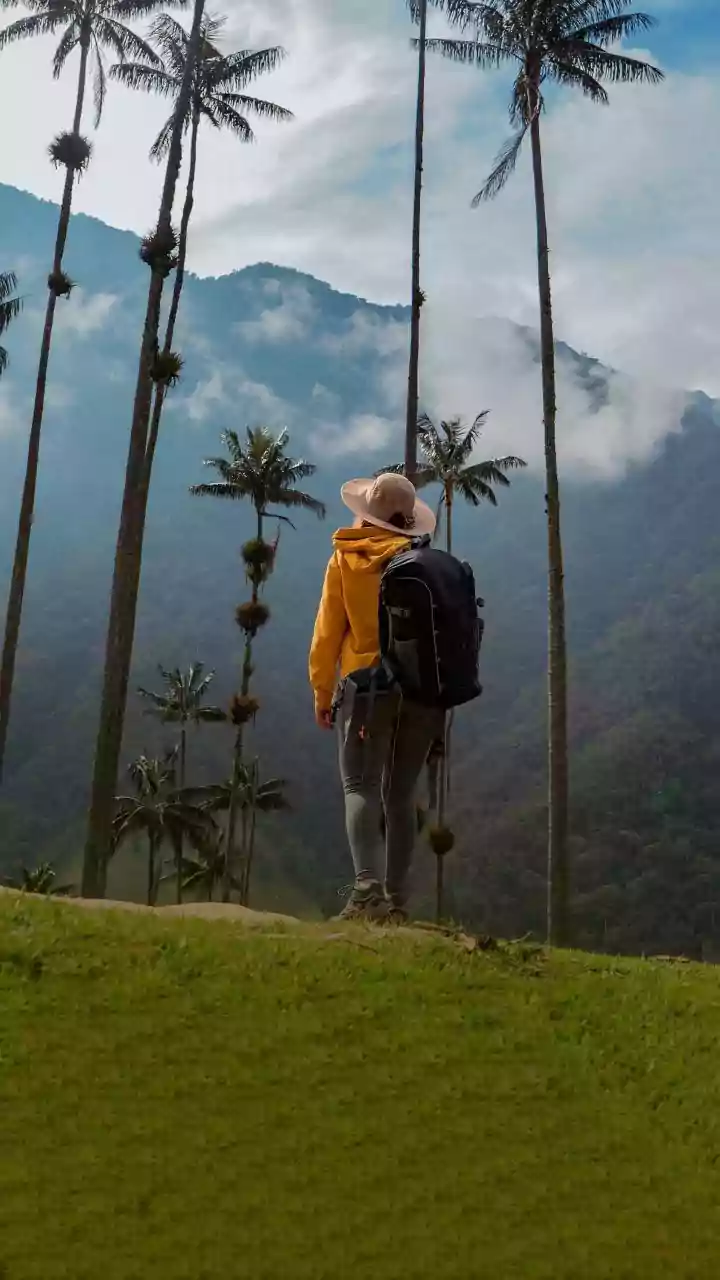
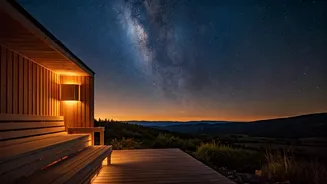
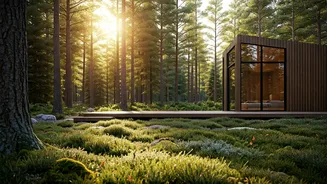
The hill homestay has become the perfect embodiment of this movement. These are not grand hotels with concierge services and packed event calendars. They are often secluded cabins, thoughtfully designed homes, or renovated farmhouses nestled in the mountains and hillsides of places like the Blue Ridge Mountains, the Catskills, or the rolling hills of Central California. Their main amenity is what they lack: noise, crowds, and endless distractions. The appeal lies in the promise of waking up to mist rising in a valley, spending an afternoon reading on a porch with an uninterrupted view, and marking the end of the day by the sun dipping below a peak. These stays are curated for disconnection, encouraging guests to trade screen time for stargazing and Wi-Fi passwords for walking trail maps. They provide the physical and mental space to actually slow down.
A Quiet Rebellion Against Hyper-Tourism
The rise of the hill homestay isn’t happening in a vacuum. It’s a direct response to the pressures of modern travel. For years, the dominant travel culture has been one of optimization and performance. Social media created a landscape of ‘must-see’ spots, often leading to over-tourism, environmental strain, and vacations that feel more like photo shoots than genuine breaks. Travelers stood in line for the perfect Instagram shot, their itineraries dictated by algorithms and influencer posts. The slow travel ethos, championed by the hill homestay, is a quiet rebellion against this. It suggests that the best part of a trip might not be a famous monument, but the unplanned hour spent watching a storm roll in over the mountains. It reclaims vacation as a private, personal act of restoration rather than a public performance of adventure.
More Than Just a Pretty View
While the panoramic vistas are a major draw, the benefits of this travel style run deeper than aesthetics. The intentional lack of activity creates room for other things: mental clarity, creative breakthroughs, and deeper connections with travel partners. With the typical vacation distractions stripped away, conversations flow more easily and shared experiences—like cooking a meal together or tackling a challenging hike—become the main event. Psychologically, the elevation and expansive views can foster a sense of perspective, making everyday worries seem smaller and more manageable. In an era of constant burnout, the hill homestay isn't just offering a place to sleep; it's offering a space to breathe, think, and reconnect with oneself. It reframes the purpose of travel from escapism to intentional restoration.