






Your Scalp Is Just Skin, But Different
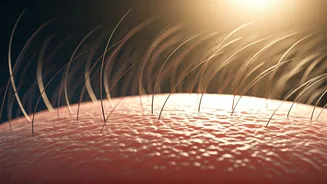
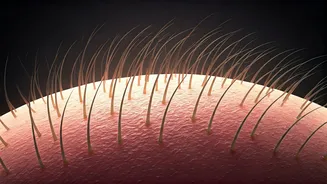
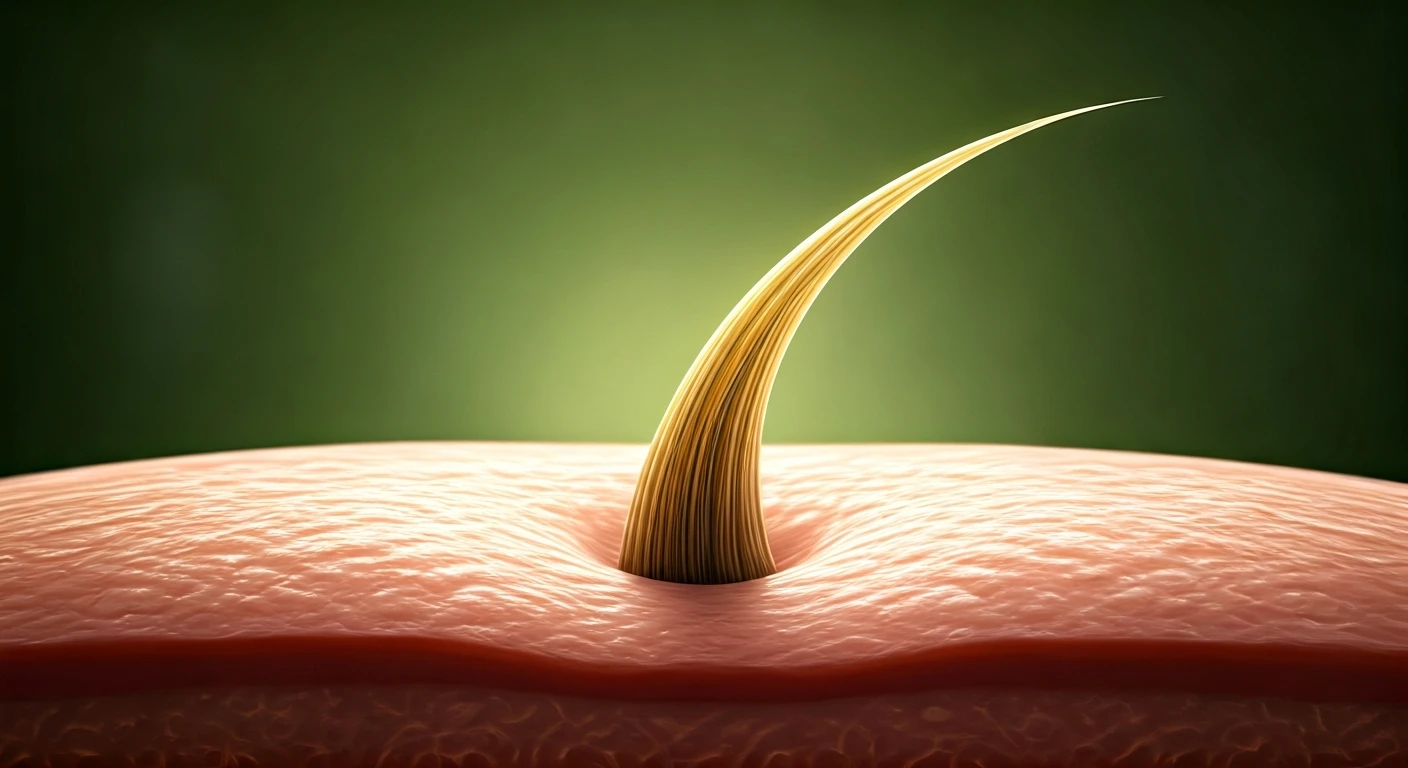
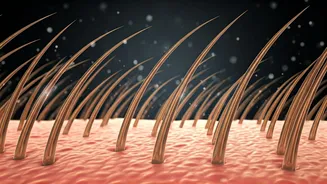
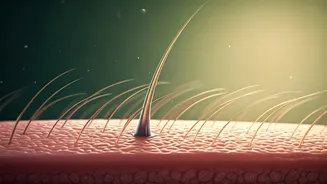
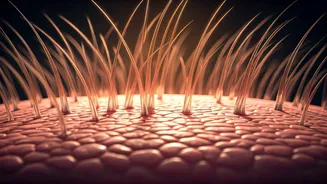
Think about your skincare routine: you cleanse, exfoliate, and moisturize to keep your face clear and healthy. Your scalp is also skin, but it’s working a lot harder. It has more sebaceous glands, which produce oil, and a higher density of hair follicles—around
100,000 of them. Each follicle is a tiny organ responsible for growing a strand of hair. When the environment around that follicle is clogged, inflamed, or out of balance, it can't function optimally. The result? Hair that might look dull, feel greasy, grow slower, or even appear thinner over time. A healthy, balanced scalp provides the best possible starting point for every single strand.
The Common Culprits of Scalp Stress
So what’s getting in the way of a happy scalp? The primary offender is often buildup. This isn't just one thing, but a combination of natural oils (sebum), dead skin cells, and residue from styling products like dry shampoo, hairspray, and gels. This layer of gunk can clog follicles, lead to itchiness, and create a welcoming environment for the yeast that causes dandruff. On the other end of the spectrum is dryness, which can be caused by over-washing with harsh shampoos, hard water, or environmental factors. A dry, tight scalp can feel uncomfortable and produce flakes, which are often mistaken for dandruff. An imbalanced scalp can either overproduce oil to compensate for dryness or simply be naturally oily, leaving hair looking flat and dirty just hours after washing.
Building Your Scalp Care Routine
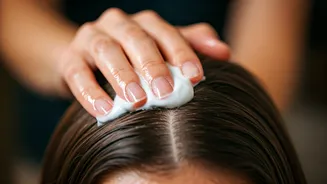
You don't need to add an hour to your shower time. A great scalp care routine integrates seamlessly into what you already do. Think of it in three steps: cleanse, exfoliate, and moisturize. 1. Cleanse Thoroughly: This is more than just slathering on shampoo. When you wash your hair, focus on massaging the shampoo directly onto your scalp with your fingertips (not nails!) for a full 60 seconds. This helps break down oils and buildup. If you’re a heavy product user, consider a clarifying shampoo once a week to give your scalp a deep reset. 2. Exfoliate Weekly: Just like your face, your scalp benefits from exfoliation to slough off dead skin cells and stubborn buildup. Look for products with chemical exfoliants like salicylic acid (great for oily, flaky scalps) or glycolic acid. You can find them in pre-shampoo treatments, scalp scrubs, or serums. This step helps keep follicles clear and receptive to nutrients. 3. Moisturize and Treat: A clean, exfoliated scalp needs hydration, too. If your scalp feels tight and dry after washing, look for lightweight, non-greasy serums or tonics containing hydrating ingredients like hyaluronic acid or aloe vera. For specific concerns, targeted treatments can help. Ingredients like tea tree oil can help with flakiness, while peptides may support healthy hair growth.
Simple Habits for Big Results
Beyond products, a few simple habit changes can make a world of difference. First, turn down the temperature. Super hot water can strip your scalp of its natural, protective oils, leading to dryness and irritation. Second, give yourself a scalp massage. Whether you use a dedicated silicone massager in the shower or just your fingertips before bed, massaging the scalp can help boost circulation, which delivers more oxygen and nutrients to your hair follicles. Finally, make sure you're rinsing thoroughly. Lingering conditioner on the scalp is a common cause of buildup and can weigh hair down at the root.