


The Allure of Soft Drama
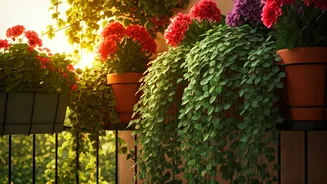
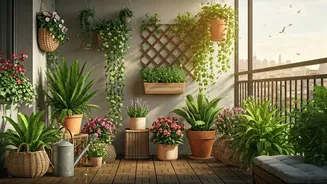
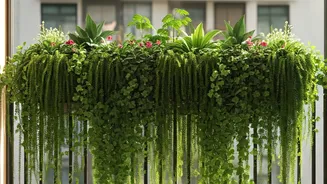
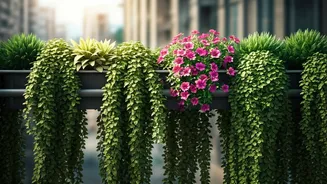
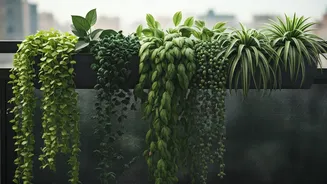
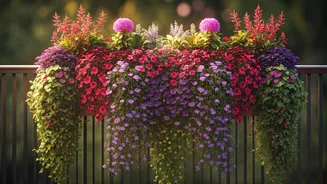
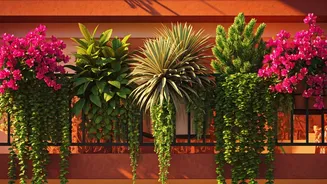
What exactly is “soft drama”? It’s an aesthetic that favors texture, movement, and life over hard lines and minimalism. On a balcony, it means using plants that spill over the edges of their containers, creating a living waterfall of foliage. This effect
softens the harsh geometry of buildings, railings, and concrete floors, turning a sterile space into a private, verdant escape. Unlike a neat row of potted geraniums, trailing plants introduce a sense of wild, organic beauty that feels both intentional and effortless. They blur the lines between your indoor and outdoor living areas, making your home feel larger and more connected to nature.
Why Go Vertical with Your Greenery?
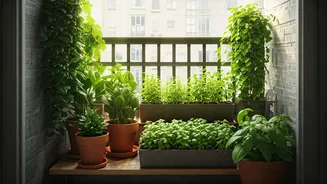
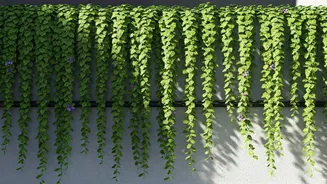
The primary benefit of trailing plants is their space-saving genius. When you can’t build out, you build down. By hanging baskets from an awning or using railing planters, you can cultivate a dense garden without sacrificing precious floor space. This vertical growth also serves a practical purpose: privacy. A well-placed curtain of English ivy or sweet potato vine can create a natural screen from neighbors, turning your balcony into a more secluded retreat. Furthermore, surrounding yourself with greenery has proven wellness benefits, from reducing stress to improving air quality, making your balcony a true haven for well-being.
The Classic: English Ivy
For a timeless, elegant look, nothing beats English Ivy (Hedera helix). Its iconic, deep green leaves provide dense coverage and a classic European feel. Ivy is famously hardy and tolerant of a wide range of conditions, including lower light, making it a great choice for north-facing balconies. It’s a vigorous grower, so it will quickly create the lush, cascading effect you’re after. Just be mindful to keep it contained, as it can be invasive if it escapes its pot and finds its way into the ground. A simple trim now and then will keep it looking tidy and full.
The Workhorse: Golden Pothos
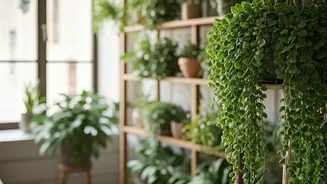
If you’re a beginner gardener or simply want a plant that’s almost impossible to kill, meet the Golden Pothos (Epipremnum aureum). Often grown as a houseplant, it thrives outdoors in containers during warmer months. Its heart-shaped leaves, variegated with splashes of yellow or white, create a bright, cheerful cascade. Pothos is incredibly forgiving; it tolerates inconsistent watering and a variety of light situations (though it prefers bright, indirect light). Its long, vining stems can trail for several feet, making it an ideal candidate for a high-hanging basket.
The Showstopper: Sweet Potato Vine
For instant impact and vibrant color, look no further than Sweet Potato Vine (Ipomoea batatas). While it’s related to the edible sweet potato, this ornamental variety is grown for its stunning foliage. It comes in shades ranging from electric chartreuse green to deep, moody purple. This plant is a rapid grower in full sun, spilling dramatically over the sides of planters and hanging baskets in just a few weeks. It’s perfect for creating a bold, seasonal statement, filling out a container arrangement with texture and intense color all summer long.
The Delicate Jewel: String of Pearls
For a more unique and delicate look, consider String of Pearls (Senecio rowleyanus). This succulent features long, thread-like stems adorned with small, pea-shaped leaves. It looks exactly like its name suggests: a living pearl necklace. It’s a perfect choice for adding a touch of modern, bohemian style. As a succulent, it prefers bright, direct sunlight and well-draining soil, so don't overwater it. It’s ideal for a hot, sunny balcony where other, more delicate plants might struggle. The effect is less about dense coverage and more about subtle, intricate beauty.
Tips for a Thriving Cascade
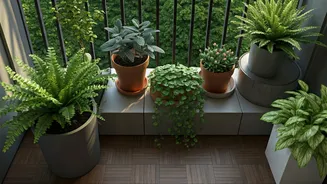
To ensure your trailing plants flourish, a few key practices will help. First, choose the right container. Railing planters, hanging baskets, and tall pots that give plants room to spill are all excellent choices. Ensure any pot has drainage holes to prevent root rot. Second, consider the wind. Balconies, especially on higher floors, can be windy. Secure pots so they can't be knocked over, and consider more robust plants like ivy if your space is particularly exposed. Finally, remember to water and fertilize. Container plants dry out faster than those in the ground, so check the soil regularly, especially on hot days. A balanced liquid fertilizer every few weeks during the growing season will keep your cascading garden lush and healthy.