



The Backlash Against 'Fitspo'
For the better part of a decade, fitness culture was dominated by “fitspo”—a portmanteau of “fitness inspiration” that flooded social media with images of six-pack abs, punishing workout routines, and the pervasive mantra of “no pain, no gain.” The goal
was often singular and visual: achieve a body that looked good in a photo. This created a culture of comparison and, for many, a cycle of shame and burnout. The workouts were extreme, the diets restrictive, and the results, if they came at all, were often unsustainable. The message was clear: your body was a project to be perfected through suffering. But a project that requires constant, punishing effort is bound to lead to rebellion. People grew tired of feeling like they were failing for not living up to a digitally enhanced, often professionally curated, ideal.
A Pandemic-Fueled Pivot
The global pandemic acted as a powerful catalyst for this shift. With gyms closed and routines upended, millions of Americans were forced to reconsider what fitness meant to them. The communal mirror of the weight room was replaced by a solo walk around the block. The high-intensity spin class gave way to a YouTube yoga session in the living room. This forced reset shifted the focus inward. Stripped of the performative aspect of public gyms, people started moving for different reasons: to manage anxiety, to break up the monotony of lockdown, to feel capable and healthy in a world that suddenly felt very fragile. The goal wasn't to sculpt a specific body part, but to survive the day with one's sanity intact. This period taught a powerful lesson: movement could be a tool for mental and emotional well-being, not just physical transformation.
Defining the 'Real' Goal
So, what do these “real” goals look like? They are deeply personal, functional, and often have nothing to do with a scale or a measuring tape. For a new parent, the goal might be having the energy to play with their toddler on the floor. For an office worker, it could be alleviating back pain and improving posture. For an older adult, it’s about maintaining the mobility and strength to live independently, carry groceries, and avoid injury. These goals are rooted in the texture of everyday life. They include things like: getting consistently good sleep, feeling less stressed after a walk, hiking a trail without getting winded, or simply finding a form of movement that brings genuine joy. This new mindset values consistency over intensity and celebrates the feeling of being strong and capable in one’s own body, whatever its shape.
How This Looks on Social Media Now
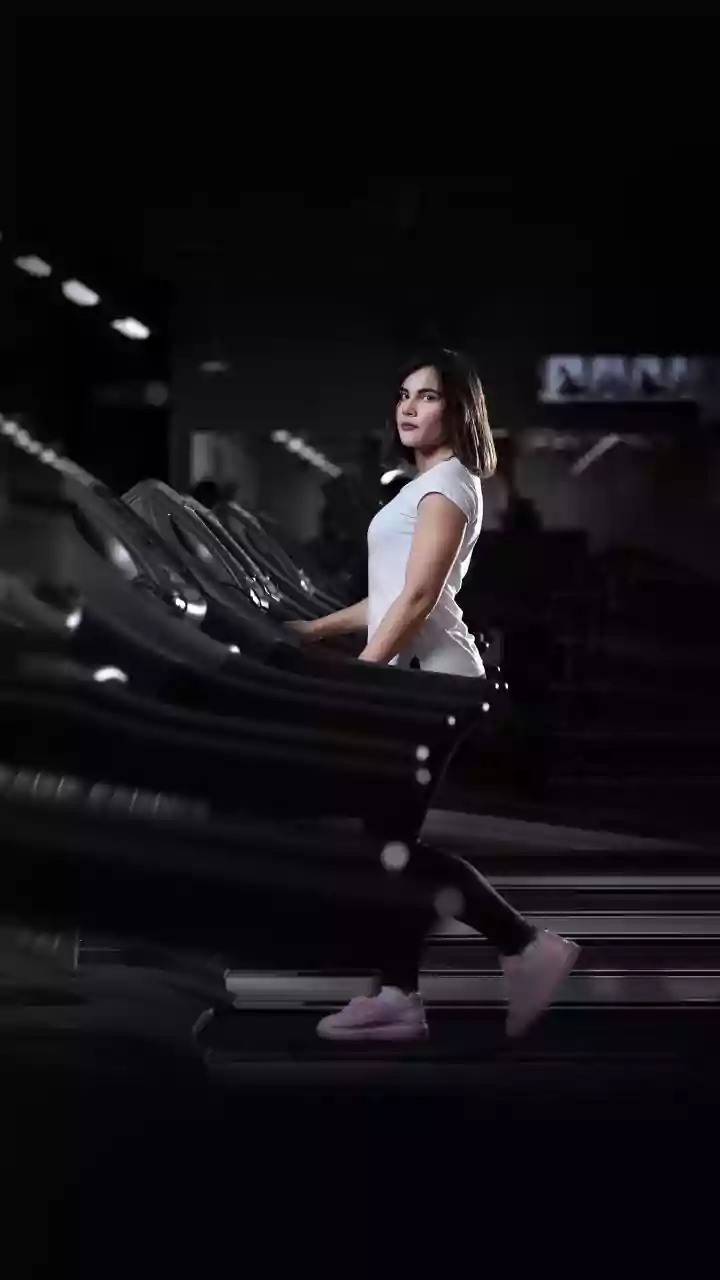
This doesn't mean fitness has disappeared from social media; it has just evolved. The algorithm now surfaces concepts like “cozy cardio,” where people walk on a treadmill at a comfortable pace while watching a movie. You’ll see influencers celebrating “softness” and rejecting diet culture. Trainers are building platforms around intuitive movement, functional strength, and mental health benefits. Instead of “before and after” photos focused on weight loss, you’re more likely to see videos celebrating a new personal record in lifting, the completion of a 5k, or simply the consistency of showing up. The new viral trend, paradoxically, is the rejection of viral trends in favor of something more authentic and lasting. The performance is no longer about looking a certain way, but about feeling a certain way—and sharing that journey in a more honest, less punishing light.