




The Dawn of the ‘Slow Workation’
The pandemic-era concept of a “workation”—cramming a bit of work into a vacation or vice versa—is already evolving. Enter the “slow workation,” a more deliberate and immersive evolution. This isn’t about frantically checking emails between sightseeing
tours. It’s about relocating your entire work life for weeks or even months to a place that prioritizes well-being, tranquility, and a deeper connection to the surroundings. The goal is not to escape work but to integrate it into a healthier, more inspiring daily rhythm. Instead of a week-long dash, think of a month-long residency where the boundary between life and work softens, supported by mountain air and a reliable Wi-Fi signal.
Why the Himalayas?
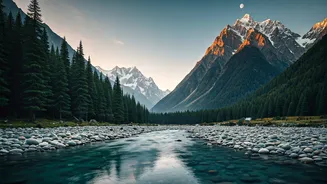
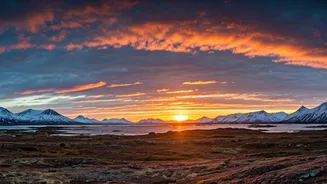
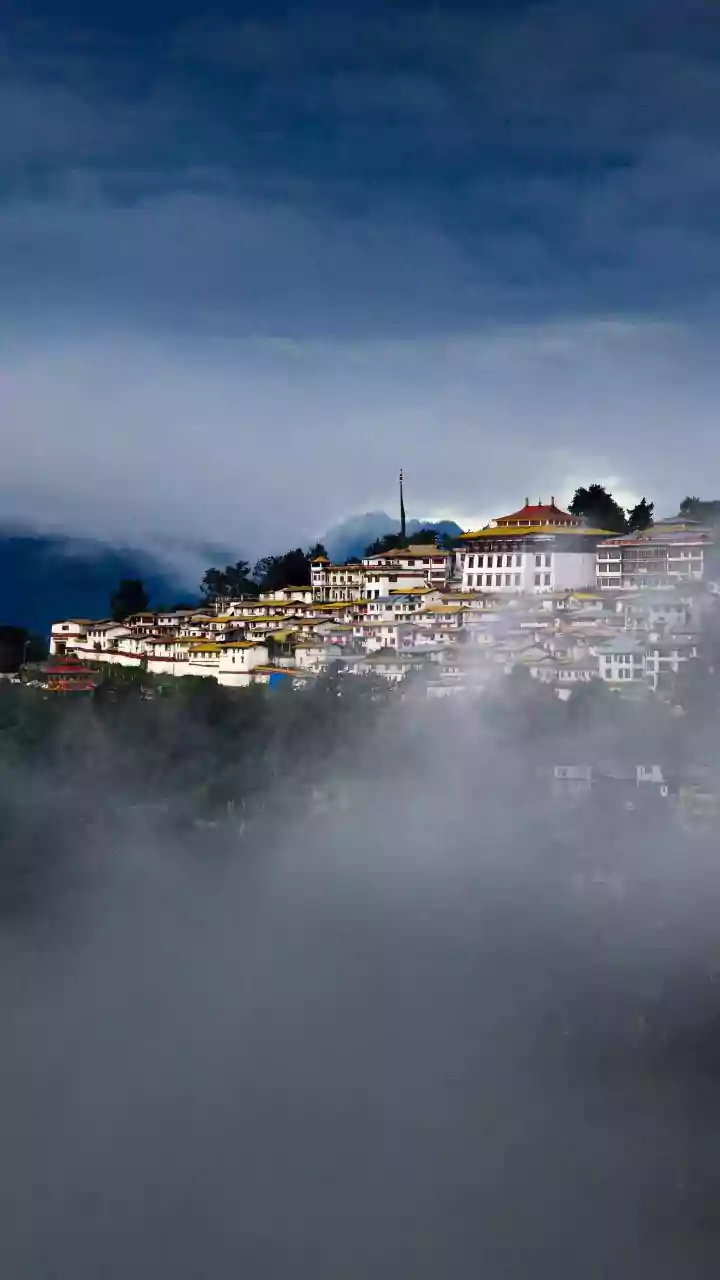
For this trend, the Indian state of Himachal Pradesh has become ground zero. Nestled in the Western Himalayas, this region has long been a refuge from the sweltering heat and chaos of India’s megacities. Its colonial-era hill stations, like Shimla and Manali, are surrounded by pine forests, snow-capped peaks, and crisp mountain air. For Americans, think of it as a blend of the Rocky Mountains' grandeur and New England’s quaint town charm, but infused with the vibrant culture of India. The appeal is obvious: it’s a dramatic escape from the monotony of the home office. The landscape itself—majestic, serene, and immense—offers a powerful psychological antidote to the digital fatigue and confinement that has defined the remote work experience for many.
Not Your Grandfather’s Log Cabin
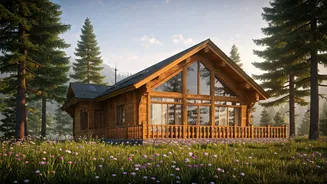
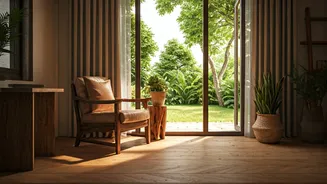
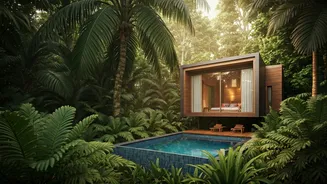
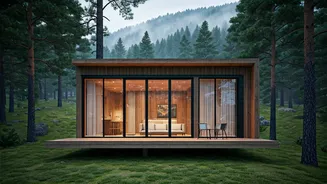
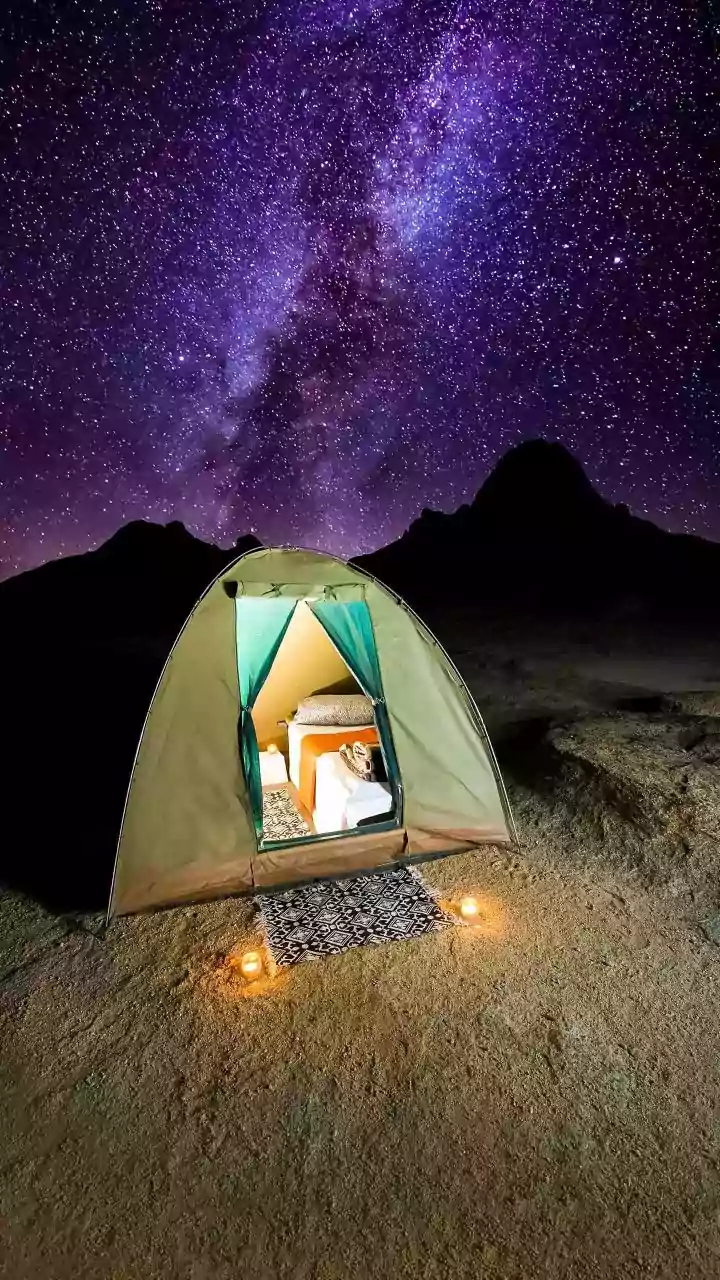
Central to this phenomenon is the rise of a specific type of accommodation: the luxury wooden cottage. These are not rustic, off-grid shacks. They are thoughtfully designed, fully furnished homes built to cater to the discerning remote worker. Picture a Scandinavian-inspired cabin made of local deodar cedar, featuring floor-to-ceiling windows that frame a breathtaking valley view. Inside, you’ll find high-speed internet, a fully equipped kitchen, a dedicated workspace, and cozy-chic interiors with fireplaces and private balconies. These properties offer the perfect trifecta: the seclusion of a private home, the amenities of a boutique hotel, and the soul-stirring beauty of nature. They are purpose-built for productivity and peace, allowing guests to seamlessly transition from a client call to a mountain trail.
A New Kind of Professional Retreat
This trend is being driven by a class of professionals—primarily from the tech, creative, and startup sectors in Indian hubs like Bangalore and Delhi—who have the flexibility and income to make it happen. Much like U.S. workers who fled coastal cities for states like Montana, Idaho, or Vermont during the pandemic, these individuals are seeking a higher quality of life. They are trading city smog for mountain mist and traffic jams for quiet forest walks. The extended stays are fostering a new sense of community, with local cafes becoming de facto co-working spaces and weekend trekking groups forming among visitors. This provides a social outlet that combats the isolation often associated with remote work.
A Sustainable Model or a Fleeting Trend?
The boom in workation bookings has been a significant economic driver for local communities in Himachal, creating jobs and supporting small businesses, from local grocers to tour guides. However, this rapid growth is not without its challenges. The surge in demand is putting pressure on local infrastructure, from water supply to waste management, and raising concerns about sustainability and the environmental impact on this fragile ecosystem. For now, property owners and local authorities are navigating this new reality. The success of the Himachali “slow workation” model serves as a compelling case study for other scenic regions around the world looking to attract the new, mobile global workforce. It proves that for many, the future of work isn't just about being remote—it's about being remote in a place that truly nourishes the soul.